
Asparaginase erwinia chrysanthemi (recombinant)-rywn) (Rylaze; Jazz Pharmaceuticals) provides a new alternative for a therapy in long-standing global shortage.
Asparaginase erwinia chrysanthemi (recombinant)-rywn) (Rylaze; Jazz Pharmaceuticals) provides a new alternative for a therapy in long-standing global shortage.

Study to evaluate the safety and efficacy of talazoparib, an oral PARP inhibitor, in combination with enzalutamide, an androgen receptor inhibitor.

Kirollos Hanna, PharmD, BCPS, BCOP, assistant professor of pharmacy at the Mayo Clinic College of Medicine and the oncology pharmacy manager at M Health Fairview - Maple Grove, discusses the potential impact of ACCC's Multiple Myeloma Dispensing Project on the field.
Researchers found an overall response rate of 29.8% in patients treated with 177Lu-PSMA-617, compared to a 1.7% partial response in the standard of care only arm.

The investigators found that population-based cancer registries showed a 10.2% decline in real-time electronic pathology reports in 2020 compared to 2019.

Umbralisib was granted accelerated approval by the FDA for the treatment of select patients with relapsed/refractory marginal zone lymphoma and relapsed/refractory follicular lymphoma.

Treatments to stimulate the release of eggs increase estrogen hormone production and can act on breast cells, which has created concern that this could turn the cells cancerous.

The use of high throughput technologies has revolutionized the understanding of the cancer genome.

Orelabrutinib is a highly selective Bruton's tyrosine kinase inhibitor designed to target B-cell lymphomas and autoimmune indications.

Trilaciclib (Cosela) is indicated to reduce the frequency of chemotherapy-induced bone marrow suppression in adults receiving certain types of chemotherapy for extensive-stage small cell lung cancer.

Novel treatments and recent data about new drugs were presented at the first conference of Advanced Topics for Oncology Pharmacy Professionals (ATOPP).

The small-molecule inhibitors of the SOX 11 oncogene showed promise both as single agents and in combination with ibrutinib.
Azacitidine (Onureg) was approved by the FDA in September 2020 as a maintenance therapy for acute myeloid leukemia.

Ribociclib was found to prolong overall survival and improve post-progression outcomes in patients with HR-positive/HER2−negative advanced breast cancer, particularly among younger patients with a significant unmet need.

Results from the LOTIS-2 and LOTIS-3 trials show durable responses and a manageable toxicity profile among patients with both diffuse large B-cell lymphoma and mantle cell lymphoma treated with loncastuximab tesirine-lpyl (Zynlonta).

Further, the ISCs reside in a series of regularly folded valleys of the gut, which the researchers call crypts.

According to the authors of the KEYNOTE-826 trial results, this is the first anti-programmed death receptor-1 (PD-1)/PD-L1 therapy to demonstrate improvements in OS and PFS that were clinically meaningful and statistically significant regardless of PD-L1 status.
Primary results from the randomized portion of the INVICTUS study had previously shown that ripretinib was able to significantly improve progression-free survival with a clinically meaningful overall survival benefit in patients with advanced gastrointestinal stromal tumor.

In the ZUMA-5 cohort, 94% of patients achieved a response compared to 50% of patients in the control cohort with an odds ratio of 16.2.

Coordinating complex care plans can involve many care team members and even different pharmacists in both health system and retail environments.
According to the study, lineage plasticity—the shift in castration-resistant prostate cancers from resembling glandular cells to neuroendocrine cells—may potentially be overcome through the use of bromodomain and extra-terminal (BET) protein inhibitors.

The trial, in phase 3, is the first to report data comparing a neoadjuvant anti-HER2 based regimen with or without the anti-PD-L1 antibody, atezolimumab, in patients with high-risk, HER2-positive early breast cancer.
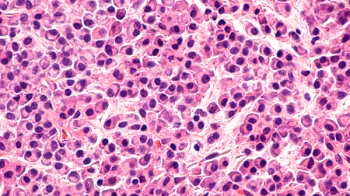
Pharmacists can educate patients about a pair of new treatment options for multiple myeloma approved by the FDA in March 2021.

These financial challenges can include difficulty paying medical bills or the inability to pay them at all, high financial distress, cost-related medication non-adherence, food insecurity, and delayed or foregone care due to cost.

Earlier this year, the FDA granted accelerated approval to tepotinib (Tepmetko, EMD Serono Inc) for the treatment of adults with metastatic non-small cell lung cancer who are harboring MET exon 14 skipping alterations.

Prior to this research, it was known that genetically removing the POLQ protein killed cells with BRCA gene defects, but no drug had been identified that prevented POLQ from functioning.
Positive topline results have been published from a phase 3 trial assessing the CD-19 directed CAR T cell therapy lisocabtagene maraleucel as a second-line treatment in adults with relapsed or refractory LBCL.
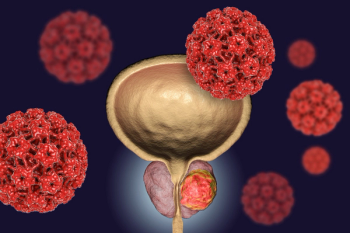
Researchers found that men with a family history of prostate cancer reached the screening risk threshold up to 12 years earlier than the general population.


Phase 2 clinical trial results assessing sotorasib in previously treated patients with NSCLC showed that the drug presented a median OS of 12.5 months among 124 patients.