
This abstract will be presented at the Oncology Pharmacists Connect (OPC) meeting in Austin, Texas, from June 19 to 20, 2025.
This abstract will be presented at the Oncology Pharmacists Connect (OPC) meeting in Austin, Texas, from June 19 to 20, 2025.
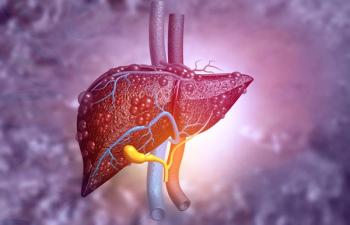
New research reveals a significant link between type 2 diabetes, obesity, and fatty liver disease.
The FDA approves garadacimab-gxii, a treatment for hereditary angioedema (HAE), offering convenient monthly self-injections for patients 12 years and older.
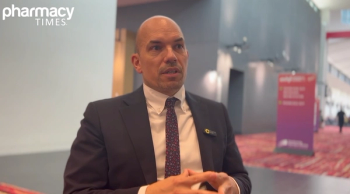
From protecting the 340B Drug Pricing Program to expanding payment pathways through state-level reforms and Medicare Advantage opportunities, Kraus emphasized the critical role pharmacists play in evolving care models.

Clostridioides difficile (C difficile) represents a serious public health threat, with pharmacists and advocacy organizations playing critical roles in prevention, education, and management.

Peer Reviewed
This single-center, descriptive, retrospective chart review identified barriers to outpatient chemotherapy use, revealing avoidable inpatient stays and highlighting targets for stewardship interventions.
Host Craig Beavers chats with Shannon Finks, PharmD, FCCP, BCPS, BCCP, AHSCP-CHC, president and director of pharmacy services at ZupMed in Memphis, Tennessee.

This abstract will be presented at the Oncology Pharmacists Connect (OPC) meeting in Austin, Texas, from June 19 to 20, 2025.

Talquetamab and teclistamab showed significant promise in a phase 1b/2 dose escalation and expansion trial.

Nemolizumab shows promising long-term efficacy in reducing itch and skin lesions for atopic dermatitis, enhancing quality of life for patients.

Moderna's mRNA-1345 vaccine gains FDA approval, enhancing protection against RSV for high-risk adults aged 18 to 59 years, following earlier approvals for older populations.

Ribociclib plus endocrine therapy shows improved survival in HR+, HER2- breast cancer, but its cost-effectiveness raises concerns in the US market.

In 3 phase 3 clinical trials, enlicitide decanoate demonstrated clinically significant reductions in low-density lipoprotein cholesterol (LDL-C) in patients with hyperlipidemia and familial hypercholesterolemia.
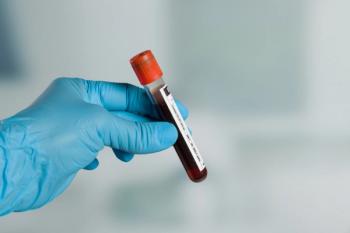
The investigational blood test achieved 99% sensitivity and specificity.

The data from the 5-year analysis of arm C validate and support the efficacy and safety of zanubrutinib for treatment-naive patients with CLL/SLL harboring del(17p).

Pharmacists are redefining health care by bridging clinical and economic evidence, making a real difference in patient outcomes through health economics and outcomes research (HEOR).
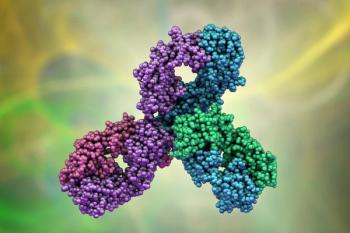
Pembrolizumab gains FDA approval as a groundbreaking neoadjuvant treatment for resectable locally advanced head and neck squamous cell carcinoma, enhancing patient outcomes.

Mitomycin intravesical solution is the first FDA-approved treatment for low-grade intermediate-risk non–muscle-invasive bladder cancer.
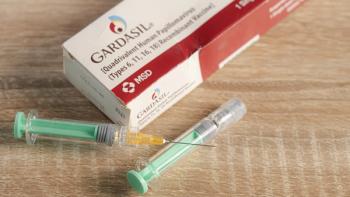
Significant challenges persist, particularly in low- and middle-income countries.

Pharmacists play a critical role in managing complex pericarditis cases.

The expansion marks glecaprevir/pibrentasvir as the first and only indicated direct-acting antiviral approved for acute hepatitis C virus (HCV) infection.

A multidisciplinary, technology-enhanced approach supported by executive leadership is essential for effective drug diversion surveillance and regulatory compliance in health systems.


Meloxicam injection gains FDA approval for effective management of moderate-to-severe pain, offering a nonopioid alternative in pain control strategies.


Nivolumab plus relatlimab does not significantly improve recurrence-free survival in patients with stage 3, 4 melanoma.
As policy developments unfold rapidly at both the state and federal levels, Tom Kraus highlights the expanding scope of pharmacist practice through a wave of state-level legislation as a key opportunity.

Nivolumab (Opdivo) and chemotherapy demonstrated an overall survival benefit at 5 years, affirming its role as a standard of care option.

A new study reveals the combination therapy enhances safety and efficacy for high-risk BRAF-mutated stage II melanoma.