
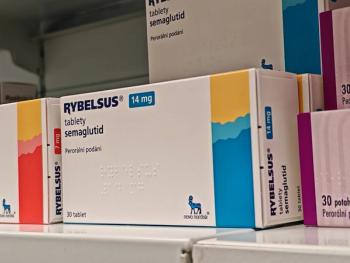
The FDA approved oral semaglutide to reduce the risk of major adverse cardiovascular events (MACE) in patients with type 2 diabetes (T2D).
The FDA approved oral semaglutide to reduce the risk of major adverse cardiovascular events (MACE) in patients with type 2 diabetes (T2D).


Preeclampsia significantly raises the risk of chronic kidney disease (CKD) later in life, highlighting the need for targeted postpartum monitoring for affected women.

Teclistamab-cqyv shows promising results in treating refractory multiple myeloma, significantly improving survival rates and offering new hope for patients.

Ben Long, MD; and Weston Blakeslee, PhD, discuss how personalized text reminders significantly improve prescription adherence in patients with heart failure and the critical role pharmacists play in reinforcing engagement.

In October 2025, the FDA approved an updated label update for capecitabine mandating DPYD genetic testing before initiating treatment, unless urgent.
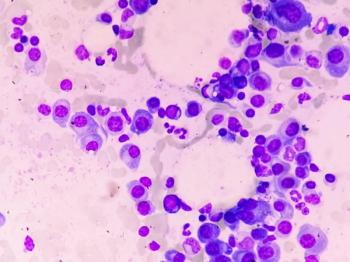
New research uncovers why multiple myeloma affects men more than women, highlighting sex-based differences in disease presentation and risk factors.
The treatment was granted a Prescription Drug User Fee Act target action date of May 10, 2026.

Start 2026 with clear goals, smart planning, and intentional action.

The findings reemphasize a need for mental health support for those in the pharmacy profession.

Explore the potential of GLP-1 agonists in Alzheimer's treatment, their current limitations, and future research directions in neurology.

Recently released guidelines enhance chronic kidney disease management, emphasizing early detection and innovative treatments for better patient outcomes.

Long-term type 2 diabetes significantly increases cardiovascular disease risk, revealing potential biomarkers for early intervention and prevention strategies.

A new dual-antibody therapy shows promise in treating extramedullary multiple myeloma, offering hope for patients with limited options.

Bepirovirsen shows promise as a groundbreaking treatment for chronic hepatitis B, achieving significant functional cure rates in recent phase 3 trials.

Discover how the new PREVENT equations enhance cardiovascular risk assessments, improving patient screenings and prevention strategies for diverse populations.

A recent study shows thyroid surgery can be safely performed on patients post–COVID-19 infection with careful screening, ensuring patient safety and positive outcomes.

Psychiatric pharmacists enhance substance use disorder (SUD) care through interdisciplinary collaboration, advocating for policy changes to improve patient outcomes and access to treatment.

Psychiatric pharmacists enhance opioid use disorder treatment through innovative protocols, collaboration, and education.

Psychiatric pharmacists enhance substance use disorder (SUD) care by managing medications and treatment strategies.

Oncology advances in 2025 highlight transformative therapies and the vital role of pharmacists in enhancing patient care and treatment outcomes.

A severe yet often overlooked coinfection with hepatitis B, hepatitis D progresses rapidly—but new therapies are beginning to reshape a long-limited treatment landscape.

Researchers develop a novel therapy combining molecular glues and KRAS inhibitors, showing promise in treating KRAS-mutant non–small cell lung cancer.

Pharmacists optimize dopaminergic therapy, mitigate medication-induced psychosis, and guide antipsychotic selection to improve outcomes in Parkinson disease psychosis.

Research reveals that adults who were hospitalized with RSV experience significant long-term health issues, impacting quality of life and physical function.

Effective SCD pain management requires an integrated, multimodal strategy across outpatient and inpatient settings.

The FDA approved mitapivat, the first oral therapy for thalassemia due to anemia, offering hope for patients with transfusion-dependent and non–transfusion-dependent forms.

UCSF pharmacists unveil an AI tool, Foghorn, enhancing investigational drug trials by streamlining processes and minimizing delays in drug development.

Narsoplimab gains FDA approval for treating transplant-associated thrombotic microangiopathy, showing promising survival rates in high-risk patients.