

Findings highlight the unmet medical need for outpatient interventions and preventive measures that can reduce hospitalizations.
Findings highlight the unmet medical need for outpatient interventions and preventive measures that can reduce hospitalizations.

Recent studies suggest limited benefit post-myocardial infarction for patients with preserved heart function, prompting potential updates to treatment guidelines and reconsideration of long-term use.

The disappearance could impact updates for surveillance strategies and vaccine development.

Data show that a child’s insurance status is independently associated with mortality after hematopoietic cell transplantation.

Intravenous immunoglobulin (IVIG) has proven efficacy in autoimmune neuropathies, with mixed but promising outcomes in severe COVID-19 cases and post-acute sequelae of SARS-CoV-2 infection trials.

Children with obesity, asthma, and gastrointestinal disease had longer durations of stays compared with children without comorbidities.

Familial chylomicronemia syndrome (FCS) currently has no FDA-approved treatment and is associated with an increased risk of acute pancreatitis.

If approved, RAG-21 can offer improved outcomes in patients with amyotrophic lateral sclerosis (ALS), particularly those with aggressive subtypes.
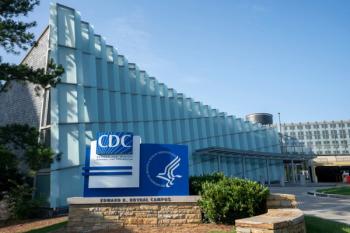
The agency outlines key elements for building effective hospital sepsis programs.

As a rare and serious pediatric disorder, Stargardt disease can cause vision complications in patients.

Rusfertide may sustain hematocrit levels in patients with polycythemia vera.

The risk of developing interstitial lung disease after immunotherapy was 6.5 times higher in individuals with high inflammation.

No acute serious bacterial infections were observed in a trial of patients with the debilitating immune disorder, a strong mark of safety and tolerability.

ALE.P02 could provide further treatment options for advanced or metastatic anti–claudin-1+ squamous cancers.

Through an assignment to create a TikTok infomercial, students master new concepts and have positive educational experiences via social media.

Data from the BROADEN and PROGRESS studies were presented at the International Papillomavirus Conference 2024 in Edinburgh, UK, from November 12 to 15.

Severity of a COVID-19 illness could be determined by examining autoantibodies in the nasal cavity, allowing more personalized treatment protocols.

Outpatient models are emerging as feasible alternatives to traditional inpatient care, offering potential benefits such as reduced hospitalization, improved social well-being, and cost savings.

Use of in-room air purifiers with HEPA-14 filters did not result in a significant reduction of acute respiratory infections.

An increase of shingles vaccination was reported among individuals with asthma.

This marks the first and only therapy to receive this designation for Sjögren disease, which currently has no approved treatment.

Clinical trial analysis results studying VAD-44 in patients with hereditary hemorrhagic telangiectasia (HTT) will be presented at the 2024 American Society of Hematology Annual Meeting & Exposition.

Increased global capacity for surveillance could help monitor seasonal influenza to reduce the risk of vaccine mismatch and inform effective interventions.

Pharmacists can bridge gaps through education, inclusive care, and streamlined access.

Lazertinib in combination with amivantamab displays positive outcomes for non–small cell lung cancer compared with standard first line treatment.

The encouraging results suggest this low-cost, scalable strategy should be considered for population-level outreach globally to improve flu vaccination rates.

The disorder presents as severe lung disease, with lung transplantation as the only current therapeutic option for long-term survival.

This quality improvement initiative demonstrates that pharmacies were unable to use performance reports provided by the payer to improve performance scores and decrease direct and indirect remuneration (DIR) fees.

Adaptability, teamwork, and a culture of lifetime learning are required virtues in our rapidly evolving medical landscape.

Twice-yearly dosing could significantly improve adherence rates.