

Danielle Roman, PharmD, BCOP, discusses how the role of the oncology pharmacist has changed in recent years in optimizing early-stage breast cancer treatment with targeted therapies.
Danielle Roman, PharmD, BCOP, discusses how the role of the oncology pharmacist has changed in recent years in optimizing early-stage breast cancer treatment with targeted therapies.

Karen Fancher, PharmD, BCOP, discusses some guiding principles for oncology pharmacists when facing ethical dilemmas and provides some recommendations for navigating those challenges.

Investigators found that older adults, adults with dementia, and adults with altered mental status were more likely to be inappropriately diagnosed with CAP when hospitalized.

Pharmacists should be well educated on prescription digital therapeutics to better educate patients on software in comparison to traditional pharmacological products.

Challenges in treating insomnia in special groups and resistant cases, and ways for pharmacists to improve outcomes.

In March 2024, the label for bempedoic acid was expanded to reduce cardiovascular risk and expand the low-density lipoprotein-C (LDL-C) lowering in both primary and secondary prevention patients.

Potential for integration into care and future advancements for gaps in current schizophrenia treatments

Current evidence and data regarding clozapine-resistant schizophrenia is unclear, but new treatment options are on the horizon that could show promise.

Guidance on evaluating contraceptive options for patients with psychiatric conditions

The finding did not reach statistical significance in the primary composite endpoint.

New approaches for treating all schizophrenia symptoms by modulating dopamine and glutamate in non-traditional ways.

Investigators reported a low incidence of adverse events after simultaneous vaccination against seasonal influenza and respiratory syncytial virus.

Expert perspective on current research, treatment approaches, and clinical considerations for pharmacologic management of borderline personality disorder

Developments in glycine transporter type 1 inhibitors, D-amino acid oxidase inhibitors, and phosphodiesterase inhibitors are pushing schizophrenia research forward.

The results further confirm earlier findings from the EMPA-KIDNEY trial.

Although the number of clinical trials has quadrupled, the number of FDA approvals remains stable over a 10-year period, highlighting workforce challenges in clinical research.

This is the fifth indication for fam-trastuzumab deruxtecan-nxki (Enhertu; Daiichi Sankyo and AstraZeneca) approved by the FDA.

There are unique complexities when implementing bispecific antibodies, including site of care considerations, monitoring, and management of adverse events.
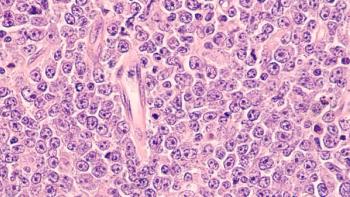
These FDA-approved therapies are used to treat lymphoma after 2 or more lines of therapy and represent significant advancements in the treatment of lymphoma.
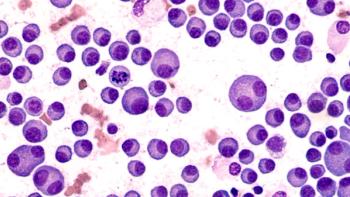
FDA-approved BiTE therapies for relapsed/refractory multiple myeloma show promising response rates, offering off-the-shelf alternatives to CAR T therapy.

The Librexia program includes 3 concurrent clinical trials, investigating milvexian’s use for ischemic stroke, acute coronary syndrome, and atrial fibrillation

Precision medicine revolutionized NSCLC treatment, targeting specific mutations like KRAS G12C with therapies such as adagrasib to improve patient outcomes.

MDMA-assisted therapy and psilocybin currently lead the way with potential approvals by the FDA.

New indications include Staphylococcus aureus bloodstream (SAB) infections, acute bacterial skin and skin structure infections, and community-acquired bacterial pneumonia.

The results indicate the need for targeted policies so that biosimilar competition can increase cost savings and affordability for patients with commercial insurance.

This medication is associated with a number of adverse effects, such as gastrointestinal upset and peripheral neuropathies, that may be mitigated by less frequent dosing.
The decision follows phase 3 trial results that demonstrated improved progression-free survival and confirmed the safety of Dato-DXd in patients with breast cancer.

By implementing easier systems of education for patients, the consequences of polypharmacy could potentially decrease.

Positive phase 3 trial results showed that danicopan was more effective than placebo when treating extravascular hemolysis in paroxysmal nocturnal hemoglobinuria.

Scientists hypothesize that fecal microbiota transplant restores the recipient’s gut microbiota to an environment that mimics the healthy donor’s microbiota