
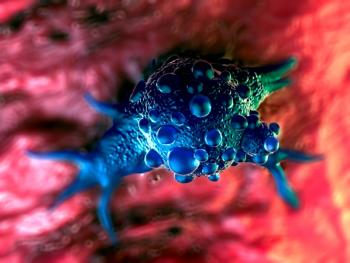
A study reveals sasanlimab enhances event-free survival in high-risk bladder cancer patients, offering new hope against disease recurrence.
A study reveals sasanlimab enhances event-free survival in high-risk bladder cancer patients, offering new hope against disease recurrence.
Pharmacists should continue to emphasize the vaccine’s effectiveness in preventing cancer and be prepared to address patient safety concerns.
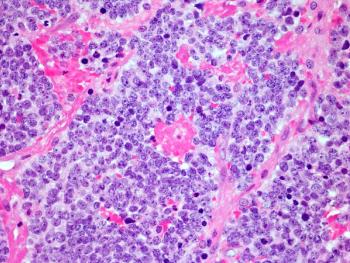
Naxitamab-gqgk has been added as a Category 2A recommendation in the updated National Comprehensive Cancer Network (NCCN) guidelines for high-risk neuroblastoma, reflecting growing consensus on its role in treating relapsed or refractory disease.
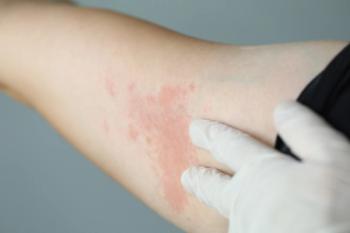
Cynthia Ryan, PharmD, BCPS, discusses practical, evidence-based strategies for pharmacists to identify, prevent, and manage dermatologic toxicities associated with cancer therapies, emphasizing interdisciplinary collaboration, patient education, and proactive supportive care to improve adherence and outcomes.

Implementation of a guidance document for periprocedural antibiotic prophylaxis resulted in improved appropriateness of antibiotic dose, selection, and duration for interventional radiology procedures.
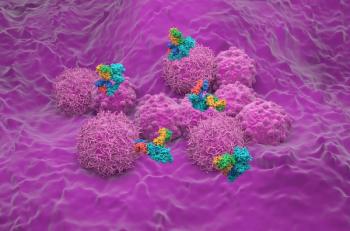
New data reveals that combining pertuzumab with trastuzumab significantly improves survival rates in HER2+ breast cancer patients, reducing death risk by 17%.

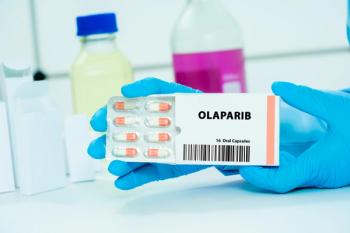
Combining olaparib with neoadjuvant chemotherapy enhances survival rates for early-stage gBRCAm triple-negative breast cancer, offering new hope for patients.

Ibrutinib offers comparable survival outcomes for high-risk chronic lymphocytic leukemia patients, challenging traditional prognostic markers in real-world settings.

Cure Rare Disease's CRD-002 receives FDA orphan drug designation, advancing hope for SCA3 treatment with innovative oligonucleotide therapy.
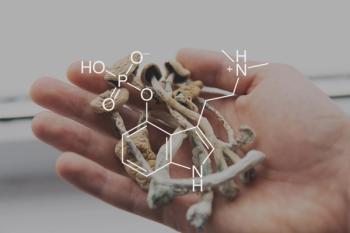
With Oregon, Colorado, and New Mexico legalizing psilocybin-assisted therapy, opportunities for treatment are expanding.

The approved injection contains dihydroergotamine (DHE), which is the same medication used in hospitals, in a ready-to-use device.
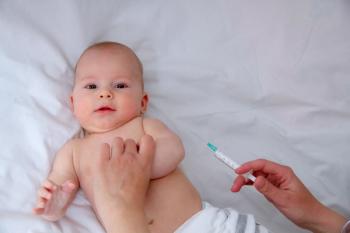
Explore the latest advancements in RSV vaccination strategies for newborns, focusing on maternal immunization and post-birth protection options.

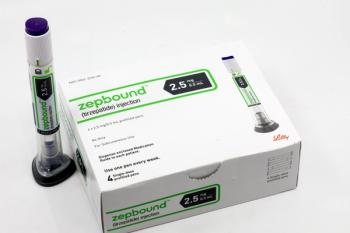
Tirzepatide outperforms semaglutide in weight loss, achieving an average reduction of 20.2% in a pivotal trial for obesity management.

The data are from the phase 2 iMMagine-1 study.
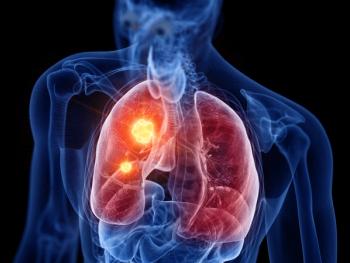
Emrelis is a groundbreaking treatment for advanced non-small cell lung cancer, targeting high c-Met protein overexpression.

The executive order gives pharmaceutical companies 30 days to voluntarily lower prices.

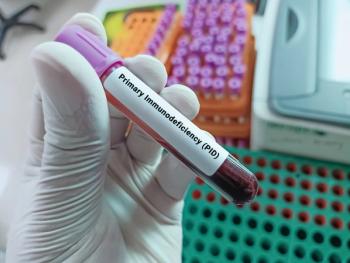
Despite being an effective treatment option, intravenous immunoglobulin (IVIG) can cause transient adverse events in pediatrics with primary immunodeficiency, including headache and fever.

Artificial intelligence (AI) can transform rare disease research by leveraging patient data, enhancing evidence generation, and improving communication between patients and health care professionals.
Explore the latest insights on emerging antibody drug conjugates for HER2 breast cancer and real-world management strategies.

During a panel discussion, 3 experts highlighted ways health care professionals and researchers can help provide patient-centered care.
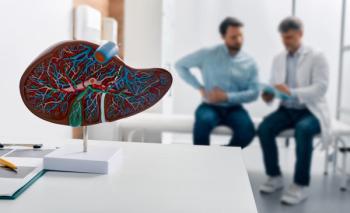
A pharmacist champion enhances access to resmetirom for treating MASH, demonstrating the importance of coordinated specialty care in medication approval.

Emma Murter, PharmD, MPH, and Madison N. Irwin, PharmD, BCPS, discuss the potential role of low-dose naltrexone in managing chronic pain in palliative care, highlighting its anti-inflammatory properties, limited adverse effects, and current evidence gaps—particularly in comparison to traditional opioids and adjuvant analgesics.

In approximately 84% of cases, the mask was able to detect if patients had chronic kidney disease (CKD).

Lacy La Fever, PharmD, MS, discussed outcomes associated with different carboplatin AUC dosing strategies.
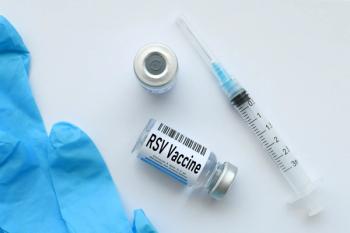
A recent study highlights the promising immune response and safety of the Arexvy vaccine in lung transplant recipients, crucial for preventing RSV infections.

Student pharmacists can work toward a better future for patients, themselves, and the profession.