

VGT-1849A could reduce JAK2 activity, lessening the disease burden faced by individuals with PV while providing a favorable safety profile.

Kennedy Ferruggia is an associate editor at Pharmacy Times®. She graduated from The College of New Jersey in 2023 in journalism and marketing. Prior to this position, she worked as a pharmacy associate for community pharmacies.
VGT-1849A could reduce JAK2 activity, lessening the disease burden faced by individuals with PV while providing a favorable safety profile.

Varicella-zoster vaccination could prevent fatal outcome among individuals with disseminated herpes zoster.

Clesrovimab would be the first and only single dose immunization indicated for infants regardless of weight, aimed to protect against their first RSV season.

The findings suggest that VZV is a common cause of CNS infections, even when there is no visible rash.

Pharmacists and health care providers can recommend healthy foods that are rich in choline and iodine if individuals are not receiving enough in prenatal vitamin supplements.

Ustekinumab-stba (Steqeyma; Celltrion) is a subcutaneous treatment for adult and pediatric patients with plaque psoriasis arthritis, psoriatic arthritis, Crohn disease, and ulcerative colitis.

Obesity is associated with increased distant recurrence and breast cancer mortality in all types of early-stage breast cancer.

Nemolizumab exclusively targets IL-31 receptor alpha, inhibiting the signaling of IL-31, which drives disease mechanism in atopic dermatitis.

AI-powered analysis of mammography images can identify women at high long-term risk of breast cancer, enabling targeted prevention strategies.

Adding anthracyclines to chemotherapy may improve survival in high-risk breast cancer patients.

The novel camizestrant-ribociclib combination demonstrated encouraging data in advanced, pre-treated ER+/HER2- breast cancer.

Breast cancer prevention vaccines could have significant positive societal impact by reducing cancer diagnoses.

The combination of elacestrant and abemaciclib showed promising 8.7-month progression-free survival in ER+, HER2- advanced breast cancer, including in patients with ESR1 mutations.

The assessment of tumor-infiltrating lymphocytes can provide valuable insights to guide personalized treatment decisions for breast cancer patients.

Both risk-reducing mastectomy and salpingo-oophorectomy were associated with significant improvements among young BRCA carriers with breast cancer.

Assessing pre-treatment TIL levels in young breast cancer patients could help predict response to neoadjuvant chemotherapy.

Komal Jhaveri MD, FACP, shares that the combination of imlunestrant plus abemaciclib further improved progression-free survival compared to imlunestrant alone.

Virginia Kaklamani, MD, DSc, shares the role of ESR1 mutation testing and combination strategies to optimize endocrine therapy in patients with metastatic HR+/HER2- breast cancer.

Further research is needed to identify the influence of high-dose vitamin D supplementation among vitamin D–deficient populations.
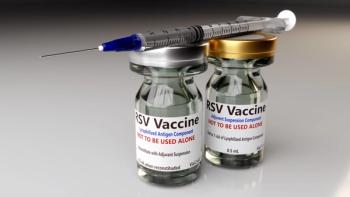
Pharmacists play a key role in vaccination efforts to prevent respiratory illnesses.

Durvalumab could offer further treatment for individuals with muscle-invasive bladder cancer.
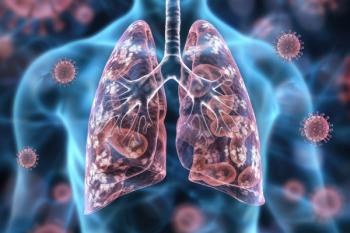
Reduced hospital masking and testing policies increased rates of hospital-onset respiratory infections, including RSV.
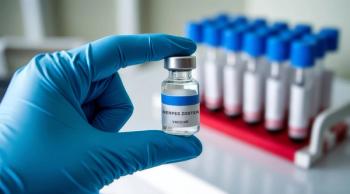
During a 15-year period, 1 in 5 older adults living with COPD received a shingles vaccine.
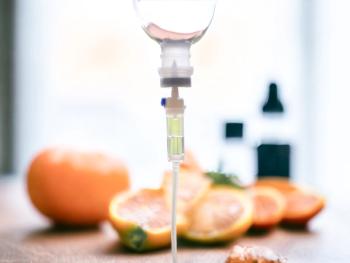
High-dose vitamin C, when combined with chemotherapy, has shown the potential to double the survival rate of patients with late-stage metastatic pancreatic cancer.
Researchers developed a method to stabilize respiratory syncytial virus (RSV) and human metapneumovirus (hMPV) fusion (F) proteins, advancing potential vaccines for both viruses.

Tryptophan, found in turkey and other foods, affects serotonin and melatonin production.

Trends across small cell lung cancer (SCLC) and diffuse large B-cell lymphoma (DLBCL) emphasize the need to further improve global treatment options.

Findings highlight the unmet medical need for outpatient interventions and preventive measures that can reduce hospitalizations.
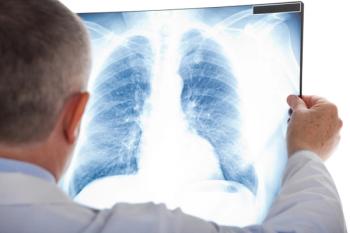
The risk of developing interstitial lung disease after immunotherapy was 6.5 times higher in individuals with high inflammation.

ALE.P02 could provide further treatment options for advanced or metastatic anti–claudin-1+ squamous cancers.