

Tocilizumab-anoh is expected to increase competition, improve patient access, and deliver cost savings in the treatment of various inflammatory conditions.

Kennedy Ferruggia is an associate editor at Pharmacy Times®. She graduated from The College of New Jersey in 2023 in journalism and marketing. Prior to this position, she worked as a pharmacy associate for community pharmacies.
Tocilizumab-anoh is expected to increase competition, improve patient access, and deliver cost savings in the treatment of various inflammatory conditions.

S-337395 demonstrated an 88.4% reduction in viral load and had a statistically significant improvement in clinical symptoms scores.

Lu-edotreotide (ITM-11; ITM) met its primary endpoint of prolonging progression-free survival (PFS).
The supplemental new drug application is based on objective response rate and duration of response results from a phase 2 study that assessed the efficacy and safety of belzutifan.

This marks the first US biologic license application filing acceptance for a biosimilar candidate to golimumab.
MB-105 is a first-in-class CD5-targeted chimeric antigen receptor (CAR) T-cell therapy for the treatment of relapsed or refractory CD5-positive T-cell lymphoma.
The trial meets one of the study’s dual primary endpoints of progression-free survival, but did not meet its other primary endpoint of overall survival.

The cobas liat system is a closed system that aims to reduce contamination risks and enhances the reliability of results at the point of care.

Antiviral treatments for respiratory viruses such as respiratory syncytial virus (RSV) are crucial, especially with the rise of the "triple-demic."

Boosting ursodeoxycholic acid (UDCA) levels through dietary supplementation was shown to control tumor growth in mice with liver cancer.

Biosimilar use is not linked to an increased risk of treatment failure among pediatric patients with inflammatory bowel disease (IBD).
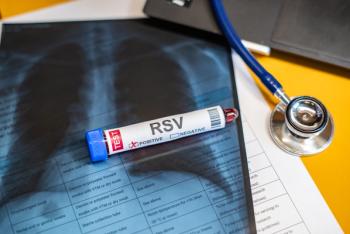
Point-of-care testing implementation could provide valuable data on community respiratory syncytial virus incidence and enhance sentinel surveillance efforts.

The fast-track designation follows the FDA orphan drug designation that was granted for DYNE-101 in September 2023 for the same treatment population.

Biotin supplementation could mitigate manganese-induced damage caused by manganese deficiency and excessive exposure.
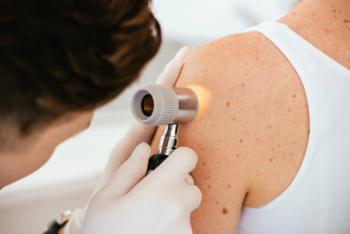
Vusolimogene oderparepvec in combination with nivolumab is being assessed to treat individuals with unresectable or metastatic stage IIIb-IV cutaneous melanoma.

Pharmacists play a significant role in managing gout by educating patients about the disease and ensuring proper medication adherence to urate-lowering therapy.

The FDA proposes to cap the nicotine level at 0.7 mg per gram of tobacco in cigarettes and certain other combusted tobacco products.

The current approved dose of axatilimab-csfr is 0.3 mg/kg up to a maximum dose of 35 mg and will be administered as an intravenous infusion over 30 minutes every 2 weeks.

Rite Aid survey highlights underutilized role of pharmacists in health care, with 62% of respondents viewing their pharmacists as a crucial part of their health and wellness care team.

mRNA-1345 (mRESVIA; Moderna) has the potential to significantly transform the RSV disease state in 2025, according to data analysts.

The proposed age restrictions on dietary supplements would limit consumer access to safe products.

The designation was supported by data from the phase 2, open-label, randomized, multi-center ARTEMIS-002 clinical trial, which assessed the safety and efficacy of GSK’227.

Serplulimab plus HLX04 demonstrates a favorable safety profile in patients with advanced hepatocellular carcinoma.

As an investigational monoclonal antibody, posdinemab targets the mid-domain of AD-specific phosphorylated tau.
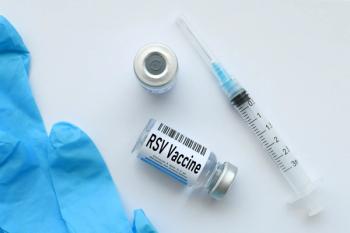
Approximately 61% of individuals said respiratory syncytial virus (RSV vaccination for adults 60 years and older is effective.

If approved, the combination of avutometinib with defactinib could be the first FDA-approved treatment option for low-grade serous ovarian cancer.

The inaccurate claim that these products pose a heavy metal risk is potentially detrimental, as it could discourage pregnant women from using vital prenatal supplements.

Immunocompromised older adults developed fewer antibodies against RSV following vaccination compared with immunocompetent individuals.

Researchers recommend early vaccination against herpes zoster to mitigate the risks.

Short-term spinal cord stimulation could provide long-term pain relief and improve the overall quality of life for individuals with herpes zoster-associated pain and postherpetic neuralgia.