

Increasingly, pharmacists are leading the obesity management team.

Kennedy Ferruggia is an associate editor at Pharmacy Times®. She graduated from The College of New Jersey in 2023 in journalism and marketing. Prior to this position, she worked as a pharmacy associate for community pharmacies.
Increasingly, pharmacists are leading the obesity management team.
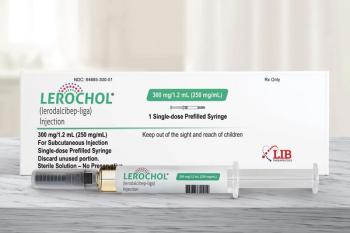
A new device and expanded label tie LDL-C lowering to reduced cardiovascular risk.

Findings presented at the European Respiratory Society Congress 2026 suggest semaglutide may offer respiratory benefits beyond its approved diabetes and obesity indications.
The data help pharmacists predict who will react strongly to mRNA vaccines—giving them a science-backed talking point during respiratory season.

CDC-recommended adult vaccination programs for pneumococcal disease, RSV, influenza, and COVID-19 prevent over 182,000 deaths and generate up to $12 in societal value for every $1 spent.

A Danish registry study found that COVID-19 infection was linked to a lower, not higher, risk of subsequent type 1 diabetes (T1D) in unvaccinated individuals younger than 30 years.
A high-dose vaccine cut hospitalizations for flu, pneumonia, and cardiorespiratory disease in older adults with asthma, COPD, and other chronic lung conditions.

Health systems are being urged to reconcile inventory immediately, as the affected vials are commonly stocked for anaphylaxis and septic shock emergencies.

Long-lived monocyte-derived cells in the lung help sustain tissue-resident memory T cells after influenza infection, and researchers say the discovery could inform more effective nasal flu vaccines.

Pediatric and obstetric groups expand high-risk criteria and extend vaccination windows as federal vaccine guidance remains unsettled.
Time-to-vaccination data from a large diabetes cohort reveal delayed, incomplete uptake of pneumococcal vaccination, with age and citizenship emerging as the strongest predictors.
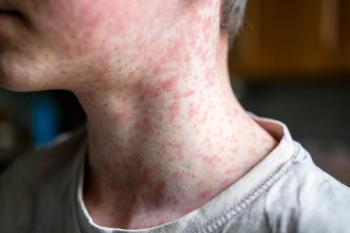
A subsequent dispute between state and federal officials over the deaths' classification has thrust the state into the center of a national vaccine policy fight.

The approval makes ustekinumab the first non-TNF-alpha monoclonal antibody available for both major forms of pediatric inflammatory bowel disease (IBD).
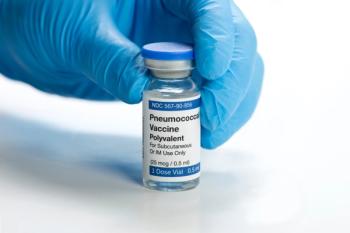
IPD survivors face years of sharply elevated recurrence risk, yet vaccination remains low.
The updated formula targets the JN. 1-lineage XFG variant and begins shipping immediately to pharmacies, hospitals, and clinics nationwide.
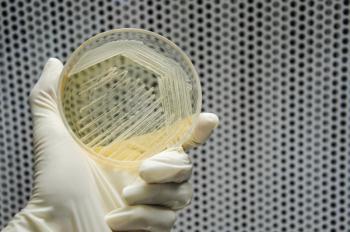
Investigators say the nanoparticle candidate's speedy manufacturing process and slow-mutating target could reshape how the field responds to emerging flu strains.

Certifying pharmacy technicians to administer immunizations streamlines workflow, combats vaccine misinformation, and positions pharmacies to fill a coming gap in physician access.

A lesser-known viral protein may drive both the hyperinflammation and vascular damage seen in severe and long COVID-19.

Night shift and insomnia may triple long-COVID risk; learn how chronic insomnia and long-COVID links affect health workers and prevention.
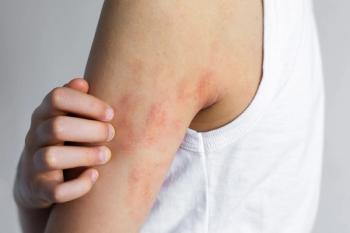
Its targeted PDE4 mechanism, favorable safety profile, and supportive pediatric data make it a meaningful long-term treatment addition.
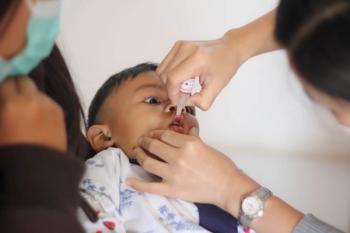
Findings published in Lancet Child & Adolescent Health arrive as a new US executive order shifts rotavirus vaccination to shared clinical decision-making.

Jennifer Griffin, PharmD, MS, outlines a listening-first approach to vaccine-hesitant patients and explains how delegating immunizations and non-clinical tasks to trained technicians has transformed her pharmacy's workflow.
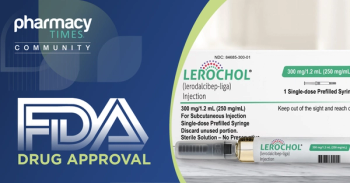
The agency's decision pairs a new self-administration device with label language tying LDL-C lowering to cardiovascular outcomes.

Jennifer Griffin, PharmD, MS, discusses how pharmacists' accessibility and trust position them to fight vaccine misinformation and help close a coming gap in health care access as physician shortages loom.
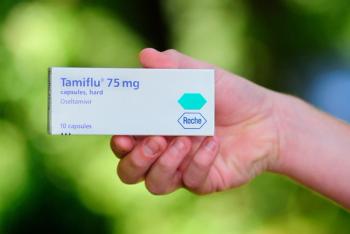
This study strengthens the evidence base supporting current guidelines and may help reverse the recent decline in pediatric antiviral use.
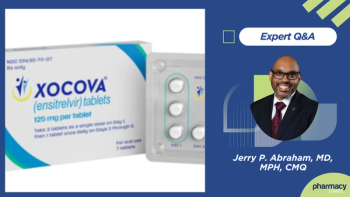
Jerry P. Abraham, MD, MPH, CMQ, discusses the persistent risks of COVID-19 and how a newly approved postexposure prophylaxis option is reshaping pharmacists' role in prevention.

Hannaford's Sara Lane, PharmD, shares how standardized workflows and a growing technician immunizer program have driven measurable gains in vaccination rates.
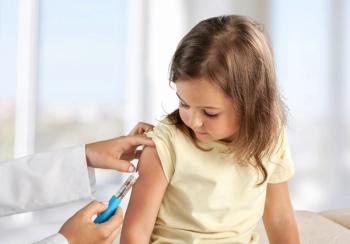
The findings point to persistent vaccine hesitancy and access gaps in the years since the COVID-19 pandemic, with authors calling for stronger clinician recommendations and school-based vaccination sites.
Jerry P. Abraham, MD, MPH, CMQ, discusses why COVID-19 prevention strategies, including ensitrelvir for postexposure prophylaxis, remain essential for protecting vulnerable patients amid persistent summer transmission.
Jerry P. Abraham, MD, MPH, CMQ, discusses how ensitrelvir's new post-exposure prophylaxis indication gives pharmacists a critical 72-hour window to help prevent COVID-19 in high-risk patients.
Published: August 4th 2026 | Updated: August 7th 2026
Published: June 12th 2025 | Updated: June 16th 2025

Published: June 3rd 2025 | Updated: June 11th 2025

Published: March 10th 2025 | Updated: March 21st 2025

Published: March 7th 2025 | Updated: March 10th 2025

Published: December 18th 2024 | Updated: January 2nd 2025