




Conference Coverage
about 21 hours ago
GLP-1 RAs, Finerenone, and CKD: Key Data From Kidney Week 2026about 22 hours ago
Why Drug Dosing in Acute Kidney Injury Is So Hard to Get RightLatest News


Advertisement
Shorts

0:43
Why Targeting a Constrained Epitope May Make COVID-19 Monoclonal Antibodies More Durable
11 days ago
by
Michael Mina, MD, PhD(+1 more)
0:43
Butter, Beef Tallow, or Plant-Based Oil: Which Raises LDL Most?
14 days ago
by
Carol F. Kirkpatrick, PhD, MPH, RDN, FNLA(+1 more)
1:03
Pharmacists Help Close Gaps in Lipid Care and Lp(a) Testing
15 days ago
by
Dinesh Kalra, MD, MBA, FNLA, FACC, FAHA(+1 more)
0:49
Lp(a) Testing Now Recommended Once for All Adults
19 days ago
by
Dinesh Kalra, MD, MBA, FNLA, FACC, FAHA(+1 more)
0:48
Inside the LIBERTY Study: Testing mRNA Vaccination and Monoclonal Antibodies Side by Side
20 days ago
by
Michael Mina, MD, PhD(+1 more)

0:48
Meeting Patients Where They Are: Pharmacists and HIV Prevention
a month ago
by
Kevin Astle, PharmD, BCPS, BCACP, AAHIVP, CDCES(+1 more)
0:42
Why Pharmacists Should Pair Pneumococcal Vaccination With Tobacco Screening
a month ago
by
Robin Corelli, PharmD(+1 more)
1:12
Highlighting the Work of Ambulatory Care Pharmacists
a month ago
by
Kelsey Norman, PharmD, BCCP, BCACP(+2 more)
1:45
New England Ambulatory Care Pharmacists Have a Community With NEIAP
a month ago
by
Katelyn O'Brien, PharmD, BCPS, CDCES, BC-ADM(+3 more)
2:14
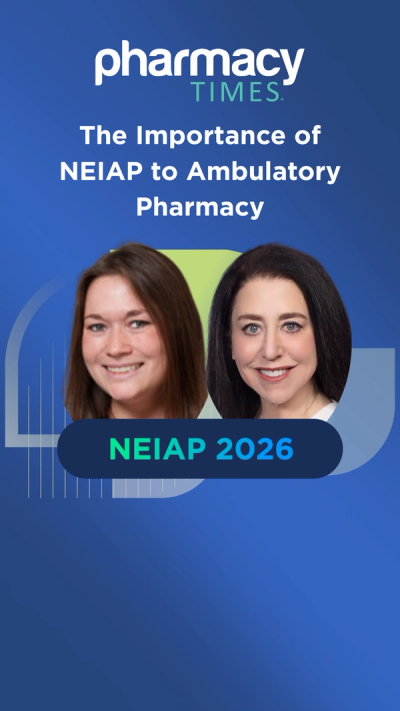
The Importance of NEIAP to Ambulatory Pharmacy
a month ago
by
Jennifer Goldman, PharmD, RPh, CDCES, BC-ADM, FCCP(+2 more)










Advertisement
All News
Advertisement
Two Kidney Week 2026 abstracts show a dose-response link between cardiovascular-kidney-metabolic syndrome (CKM) stage and chronic kidney disease (CKD), while primary care clinicians cite evidence and workflow barriers.

In more than 262,000 UK Biobank participants, a 5-marker cardiometabolic score was linked to graded risk at each step toward CKM multimorbidity.

Two IDWeek 2026 studies link influenza vaccination to fewer ICU admissions in older adults and fewer emergency visits in children.
The approval offers a once-weekly basal insulin treatment option for patients, reducing the frequency of injections.

Early data suggest the 7 PCV20-added serotypes are causing a smaller share of invasive pneumococcal disease in children younger than 2 years.

In pooled CORALreef data, patients with eGFR below 60 had a 65.9% placebo-adjusted LDL-C reduction at week 24, with safety comparable to placebo.

A PharmD candidate reflects on the small, evidence-backed daily habits that helped her thrive—not just survive—through pharmacy school's most demanding years.

Understanding local health care priorities is essential to developing meaningful solutions.

Pharmacy Times featured experts on kidney function assessment, IgG4-related disease, emerging CKD therapies, and gaps in cardiorenal care.

Phase 2 DeLLphi-309 data show comparable activity in previously treated SCLC with less frequent dosing.
Advertisement

The most enduring resources a preceptor can give students are the confidence and tools to ask deeper questions.

A retrospective study of pharmacist-supported mirogabalin treatment highlights the need for careful evidence interpretation and sustained follow-up in cancer-related neuropathic pain.
The approval gives patients 12 years and older a once-daily oral pellet alternative to capsules for preventing hereditary angioedema (HAE) attacks.
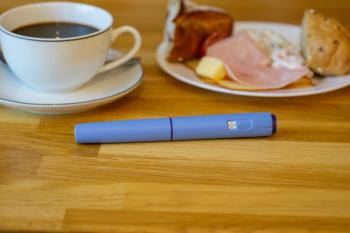
REDEFINE 1 analyses presented at The Menopause Society 2026 meeting found mean weight loss of 23.1% to 26.7% across pre-, peri-, and postmenopausal women.
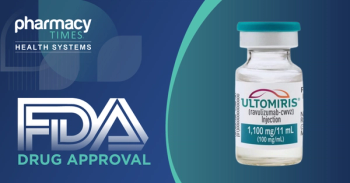
Ravulizumab is now the first C5 complement inhibitor approved for adults with primary IgA nephropathy at risk of disease progression.

A randomized clinical trial found that dedicated oncology pharmacist care reduced adverse drug reactions among patients with hematologic malignancies.
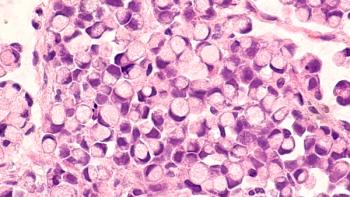
ENDURANCE trial finds fixed 2-year lenalidomide maintenance matches continuous therapy for standard-risk multiple myeloma survival, guiding oncology pharmacists on MM regimen toxicity.
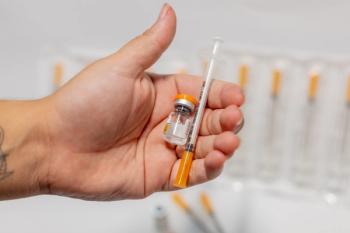
Mounjaro becomes the first GIP/GLP-1 receptor agonist cleared to lower MACE risk, based on the SURPASS-CVOT head-to-head trial.

Sea buckthorn is a commonly used herbal for respiratory health—US pharmacists are knowledgeable in educating patients on herbals, especially during cold and influenza season.

Two recent graduates share strategies for standing out in the competitive fellowship application process.

Community pharmacies are access points, safe places, and sources of stability when everything else feels uncertain.

In the phase 3 B-Well trials, about 1 in 5 adults reached functional cure after a fixed course, but a boxed warning makes monitoring key for pharmacists.
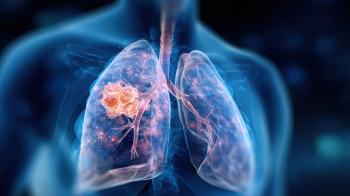
Phase 3 Krascendo 1 results suggest investigational divarasib could improve survival compared with currently approved KRAS G12C inhibitors in previously treated NSCLC.
Advertisement
Advertisement
Trending on Pharmacy Times
1
Beyond Prescription Volume: Measuring the Pharmacist’s Value
2
Medicare GLP-1 Bridge Runs Outside Part D and Pharmacy Teams Need a Different Workflow
3
FDA Approves Talazoparib With Enzalutamide for HRR-Mutated Metastatic Prostate Cancer
4
GLP-1 RAs, Finerenone, and CKD: Key Data From Kidney Week 2026
5