

Opinion|Videos|January 21, 2026
VMAT2 Inhibitors in Tardive Dyskinesia
Fact checked by: Ron Panarotti
In this episode, the panel explains how VMAT2 inhibitors became the foundation of modern tardive dyskinesia treatment.
Advertisement
Prior to 2017, clinicians were limited to options such as vitamin E, amantadine, lowering antipsychotic doses, or switching antipsychotics, but evidence was minimal and results inconsistent. VMAT2 inhibitors introduced the first robust, randomized, placebo controlled data demonstrating meaningful symptom improvement. The panel emphasizes that these agents require a structured approach to dosing, titration, and monitoring. Clinicians must set expectations that noticeable improvement often requires several weeks, even though small changes may appear earlier on structured assessments. Effective treatment depends on collaboration across care settings, including communication between outpatient clinics, pharmacies, and mental health centers to relay AIMS findings, monitor patient tolerability, adjust doses, and identify side effects or drug interactions. VMAT2 inhibitors are positioned as first line therapy because they offer the strongest evidence base and a clear, systematic pathway for symptom reduction.
Advertisement
Related to this article

A pharmacist-led collaborative drug therapy management program at NYC Health + Hospitals/Bellevue reported high patient satisfaction, and every surveyed patient said they felt respected and supported by their pharmacist.
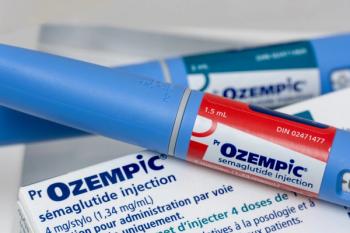
A Novo Nordisk-funded claims analysis of adults with type 2 diabetes found an adjusted HR of 1.06 for MACE with switching, though the findings cannot show causation.

Invasive pneumococcal disease may be the first sign of undiagnosed blood cancers and antibody deficiencies in adults, a new study finds.

A retrospective study from Japan found that oncology pharmacist assessment before medical examination was associated with higher rates of complete adverse event resolution in outpatient chemotherapy.
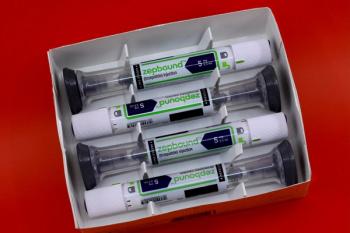
A new analysis finds a significant weight loss edge for tirzepatide under one estimand but not another; no head-to-head trial exists at these doses.

In SCOUT-HCM, mavacamten reduced the Valsalva LVOT gradient by 48 mm Hg versus placebo in adolescents. REMS, echo monitoring, and CYP interactions still apply in the new population.

September’s pain management coverage examined postoperative nonopioid options, lessons from sickle cell pain research, and pharmacists’ experiences with controlled-substance prescribing.
September’s hematology coverage examined a new definition of myeloma cure, patient preferences for treatment delivery, and emerging strategies for deepening responses.
Advertisement
Advertisement
Trending on Pharmacy Times
1
Tirzepatide Linked to More Weight Loss Than Semaglutide 7.2 mg
2
Pharmacist, Advocate, Ally: Delivering Comprehensive Gender-Affirming Care
3
September 2026 in Pain Management: 4 Updates on Treatment and Pharmacy Practice
4
Pharmacists Can Close CKD Medication Adherence Gaps, PHTI Says
5