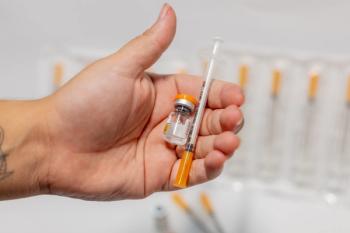
There has been an increase in physicians treating severely depressed patients with low doses of ketamine, which is not FDA-approved to treat depression. According to NPR, there are now dozens of clinics that offer ketamine to patients with depression. Furthermore, a survey of providers in the United States and Canada found that well over 3000 patients have been treated thus far. There have been several small studies showing that ketamine often relieved even suicidal depression in a matter of hours among patients who were unresponsive to other treatments. The potential use of ketamine as an antidepressant was recognized more than a decade ago. Studies since then have provided “compelling evidence that the antidepressant effects of ketamine infusion are both rapid and robust, albeit transient,” according to a consensus statement from the task force of the American Psychiatric Association as quoted by NPR. James Murrough, an assistant professor of psychiatry and neuroscience at the Icahn School of Medicine, said there are still a lot of unanswered questions about ketamine. “We haven’t had large-scale trials. We don’t know how much or how often it should be given for it to be effective or safe,” Murrough told NPR. Although physicians are aware of the short-term effects of ketamine, since it has been used as an anesthetic in emergency rooms, knowledge is still lacking on long-term use. According to Murrough, ketamine’s antidepressant effect tends to wear off after a few days or weeks, which means patients would require repeated infusions to stave off depression. However, he noted that the case of ketamine use is much stronger than it was just a few years ago.
President Donald Trump is heading to Capitol Hill this morning to try and close the deal on the proposed health care reform bill, according to Politico. President Trump will meet privately with the House GOP conference 2 days ahead of the planned vote to repeal the Affordable Care Act. Failure of the American Health Care Act could foreshadow challenges in plans to overhaul the tax code, reform immigration policy, and rework financial services regulation. “This is, I think, a leading indicator about whether we’re going to have a functioning and workable majority,” Bill Huizenga (R-MI) said in the Politico report. Rep Blake Farenthold (R-TX), who committed to voting for the bill last Friday, said hearing from Trump in person makes a difference and his visit to the Hill will firm up support. “Every Republican ran on repealing Obamacare and a vast majority of us got behind Trump for president,” Farenthold said. “I don’t want to go home and say I voted against Trump in repealing Obamacare because that’s what I’ve been trying to do since 2010.”