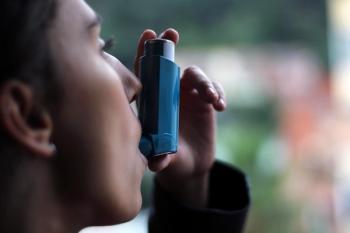
Investigators collected and analyzed data from 269 children with asthma who experienced symptoms including coughing, wheezing, difficulty breathing, and the need for an inhaler. They also collected data from the Environmental Protection Agency about air toxins in neighborhoods surrounding 10 elementary schools in the Spokane region, according to the press release. Data were collected in 2019 and 2020 before the pandemic lockdown occurred in March 2020.1
The study investigators associated their collected data with air pollutant exposures that occurred within 6 months and with 2 longer-term exposure periods 3 and 5 years prior to the children’s asthma symptoms, according to the press release. They found that 1,1,1 trichloroethane; 2-nitropropane; and 2, 4, 6 trichlorophenol were significantly associated with asthma symptoms for the 3 exposure periods.1
In the press release, 1,1,1 trichloroethane is a widely used solvent in industry, formerly used in household cleaners and glues, whereas 2-nitropropane is an additive to paints and other finishes. Additionally, 2, 4, 6 trichlorophenol is an anti-septic and anti-mildew agent banned in the 1980s, but still found in some pesticides and preservatives that were made before that period.1
Key Takeaways
- This study, using machine learning, identified 25 different combinations of air toxins linked to asthma symptoms.
- The study examined exposures within 6 months, 3 years, and 5 years prior to asthma symptoms, suggesting both short-term and long-term impacts.
- Certain pollutants, including industrial solvents and antiseptics, were associated with asthma. While some are banned, they may linger in materials or the environment. Proximity to traffic or factories could also be a factor.
"Some of these air toxics were discontinued in the United States, but they can still be found in materials that may be in storage or people have in their backyard or garage. Other air toxics still exist at least in the environment," Amiri said in the press release.1
Although the study did not pinpoint the source of the air pollutants or why the group of children from a lower income neighborhood were highly exposed, Amiri said proximity to sources, such as highway with a lot of traffic or factories using solvents, could play a role in toxin exposure. The study was also limited to a mid-sized city, Amiri also said that these findings aligned with another study done in New York City which found similar air pollutants were associated with asthma outcomes, according to the press release.1
The current study comes after previous research done by Washington State University that found a group of children in a lower income neighborhood were exposed to more toxic combinations, with 13 of the 25 identified from this research.1
References
Multiple air pollutants linked to asthma symptoms in children. News release. Science Daily. March 13, 2024. Accessed March 14, 2024. https://www.sciencedaily.com/releases/2024/03/240313135515.htm
Amiri S, Li YC, Buchwald D, Pandey G. Machine learning-driven identification of air toxic combinations associated with asthma symptoms among elementary school children in Spokane, Washington, USA. Sci Total Environ. 2024;921:171102. doi:10.1016/j.scitotenv.2024.171102