Key Takeaways
- Patients should log meals, stress, and life events alongside readings.
- Clinicians look for patterns across testing buckets, not single outliers.
- Context helps prevent medication increases based on one high reading.
Waking too late after a long overnight fast can make morning readings look hyperglycemic when patients likely are not.
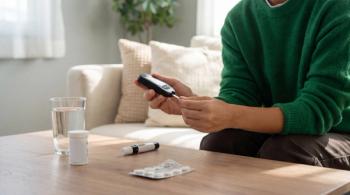
In an interview with Pharmacy Times for Diabetes Awareness Month, Nicole Albanese, PharmD, CDCES, BCACP, a clinical professor in the department of pharmacy practice at the University at Buffalo’s School of Pharmacy and Pharmaceutical Sciences, discussed how pharmacists can help patients use their blood glucose readings to have more productive conversations with their care team.
Albanese, who tells her students and residents that “education is power,” said pharmacists can teach patients that many factors influence blood glucose and that the context around every recorded reading matters. When a provider asks a patient to log blood sugars for 2 weeks before an appointment, the numbers alone are not very useful. Patients should also note what they ate, stressful days, missed meals, vacations, and anything else that might explain a result.
Clinicians look for patterns within testing “buckets,” such as fasting morning readings, and Albanese said a few outliers matter less than the overall pattern. Most of her patients test while fasting in the morning and 2 hours after breakfast, lunch, and dinner or bedtime, although even one of these can paint a good picture. With that context, patients can explain an outlier to their provider, such as a high reading after drinking wine the night before. Without it, she cautioned, a provider might see a single reading of 200 in a patient who usually runs around 100 and raise their medication when it may not be needed.