Navdeep Tangri, MD, PhD, FRCP, discusses risk flags, audit and feedback, GDMT in stage G4+ CKD, and how pharmacists can help bridge treatment gaps.
In CORALreef AddOn, enlicitide lowered LDL-C beyond ezetimibe, bempedoic acid, and their combination, adding 1 pill to a statin to reach goal.
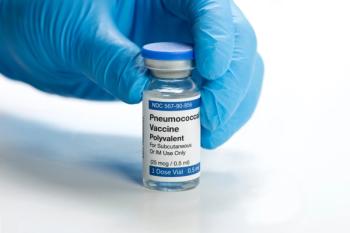
In an interview with Pharmacy Times, Ann Marie Navar, MD, PhD, professor of medicine at UT Southwestern Medical Center, discussed where the oral PCSK9 inhibitor enlicitide (Lipfendra; Merck) could fit for patients in primary prevention who are not at their
Navar noted that not everybody wants an injection, busy primary care doctors often lack time to explain injections, and people in primary prevention may see a shot as a much bigger deal than a pill. She said enlicitide may motivate more of these patients to lower their LDL cholesterol further. She pointed to the phase 3 CORALreef AddOn trial, in which enlicitide produced clinically and statistically significant LDL lowering beyond ezetimibe, bempedoic acid, and their combination. Patients stay on their statin and add 1 pill to reach goal, she explained. She added that studies of enlicitide with rosuvastatin point toward a possible fixed-dose combination, which is still in development.
Navar said that anyone assessing risk in primary prevention, including pharmacists, should use PREVENT to risk stratify patients, recommend starting lipid-lowering therapy, and set treatment goals. Higher scores call for lower LDL cholesterol, apolipoprotein B, and non–high-density lipoprotein cholesterol goals. She noted that pharmacist-led lipid management programs are among the most successful at getting patients to goal, and that pharmacists are especially good at matching therapy to what patients can use and afford and at navigating access challenges with newer therapies.