Key Takeaways
- Individualize the monitoring choice.
- Set realistic expectations.
- Step into gap-closing roles.
Pharmacists are well positioned to address gaps in education, care coordination, access, and optimization of guideline-directed therapy.
In an interview with Pharmacy Times for Diabetes Awareness Month, Joshua J. Neumiller, PharmD, CDCES, FADCES, FASCP, senior vice president of medical affairs at the American Diabetes Association (ADA) and professor of pharmacotherapy at Washington State University College of Pharmacy and Pharmaceutical Sciences, discussed how pharmacists can help patients choose a glucose monitoring approach and where the pharmacist's role in diabetes care is heading.
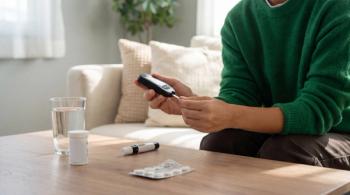
Neumiller explained that while continuous glucose monitoring (CGM) is an incredible tool for many people with diabetes, it isn't necessarily right for everyone, depending on their management needs, individual preferences, and priorities. Even when a patient wants to start CGM, he said, device-specific factors should be discussed so the technology fits into the person's life. Pharmacists can help by educating patients on the pros and cons of CGM versus fingerstick blood glucose monitoring, setting realistic expectations for each method, and guiding them to the approach and device that best meet their needs.
Looking ahead, Neumiller anticipates pharmacists playing an increasingly important role on the multidisciplinary diabetes care team. He noted that important gaps exist in the use of evidence-based therapies, and pharmacists are well positioned to address gaps in education, care coordination, access to therapies and technologies, and optimization of guideline-directed therapy. He closed by saying pharmacists can play a critical role in helping people like him who live with diabetes live their best life.