

Opinion|Videos|February 17, 2025
Patient Journey and the Role of the Pharmacist
Panelists discuss how the TD patient journey often begins with subtle symptoms that may go unrecognized, particularly in older adults who face unique challenges with diagnosis and treatment, while emphasizing the crucial role pharmacists play in early identification through medication reviews, regular monitoring of patients on antipsychotics, coordination with healthcare providers, and ongoing assessment of treatment response and adherence.
Advertisement
Episodes in this series

Video series above is prompted by the following:
- What does the typical patient journey for an individual with TD look like, particularly in older adults?
- How do pharmacists assist in identifying and monitoring TD symptoms to ensure timely referral for appropriate care and assess treatment success over time?
Advertisement
Related to this article

American Pharmacists Month kicked off on October 1, honoring more than 700,000 pharmacy professionals and 250 years of caring for America's communities.

Decades after cisplatin's approval, platinum-based chemotherapy continues to anchor treatment regimens across tumor types, new research finds.

A pharmacist-led collaborative drug therapy management program at NYC Health + Hospitals/Bellevue reported high patient satisfaction, and every surveyed patient said they felt respected and supported by their pharmacist.
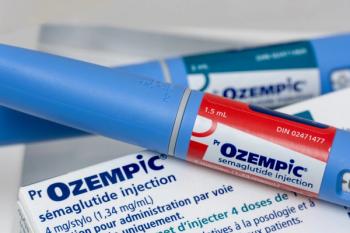
A Novo Nordisk–funded claims analysis of adults with type 2 diabetes found an adjusted HR of 1.06 for MACE with switching, although the findings cannot show causation.

Invasive pneumococcal disease may be the first sign of undiagnosed blood cancers and antibody deficiencies in adults, a new study finds.

A retrospective study from Japan found that oncology pharmacist assessment before medical examination was associated with higher rates of complete adverse event resolution in outpatient chemotherapy.
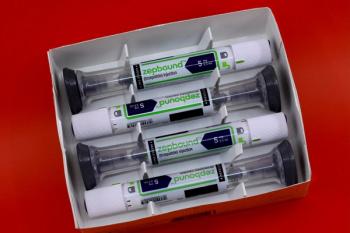
A new analysis finds a significant weight loss edge for tirzepatide under one estimand but not another; no head-to-head trial exists at these doses.
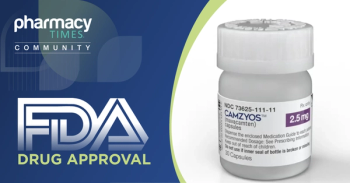
In SCOUT-HCM, mavacamten reduced the Valsalva LVOT gradient by 48 mm Hg vs placebo in adolescents. REMS, echo monitoring, and CYP interactions still apply in the new population.
Advertisement
Advertisement
Trending on Pharmacy Times
1
Tirzepatide Linked to More Weight Loss Than Semaglutide 7.2 mg
2
Statin Myths: Why Patients Avoid Cholesterol-Lowering Therapy
3
Pharmacist, Advocate, Ally: Delivering Comprehensive Gender-Affirming Care
4
Semaglutide 2 mg Tied to Lower MACE Risk Than Tirzepatide Switch
5