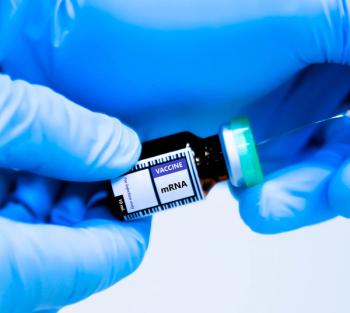
Despite the controversy surrounding mRNA's role in the COVID-19 response, the technology's broader promise—to prevent, treat, and even cure a host of diseases—is coming into focus.
Its targeted PDE4 mechanism, favorable safety profile, and supportive pediatric data make it a meaningful long-term treatment addition.
The FDA has approved a supplemental new drug application for roflumilast (Zoryve; Arcutis Biotherapeutics) cream 0.3%, expanding its indication to children as young as 2 years with plaque psoriasis, making it the first once-daily, steroid-free topical therapy approved for this age group. The expanded indication covers children aged 2 to 5 years, including use on intertriginous areas such as skin folds, and marks the seventh FDA approval for roflumilast in 4 years.1
Roflumilast is a topical, selective PDE4 inhibitor. PDE4 is an intracellular enzyme central to inflammatory dermatologic disease; by inhibiting it, roflumilast reduces downstream cytokine release and helps rebalance the dysregulated cutaneous immune response characteristic of plaque psoriasis. The cream is water-based and formulated without sensitizers, irritants, or penetration enhancers, making it well-suited for use in young children and on sensitive skin areas.1
Importantly, roflumilast cream 0.3% has no duration-of-use restrictions and is approved for use anywhere on the body, including the face and intertriginous areas, sites where topical corticosteroids are generally discouraged or have limited duration of use. This distinguishes it meaningfully from prior topical standards of care in this population.1
The pediatric label expansion was supported by a phase 2 open-label maximal usage systemic exposure study (ARQ-151-216; NCT04746911) evaluating pharmacokinetics, safety, tolerability, and exploratory efficacy in children aged 2 to 5 years with plaque psoriasis affecting at least 2% of body surface area, along with a 24-week phase 3 long-term safety extension study (DERMIS-OLE; NCT04286607). Safety and exploratory efficacy in this younger cohort were generally consistent with those established in older pediatric and adult populations.1
The foundational efficacy data come from the phase 3 DERMIS-1 (NCT04211363) and DERMIS-2 (NCT04211389) trials, which were identical, double-blind, vehicle-controlled studies enrolling 439 and 442 participants, respectively, with patients 2 years and older. Approximately 40% of roflumilast-treated participants in both trials achieved a 75% reduction in Psoriasis Area and Severity Index scores by week 8, compared with single-digit response rates in the vehicle arms (P < .001 for both). Treatment-related adverse event rates were comparable between groups, and no serious adverse events were reported in either trial.1,2
Plaque psoriasis affects nearly 9 million individuals in the United States and can begin in early childhood, presenting with itch, scaling, redness, and flaking on the body, face, and genitalia. Children under 6 years have historically had very few approved long-term topical options, leaving caregivers and clinicians to rely largely on off-label agents. This approval directly addresses that gap.1
Pharmacists play a key role in counseling caregivers of young patients prescribed roflumilast cream. Important counseling points include the once-daily application schedule, the absence of body-site or duration-of-use restrictions, and the favorable tolerability profile. Arcutis also offers access support through its Zoryve Direct Program for commercially insured patients and the Arcutis Cares patient assistance program for uninsured or underinsured individuals—resources pharmacists can help families navigate.1
The most commonly reported adverse reactions (≥ 1%) in clinical trials were diarrhea (3.1%), headache (2.4%), insomnia (1.4%), nausea (1.2%), application site pain (1.0%), upper respiratory tract infection (1.0%), and urinary tract infection (1.0%). Pharmacists should counsel caregivers to monitor for gastrointestinal symptoms and report any unexpected systemic reactions. No serious adverse events were reported in the pivotal trials.1,2
The expanded pediatric approval of roflumilast cream 0.3% is a significant milestone for children aged 2 to 5 years with plaque psoriasis, providing the first once-daily, steroid-free topical option for this age group with no body-site or duration restrictions. Its targeted PDE4 mechanism, favorable safety profile, and supportive pediatric data make it a meaningful addition to long-term treatment, with pharmacists well positioned to support appropriate use and caregiver counseling.
about 2 months ago
The Growing Role of Digital Health and Pharmacist Guidanceabout 2 months ago
Building a Life Where Work Is Optionalabout 2 months ago
The Main Street Pharmacy Access Act: A Small Bill Asking a Big Questionabout 2 months ago
The Hidden Work Behind Medication Adherenceabout 2 months ago
GLP-1s: A New Frontier in Substance Use Disorder Management