

Nationwide Danish data presented at EASD 2026 link a widening cancer gap in type 2 diabetes largely to obesity-related cancers.
Nationwide Danish data presented at EASD 2026 link a widening cancer gap in type 2 diabetes largely to obesity-related cancers.
Eric Lawitz, MD, explains how pharmacists can discuss liver risk with patients with obesity and why a FIB-4 score from routine blood work is a good first step.
In the phase 2 ZUPREME 1 trial, the once-weekly amylin analog was well tolerated, with nausea mostly mild and limited to dose escalation.
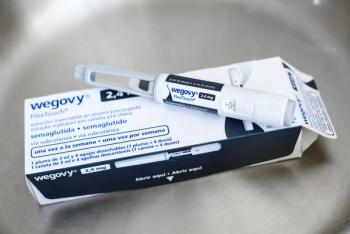
Post hoc STEP UP data at EASD 2026 show liver fat fell from 8.8% to 3.1% at 72 weeks in a 55-person MRI subgroup, though no placebo comparison was reported.
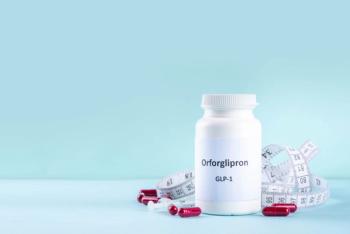
In adults with type 2 diabetes at high cardiovascular (CV) risk, the oral GLP-1 RA also improved HbA1C and weight, with less hypoglycemia but more GI events.
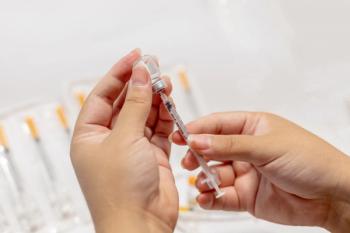
Phase 2b data from EASD 2026 show the amylin-incretin combination also cut HbA1C by up to 2.9% in adults with obesity or overweight and type 2 diabetes.

fMRI data show cagrilintide-semaglutide altered brain responses to high-calorie food cues; REIMAGINE analyses point to ectopic fat and bone effects.
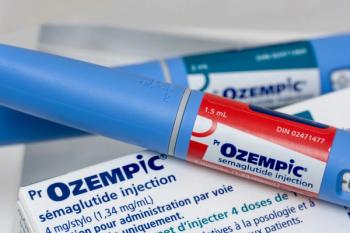
A Novo Nordisk–funded claims analysis of adults with type 2 diabetes found an adjusted HR of 1.06 for MACE with switching, although the findings cannot show causation.
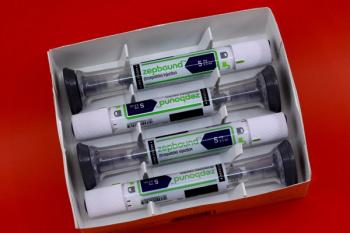
A new analysis finds a significant weight loss edge for tirzepatide under one estimand but not another; no head-to-head trial exists at these doses.

Indirect comparison links orforglipron 17.2 mg to 1.5% more weight loss and 0.3% more A1C lowering than oral semaglutide 25 mg in adults with type 2 diabetes.

Phase 3 TRIUMPH-2 data presented at EASD show HbA1C reductions up to 1.6%, with GI effects, hypotension, and dysesthesia as key counseling points.