
Opinion|Videos|September 23, 2024
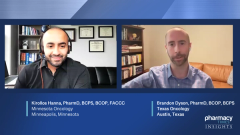
Impact of Dose Modifications on CLL Treatment
The discussion explores the frequency and impact of dose modifications due to adverse events, strategies for maintaining outcomes, monitoring protocols, and how these modifications affect long-term CLL therapy effectiveness and treatment decisions.
Advertisement
Episodes in this series
Video content above is prompted by the following:
- How frequently do patients require dose modification due to adverse events?
- How does dose modification impact the patient’s outcomes, and what strategies are employed to maintain optimal outcomes?
- What monitoring protocols are implemented for patients after dose modification, and how do these protocols help in maintaining treatment efficacy and patient safety?
- How do dose modifications impact the long-term effectiveness of chronic lymphocytic leukemia therapies, and how does this information guide treatment decisions?
Advertisement
Related to this article

Brooke Hudspeth, Nicole Paolini Albanese, and Joshua Neumiller explain how pharmacists spot patterns, fix testing problems, and brief the care team.

Extended INDIGO and FIREFLY-1 results presented at SNO 2026 put seizure burden during vorasidenib therapy and time off tovorafenib in pediatric low-grade glioma into focus.
With a mifepristone safety review due by March and Senate control shifting in January, the FDA faces an extended stretch without a permanent leader.
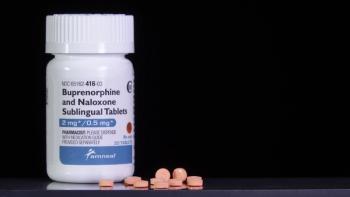
Pharmacists can help patients start buprenorphine for opioid use disorder by confirming when to take the first dose, whether another opioid continues during initiation, and who will manage symptoms and follow-up.
In older veterans, mRNA-1283 was associated with lower risks of medically attended COVID-19 and hospitalization than BNT162b2.
Pharmacists can use medication therapy management to screen for diabetes, educate patients about medication adherence and lifestyle modifications, and support early action.
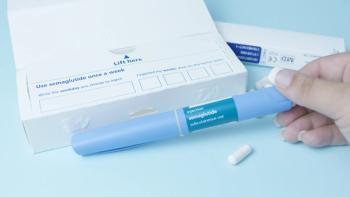
In a phase 3 trial of children aged 6 to younger than 12 years, once-weekly semaglutide reduced BMI 16.2 percentage points more than placebo at 68 weeks.
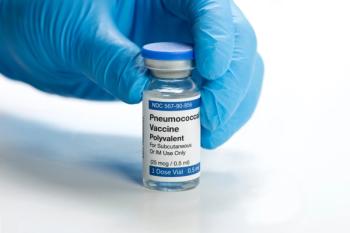
An analysis of 40 economic studies found PCV20 and PCV21 outperformed older strategies, while low uptake and racial gaps limited the benefit of vaccination.
Advertisement
Advertisement
Trending on Pharmacy Times
1
Long-Acting HIV Injectables in Viremia and New Tenofovir-Free Oral Options
2
Glucose Data: How Pharmacists Turn Readings Into Next Steps
3
Two-Drug HIV Regimens, Archived M184V Resistance, and Long-Acting Preference
4
Diabetes Awareness Month: Pharmacists Can Lead on Screening, Education, and MTM
5