Growing evidence points to gallstones and cholecystitis as an underrecognized risk of GLP-1 RA therapy—pharmacists are well positioned to catch it early.
WADA tracks GLP-1s like Ozempic, Wegovy, and Zepbound at the Olympics as pharmacists weigh muscle-loss risks and sports pharmacy guidance.
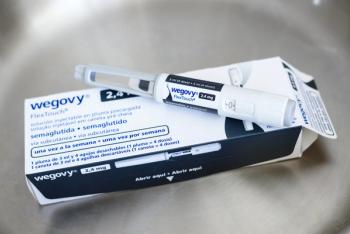
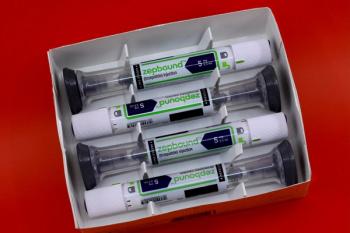
Glucagon-like peptide-1 receptor agonists (GLP-1 RAs) such as semaglutide (Ozempic, Wegovy; Novo Nordisk) and tirzepatide (Zepbound, Mounjaro; Eli Lilly) have transformed diabetes care and obesity management in recent years. Although these agents deliver meaningful metabolic and weight outcomes in clinical populations, their rising visibility beyond traditional indications has sparked debate in elite sports, particularly as the 2026 Winter Olympic Games unfold.1
The World Anti-Doping Agency (WADA) is tracking GLP-1 RAs because of concerns not only about fairness in competition but also about the implications of these agents for athletes’ health and performance.1,2 Pharmacists should understand the multidimensional implications of GLP-1 RA use in athletic contexts, including muscle physiology, antidoping policy, and public perception.
WADA has included GLP-1 RAs in its 2026 monitoring list.1 This does not mean that athletes are banned from using these medications, but rather that WADA is moving toward monitoring usage that suggests misuse or unintended performance consequences. For a drug or method to be included on the prohibited list, it must meet at least 2 of the following 3 criteria: performance enhancement, health risk to the athlete, or violation of the “spirit of sport.”1 GLP-1 agents, originally designed to address metabolic response, may relate to all 3 criteria, as they impact body composition, affect muscle and fueling, and are being subject to off-label experimentation in fitness cultures.3,4
GLP-1 RAs stimulate satiety and decrease energy intake via neuroendocrine pathways that inhibit appetite and delay gastric emptying.5 Although these properties are beneficial in the treatment of diabetes and obesity, they also influence nutritional and energy intake in athletes, whose metabolic rate is exceptionally high.5 Among the most important concerns is unintentional loss of lean muscle mass. Data from exercise and sports studies have shown that GLP-1 RAs decrease overall body weight while reducing lean mass, including skeletal muscle tissue, which is essential for power, endurance, and recovery.3-5 In the context of elite sports, even small changes in muscle mass can impair performance outcomes.
“Weight-loss medications aren’t currently prohibited in sports, but their placement on WADA’s monitoring radar signals a shift in how we evaluate performance, health risk, and the spirit of sport. Sports pharmacists play a critical role in ensuring these medications are used ethically and medically justified and never as a shortcut to competitive advantage. In athletes, appetite suppression can unintentionally drive low energy availability, which may increase the risk of injury, illness, and impaired recovery. There is also concern that wider use of these drugs could intensify body-image pressures already present in sport, underscoring the need for careful oversight and athlete-centered decision-making,” said Brandon Welch, PharmD, President of SportPharm Inc., Founder of the Sports Pharmacy Network, and an advisory board member for the Society of Sports Neuroscience.
Physicians with expertise in sports medicine have highlighted prevalent misconceptions about GLP-1 agents among athletes. Steven Isono, MD, head physician for Team USA at previous Olympic Games, explained that taking a GLP-1 “does burn fat, but it also will burn muscle,” emphasizing the physiological trade-offs that may detract from athletic capacity.1 He noted that athletes can consequently experience diminished speed, endurance, and explosiveness—key determinants of peak performance.1 Similarly, Jeremy Kent, MD, assistant professor of family medicine at the University of Virginia School of Medicine, has cautioned that some athletes mistakenly believe GLP-1 RAs “can help them increase their insulin, and by that measure, increase their muscle mass,” but “that’s not the case at all.”1 These expert insights underscore that GLP-1 use is not a pharmacologic shortcut to muscle gain or enhanced performance.
The increased public awareness of GLP-1 drugs through mainstream and social media outlets has also contributed to the attitudes of recreational athletes. The surveys of exercising individuals and non–elite sports groups show awareness and, in some instances, use of GLP-1 RAs for aesthetic or performance-enhancing purposes without understanding the health risks.3 Body image disorders and mental health issues may be associated with the off-label use of GLP-1 drugs in these groups, further clouding attitudes about the drugs’ performance-enhancing potential in sports.3 Although elite sports and recreational exercise settings are very different, the overlap in motivations demands consideration by health professionals advising exercising individuals.
Currently, there is no convincing evidence of a performance-enhancing effect of GLP-1 RAs in healthy, nondiabetic individuals, whereas adverse effects such as decreased energy intake, fueling practices, and loss of lean mass could potentially impair performance.2,5 Performance in physical activity is dependent on sufficient caloric intake, glycogen loading, and muscle integrity, which can be jeopardized when appetite suppression and weight change are not managed.5 The lack of a performance-enhancing effect also puts WADA’s cautious monitoring into perspective as a preventive measure against unregulated use and future policy changes for the 2028 Summer Olympic Games in Los Angeles, California.2
Pharmacists counseling athletes or highly active patients should promote evidence-based guidance: ensure prescribed GLP-1 use aligns with legitimate medical needs; review antidoping regulations and therapeutic use exemption processes; and implement strategies such as structured resistance training and nutrition optimization to protect lean mass and performance where needed.
GLP-1 RAs are now entering the international athletics dialogue—not as performance-enhancing drugs per se, but as compounds with complex metabolic effects worthy of monitoring, study, and medical advice. In light of the ongoing WADA surveillance at the Olympic level and the complex physiological effects described by sports medicine professionals, the pharmacist has a critical role in facilitating safe and informed discussions about GLP-1 RA use among athletes.
Stay informed on drug updates, treatment guidelines, and pharmacy practice trends—subscribe to Pharmacy Times for weekly clinical insights.
Subscribe