At-home chemotherapy for HR+ breast cancer works best when pharmacists guide oral regimens, boosting adherence, safety, and affordable access.
A pharmacist's guide to the most common cancer myths circulating online.
Misinformation crowds the internet and social media, leading patients with cancer down various algorithmic paths toward unproven remedies and away from evidence-based care. Many myths about cancer circulate online. Some say sugar and artificial sweeteners cause or worsen cancer. Others tout the “curative” benefit of herbal supplements and a positive attitude. For pharmacists, it is crucial to understand how to respond to misinformation and debunk the cancer myths their patients may bring to them.
This belief is probably the single most widespread cancer myth online. Although research has shown that cancer cells do consume more glucose than normal cells, no studies have produced data showing that eating sugar and carbohydrates will make cancer worse or that cutting it out will shrink or stop it.1
“Cancer will eat sugar if it’s around. But cancer will eat anything in your body: protein, fat, and even dead cancer cells,” Santosha Vardhana, MD, PhD, a physician-scientist at Memorial Sloan Kettering Cancer Center, said in an interview. “If you try to starve cancer of one thing, such as sugar, it will eat something else. Your body will always lose a race to starve cancer because cancer is programmed to grow without stopping, no matter the conditions.”2
The interplay between cancer and sugar may lie in obesity, which is linked to 13 different cancer types, including the following3:
This illustrates the nuance of medical information that is often missed. Sugar and carbohydrate intake alone does not cause or worsen cancer, but it can influence other risk factors such as obesity and chronic inflammation, both of which have well-established links to increased cancer risk.
Another common claim circulating online is that biopsies or surgery can cause cancer to spread through the body. In reality, the chance of this happening is extremely low. Surgeons follow strict, standardized protocols specifically designed to prevent cancer cells from migrating during these procedures. For instance, when tissue needs to be removed from more than one area of the body, separate surgical tools are used for each site to eliminate any risk of cross-contamination.1
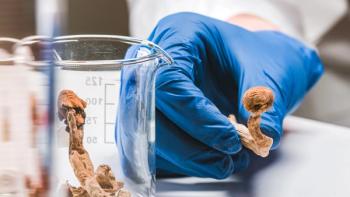
Herbal supplements may have some health benefits, but there is no clinical evidence that shows they can cure cancer. Alternative or complementary therapies do show some clinical benefit, but this is for relief of adverse effects rather than as a direct intervention against the cancer itself.1
Many patients assume that herbal supplements are harmless, but they are among the most common culprits behind drug-drug interactions (DDIs) in cancer care. St John’s Wort, widely taken for depression, activates the cytochrome P450 enzyme system and stimulates P-glycoprotein efflux pumps, both of which can significantly interfere with the way the body processes a range of oral and intravenous cancer medications.4
Turmeric presents a similar problem. Despite its popularity as a complementary therapy for its supposed anticancer properties, it has been shown to suppress CYP450 enzyme activity, effectively reducing the potency of drugs such as tamoxifen.4
The deodorant-breast cancer myth has some scientific nuance worth considering. Aluminum-based compounds are the active ingredient in most antiperspirants and work by temporarily blocking sweat ducts to reduce perspiration. Because these products are applied frequently to the underarm area, in close proximity to breast tissue, some researchers raised the question of whether aluminum could be absorbed through the skin and behave similarly to estrogen.5
Because estrogen is known to promote the growth of breast cancer cells, the concern was that regular exposure to these compounds could contribute to breast cancer development, with some study data also suggesting that aluminum may have direct activity in breast tissue itself.5
However, it is important to note that no findings to date have confirmed that aluminum in antiperspirants poses any substantial risk or meaningfully increases the likelihood of developing breast cancer. Study findings on antiperspirants and breast cancer have been mixed, and the scientific community has yet to reach a consensus, underscoring the need for more rigorous, large-scale research.5
Advances in early detection, treatment, and personalized medicine have improved survival rates for many cancers. With timely care, several types of cancer are highly treatable or even curable. According to the National Cancer Institute, the combined 5-year survival rate for all cancers is 69%. Some cancers, such as breast, prostate, or thyroid, even have survival rates beyond 90%.1
The claims about cancer explored in this article are not fringe beliefs—they are widespread, well circulated, and rooted in scientific concepts that have been misunderstood or oversimplified. With informed, compassionate conversations, pharmacists can help steer patients away from harmful misinformation and toward the care that gives them the best possible chance of recovery.