The first AHA endocarditis update in 11 years expands outpatient options, with a bigger role for pharmacists.
New ACC statement urges pharmacists to weigh cognition and frailty in every older adult's cardiovascular regimen.
Older adults with cardiovascular disease (CVD) rarely present with that condition alone. Cognitive impairment and frailty frequently coexist and can reshape how a regimen is tolerated and adhered to and, ultimately, whether independence is preserved. A new American College of Cardiology (ACC) Scientific Statement, published in the Journal of the American College of Cardiology (JACC), calls for an aging-informed, function-centered approach that pharmacists are well positioned to support through medication review and deprescribing.1
The scale of overlap is substantial. An estimated one-third of patients seen in cardiology clinics have some degree of cognitive impairment, whereas frailty affects approximately half of community-dwelling older adults and two-thirds of those undergoing percutaneous coronary intervention. The statement frames CVD, cognitive impairment, and frailty as shared manifestations of biological aging, driven by vascular dysfunction, chronic inflammation ("inflammaging"), and sarcopenia, rather than as separate problems to be managed in isolation.1-3
That framing matters at the counseling window. Cognitive impairment complicates medication adherence, shared decision-making, and postprocedural care planning, and patients with moderate to severe dementia face an elevated risk for postprocedural delirium. For pharmacists, a patient who cannot reliably track a complex regimen is a patient whose cardiovascular therapy may not deliver its intended benefit.1
“Polypharmacy is a major contributor to adverse outcomes and loss of function,” Karen P. Alexander, MD, FACC, professor of medicine at Duke University School of Medicine and chair of the scientific statement writing committee, said in an interview with Pharmacy Times. “Pharmacists should focus on medication review, simplification of regimens, and identifying opportunities to deprescribe medications that may worsen cognition or increase fall and bleeding risk.”
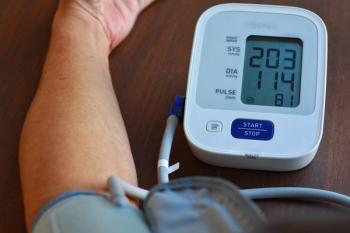
The statement's pharmacologic guidance is pragmatic and, in places, explicitly pharmacist-facing. It emphasizes optimal blood pressure control as a central intervention to preserve cardiovascular and cognitive health, while cautioning that more lenient targets may be appropriate in those with severe baseline frailty or advanced cognitive impairment. It notes that oral anticoagulation for stroke prevention in older adults with atrial fibrillation remains beneficial despite a small increased bleeding risk, with individualized assessment and shared decision-making central when the risk-benefit balance is uncertain.1
Regarding glucose-lowering agents, the authors note that intensified glycemic control has not been shown to preserve cognitive function, and the roles of metformin, sodium-glucose cotransporter-2 (SGLT2) inhibitors, and glucagon-like peptide-1 (GLP-1) receptor agonists in mitigating biological aging remain hypothesized rather than fully established. The statement also flags a sarcopenia concern relevant to weight-management counseling: GLP-1 receptor agonists may adversely affect muscle mass in older adults at risk, prompting proposed mitigation through adequate protein intake and resistance training.1
Polypharmacy is where the pharmacist's role is most direct. The statement estimates polypharmacy prevalence as high as 45% and higher still in older adults with CVD, and it positions medication review not merely as reconciliation but as a strategy to protect physical function. It states that pharmacist-led reviews help ensure every medication is evidence-based, necessary, and aligned with the patient's goals of care, reducing preventable hospitalizations and medication-related complications. The American Geriatrics Society (AGS) Beers Criteria remain a practical tool for identifying potentially inappropriate medications in this population, and deprescribing guidance increasingly emphasizes aligning regimens with patient priorities rather than guideline adherence alone.1,4,5
“Classes warranting the closest monitoring for balance between benefit and risk include antihypertensives and diuretics that may contribute to orthostasis, dizziness, and falls; rate-controlling agents that may contribute to fatigue; and antithrombotic regimens that increase bleeding risk,” Alexander noted.
Because cognitive impairment is often underrecognized in specialty care, the statement highlights brief, structured tools—the Mini-Cog, Mini-Mental State Examination (MMSE), Montreal Cognitive Assessment (MoCA), and Saint Louis University Mental Status Examination (SLUMS)—while noting variable sensitivity, particularly for vascular dementia. For frailty, grip strength and gait speed are highlighted as the 2 most helpful clinical measures for predicting sarcopenia-related outcomes. The authors emphasize that coordinated, multidisciplinary, team-based care is critical and that many social drivers of health cannot be addressed within clinical settings alone.1,6
Stay informed on drug updates, treatment guidelines, and pharmacy practice trends—subscribe to Pharmacy Times for weekly clinical insights.
Subscribe