Key Takeaways
- Lead with pancreatitis risk for patients who drink heavily.
- Cover hydration and low blood sugar.
- Reinforce potential benefits without overpromising.
A pharmacy practice professor explains how GLP-1s may blunt reward signaling tied to drinking and why pancreatitis risk belongs in counseling.
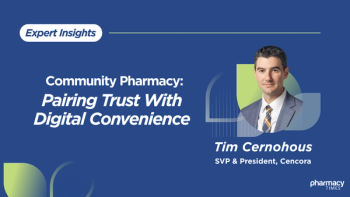
In an interview with Pharmacy Times, Kimberly Barefield, PharmD, MHA, professor of pharmacy practice at the Philadelphia College of Osteopathic Medicine (PCOM) School of Pharmacy, discussed the growing interest in glucagon-like peptide-1 (GLP-1) medications for alcohol use disorder (AUD) and how pharmacists can counsel patients who drink while taking these therapies.
Barefield explained that interest stems in part from the limited number of medications available to treat AUD, combined with observations that emerged after GLP-1s reached the market: patients taking these agents tend to have fewer cravings and drink less alcohol. Although the mechanism is not fully established, she noted that GLP-1s are thought to act on alcohol cravings much as they act on appetite in obesity, working in the satiety center of the brain to quiet the “food noise” that drives patients to keep eating. With alcohol, the effect is believed to occur in the mesolimbic reward system, blunting the reward associated with drinking.
For pharmacists, Barefield emphasized that counseling should balance potential benefits with safety. For patients prescribed a GLP-1 who drink heavily, her first priority is warning about the possibility of pancreatitis. At the same time, pharmacists can reinforce that, as the dose is titrated, patients may notice better blood sugar control, reduced cravings for food, and possibly a decrease in their alcohol use.
When counseling patients with obesity who also have AUD, Barefield recommended reviewing the signs and symptoms of acute pancreatitis with those who continue to drink, encouraging adequate hydration because dehydration can occur when alcohol and GLP-1s are combined, and making sure patients recognize the signs and symptoms of low blood sugar.
Barefield added that drinking alcohol with an injectable GLP-1 is safe and does not decrease absorption of the medication, but she stressed the importance of counseling patients appropriately about these potential risks.