Post hoc AHA 2026 data show the oral GLP-1 receptor agonist lowered systolic blood pressure across hypertension stages, partly beyond weight loss.
The glucagon/GLP-1 dual agonist did not raise major adverse cardiovascular event risk in adults with obesity, but GI-related discontinuations were high.
Survodutide, an investigational once-weekly glucagon/glucagon-like peptide-1 (GLP-1) receptor dual agonist, did not increase the risk of major adverse cardiovascular events compared with placebo in adults with
For pharmacists, the findings set a cardiovascular safety baseline for a new incretin-based mechanism, while high rates of gastrointestinal (GI)-related discontinuation put titration at the center of future counseling if the agent reaches the market.1
“Survodutide represents a novel class of incretin-based therapy combining glucagon receptor and GLP-1 receptor agonism, and therefore it's a new class of agent,” said Biykem Bozkurt, MD, PhD, principal investigator of SYNCHRONIZE-CVOT and professor of medicine and senior dean at Baylor College of Medicine, in an interview with Pharmacy Times. “Given the potential hypothesized direct effects of glucagon receptor agonism on the cardiovascular system, there was a necessity to test the safety.”
Bozkurt noted that earlier weight loss agents, including sibutramine and fen-phen, produced weight loss but were associated with cardiovascular harms, which is why regulators require cardiovascular safety data for new classes of weight loss agents, much as they do for diabetes medications.
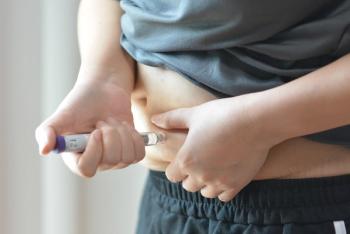
SYNCHRONIZE-CVOT is a randomized, double-blind, event-driven phase 3 cardiovascular safety trial that enrolled adults with a body mass index of at least 27 kg/m2 and established cardiovascular disease (CVD) or chronic kidney disease and/or at least 2 weight-related complications or risk factors for CVD. Participants received once-weekly subcutaneous survodutide 3.6 mg or 6.0 mg, or placebo. The primary end point was time to first occurrence of a 5-point major adverse cardiovascular event (5P-MACE) composite of cardiovascular death, nonfatal myocardial infarction (MI), nonfatal stroke, coronary revascularization, or heart failure events. According to Boehringer Ingelheim, it is the first global cardiovascular safety trial of a glucagon/GLP-1 dual agonist to date.1-3
The trial met its primary end point using both the treatment-regimen and supplementary secondary estimands. The hazard ratio (HR) for 5P-MACE with survodutide versus placebo was about 0.89 (95% CI, 0.67-1.18; P < .001 for noninferiority) using the treatment-regimen estimand. For the key secondary end point of 3-point MACE (cardiovascular death, nonfatal stroke, or nonfatal MI), the HR was 0.84 (95% CI, 0.60-1.18; P < .0001 for noninferiority). Because the confidence intervals for both end points cross 1, the results show survodutide did not increase cardiovascular risk but do not establish a cardiovascular benefit.1,2
“There was no increase in terms of 5-point MACE events, and noninferiority was achieved in a significant manner, supporting the safety of this agent in individuals with increased cardiovascular risk or established CVD and individuals living with obesity,” Bozkurt said.
Bozkurt said that in a while-on-treatment analysis, point estimates for the combined cardiovascular end points trended in a more favorable direction among participants who remained on survodutide, but she noted the limits of that finding. “It's a noninferiority trial; we are not powered to look at superiority,” she said.
At week 72, survodutide reduced systolic blood pressure by up to 6.68 mm Hg vs 1.76 mm Hg with placebo (P = .0001) and waist circumference by up to 11.96 cm vs 2.74 cm with placebo, using the supplementary secondary estimand. Weight loss reached up to approximately 13.7% with survodutide versus 2.0% with placebo in a population that included individuals with type 2 diabetes. Boehringer Ingelheim also reported significant reductions in high-sensitivity C-reactive protein (hs-CRP) and triglycerides versus placebo but did not release those figures.1,2
Bozkurt said the reduction in waist circumference “does support the concept that visceral adiposity was effectively changed,” while the drop in hs-CRP suggested improvement in inflammatory biomarkers that are important in CVD. “It is the quality of the weight loss that was very important and was favorably affected, in addition to the magnitude of weight loss,” she said.
GI adverse events (AEs)—most commonly nausea, vomiting, diarrhea, and constipation—were the most frequently reported and were mostly mild to moderate in severity. Discontinuation due to GI AEs occurred in approximately 19.3% of participants receiving survodutide 3.6 mg and 20.8% of those receiving 6.0 mg, compared with 1.9% with placebo. These results are consistent with other SYNCHRONIZE trials, the company said.1,2
Most discontinuations occurred during dose escalation because the original protocol allowed limited flexibility to slow titration, adjust doses, or extend temporary interruptions, leading some participants to stop treatment who might otherwise have continued. For pharmacists, that makes dose escalation, GI symptom management, and early follow-up main focal points for counseling.1
“I think we should allow titration according to tolerability as well as ability to adhere to the dose on an individual basis,” Bozkurt said. “Pharmacists are critical in identifying individual needs, tolerability, and AE profile.”
She added that clinicians “need to be aware of what patients may be taking, either over the counter or as compounded pharmacy products.”
Bozkurt described survodutide as “a different class” with potential complementary effects on liver metabolism. “In individuals at risk for cardio-kidney-liver-metabolic disorder, or individuals with established CVD and/or cardiovascular risk, it is a good alternative to the existing products to address both the risk as well as metabolic risk factors, such as visceral adiposity, abnormal lipid profile, and abnormal blood pressure,” she said.
She also urged pharmacists to shift patient conversations beyond the scale, saying, “The emphasis should not solely be on the magnitude of weight loss but on the quality of the weight loss,” and that “the pharmacist's role in educating patients about that comprehensive, simultaneous, multidomain cardiometabolic risk mitigation is critical.”