
News|Articles|February 19, 2026
Adult Obesity Linked to Increased Risk of Severe Infections, Multicohort Study Finds
Author(s)Luke Halpern, Associate Editor
Fact checked by: Danielle Valletti, Assistant Editor, Ron Panarotti
Listen
0:00 / 0:00
Key Takeaways
- Multicohort registry linkage captured first incident hospital-treated infection or infection death across 925 pathogens, enabling broad inference beyond single-disease end points.
- Class III obesity showed HRs ~2.7-3.1 for combined fatal/nonfatal severe infections vs healthy weight, with consistent effects after extensive covariate adjustment.
A multicohort analysis reveals that obesity substantially increases hospitalization and mortality risk across diverse infectious diseases.
Advertisement
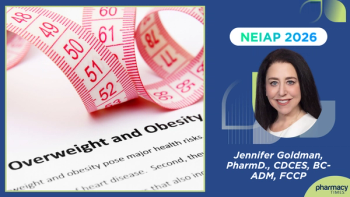
Adults with obesity face an increased risk of hospitalization or death from infectious diseases compared with individuals of healthy weight, according to a study published by investigators in The Lancet. The risk of infection escalated in a dose-response manner with body mass index (BMI) severity; individuals with class III obesity (BMI of 40 or greater) demonstrated a nearly 3-fold higher risk of severe infection outcomes compared with those of healthy weight, highlighting the importance of weight management and lifestyle changes for patients with obesity or overweight.1
Study Details
Brief Overview: Study Design and Population
Investigators pooled data from 2 Finnish prospective cohort studies—the Finnish Public Sector Study and the Health and Social Support Study—comprising 67,766 participants followed longitudinally for over a decade. Findings were replicated in an independent cohort of 479,498 participants from the UK Biobank. After assessing BMI at baseline, individuals were followed up through national hospitalization and mortality registries for the first record of incident infection-related hospital admissions and deaths.1
Participants were categorized as healthy weight (BMI of 18.5-24.9), overweight (25.0-29.9), or obese. Obesity was further stratified into class I (30.0-34.9), class II (35.0-39.9), and class III (40.0 or higher). The primary outcome was severe infection, defined as hospital-treated infectious disease or infection-related mortality. The analysis included 925 distinct bacterial, viral, parasitic, and fungal pathogens. Median follow-up exceeded 12 years in the UK Biobank and 14 years in the Finnish cohorts, continuing until the first recorded infection, death, or the end of follow-up—whichever event occurred first.1
Key Findings: Obesity and Overweight Increase the Risk of Severe Infection
In fully adjusted models accounting for age, sex, ethnicity, smoking, alcohol use, socioeconomic status, and comorbidities including diabetes, hypertension, and cardiovascular disease, obesity was independently associated with increased infection risk. Compared with healthy-weight individuals, HRs for nonfatal severe infections in patients with class III obesity were 2.75 (95% CI, 2.24-3.37) in the Finnish cohorts and 3.07 (95% CI, 2.95-3.19) in the UK Biobank. Similar HRs were observed for fatal infections; accordingly, the investigators combined nonfatal and fatal severe infections, yielding HRs of 2.69 (95% CI, 2.19-3.30) in the Finnish dataset and 3.07 (95% CI, 2.95-3.19) in the UK Biobank.1
HRs for obesity compared with healthy weight were deemed consistent across BMI (HR, 1.7; 95% CI, 1.7-1.8), waist circumference (HR, 1.7; 95% CI, 1.7-1.8), and waist-to-height ratio (HR, 2.1; 95% CI, 2.0-2.1). Notably, in addition to the first severe infection, obesity was associated with an almost 2-fold higher risk of recurrent severe infections.1
Changes in BMI category were associated with the risk of severe infections, with weight loss from obesity to overweight or healthy weight reducing infection risk (HR, 0.8; 95% CI, 0.6-1.0); incidence 111.1 per 10,000 person-years). Correspondingly, weight gain from overweight to obesity increased infection risk by 1.3 times (95% CI, 1.1-1.5; incidence 109.4 per 10,000 person-years).1
Obesity was associated with an increased risk for almost all infection types, including parasitic, fungal, chronic, and viral infections. In a thorough analysis of 10 widely studied infectious diseases, obesity showed the strongest association with skin and soft tissue infections (SSTIs). This causal relationship has been established in prior research, with heightened BMI having a positive causal effect on the development of SSTIs such as impetigo, cutaneous abscess, cellulitis, pilonidal cyst, and other local infections.1,2
Global Burden Estimates
Applying these risk estimates to 2023 Global Burden of Disease (GBD) data, investigators estimated that obesity contributed to almost 10% of infection-related deaths globally. Geographic variation was substantial; in high-income nations with elevated obesity prevalence, the attributable fraction was higher. The highest population-attributable fractions were observed in North Africa and the Middle East (22.5% in 2023; 95% CI, 17.0-29.4), whereas the lowest were in South Asia (4.1% in 2023; 95% CI, 2.7-6.1).1
Mechanistic Insights
The association between obesity and severe infections is plausible and multifactorial. Obesity induces chronic low-grade systemic inflammation, hyperglycemia, insulin resistance, and immunological alterations that impair innate and adaptive immune responses. These metabolic factors compromise T cell and natural killer cell function, impair neutrophil activity, and dysregulate complement and adiponectin signaling pathways. Anatomical changes, including reduced mucus clearance and respiratory mechanical impairment, can further compromise host defense against diverse pathogens.3
Implications for Pharmacists
Pharmacists play a critical role in identifying and counseling patients at elevated infection risk. Clinical vigilance is warranted when managing patients with obesity, particularly those undergoing surgical procedures or with chronic comorbidities. Evidence suggests individuals with obesity may not respond optimally to antimicrobial therapy or vaccination, which could prolong hospitalization and recovery time. This necessitates closer monitoring and potentially adjusted therapeutic strategies.1,3
The rising global prevalence of obesity, which is projected to continue increasing according to the GBD collaboration, suggests the burden of obesity-associated infections is likely to grow. Pharmacists can contribute to preventive efforts by promoting weight management, encouraging vaccination adherence, and facilitating interdisciplinary care coordination for high-risk patients. The study authors note that obesity prevention and evidence-based weight-loss interventions, including pharmacotherapies such as glucagon-like peptide-1 receptor agonists, may help reduce infection-related mortality.1,4
REFERENCES
1. Nyberg ST, Frank P, Ahmadi-Abhari S, et al. Adult obesity and risk of severe infections: a multicohort study with global burden estimates. Lancet. Published online February 9, 2026. doi:10.1016/S0140-6736(25)02474-2
2. Hu H, Mei J, Lin M, Wu X, Lin H, Chen G. The causal relationship between obesity and skin and soft tissue infections: a two-sample Mendelian randomization study. Front Endocrinol (Lausanne). 2022;13:996863. doi:10.3389/fendo.2022.996863
3. Muscogiuri G, Pugliese G, Laudisio D, et al. The impact of obesity on immune response to infection: plausible mechanisms and outcomes. Obes Rev. 2021;22(6):e13216. doi:10.1111/obr.13216
4. GBD 2021 Adult BMI Collaborators. Global, regional, and national prevalence of adult overweight and obesity, 1990-2021, with forecasts to 2050: a forecasting study for the Global Burden of Disease Study 2021. Lancet. 2025;405(10481):813-838. doi:10.1016/S0140-6736(25)00355-1
Advertisement
Related Content
Advertisement































































































Advertisement
Advertisement
Trending on Pharmacy Times
1
Pharmacists as the Glue in Cardio-Kidney-Metabolic Care
2
Extended-Interval Tarlatamab Dosing Offers Pharmacists More Flexible Administration Windows in SCLC
3
Pharmacists Weigh Health, Not Just Weight, in Obesity Care
4
Cancer Among 9/11 Survivors Is Accelerating 25 Years Later
5