
Contraception requests and STI treatment are natural openings for pharmacists to discuss HIV testing and prevention, says Christina Madison, PharmD.
Contraception requests and STI treatment are natural openings for pharmacists to discuss HIV testing and prevention, says Christina Madison, PharmD.
Kevin Astle, PharmD, says expanding pharmacy services to HIV prevention and testing helps meet patients where they are.
In an interview with Pharmacy Times, Danielle Roman, PharmD, BCOP, FHOPA, manager of oncology clinical pharmacy services at Allegheny Health Network in Pittsburgh, discusses ASCO’s updated guideline for follow-up and surveillance after primary treatment for early-stage breast cancer.
Experts discuss how pharmacists can apply shared clinical decision-making, address guidance fatigue, and build multi-vaccine programs as COVID-19 recommendations continue to evolve.
A Peterson Health Technology Institute evaluation found virtual chronic kidney disease (CKD) care companies aren’t slowing kidney function decline or boosting medication adherence, despite billions invested.
Ramantamig trispecific shows deep, durable myeloma responses, with tocilizumab easing CRS and enabling safer outpatient dosing.
MRD-guided stopping in multiple myeloma shows many patients stay disease-free for 4 years.
TecDara shows strong myeloma control, but early infection risk demands vigilant prophylaxis; safety improves after six months, supporting second-line use.
New BCMA bispecific shows durable myeloma responses with low severe CRS/ICANS, fewer infections, and convenient outpatient dosing in TRAVINO.
In a Swedish study of 482,000 heart failure hospitalizations, cold effects emerged days later, whereas heat effects appeared almost immediately.
A pharmacy practice professor explains how GLP-1s may blunt reward signaling tied to drinking and why pancreatitis risk belongs in counseling.
Experts from the NEIAP 2026 Annual Forum share how pharmacists are driving hypertension, lipid, cardiorenal, obesity, and CDTM care as primary clinical decision-makers.
Robin Tumlinson, PharmD, BCOP, discusses how biomarker-guided treatment and increasingly complex toxicity profiles are expanding oncology pharmacists’ responsibilities in bladder cancer care.

Bola Olagunju, PharmD; and Vicki Saengkheune, PharmD, stress that medication is an important tool in the care of patients with obesity, and improving one disease state can help others improve as well.
In an interview with Pharmacy Times, Robin Tumlinson, PharmD, BCOP, clinical pharmacist specialist in genitourinary oncology at Vanderbilt University Medical Center, discussed recent developments reshaping bladder cancer treatment across disease stages.
As centanafadine awaits DEA scheduling, Megan Maroney, PharmD, BCPP, FAAPP, and Danielle Stutzman, PharmD, BCPP, unpack what its modest efficacy data, favorable interaction profile, and pediatric dosing considerations mean for real-world ADHD prescribing.
Katelyn O'Brien, PharmD, emphasizes sick-day management and preprocedure holds to lower euglycemic DKA risk with sodium-glucose cotransporter 2 (SGLT2) inhibitors.
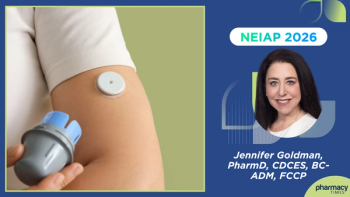
With a dual glucose-ketone monitor now available, pharmacists must interpret the data and give patients a clear DKA action plan, Goldman says.
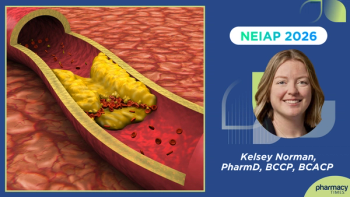
Kelsey Norman, PharmD, says addressing provider inertia and asking about adherence at every visit are central to proprotein convertase subtilisin kexin type 9 (PCSK9) inhibitor success.
Updated guidelines call for earlier primary aldosteronism screening in stage 2 hypertension, opening a clear role for pharmacists, says Anthony Ishak.
In an interview with Pharmacy Times, Carole R. Berini, PhD, research scientist at Ontada, and Saamir Pasha, MPH, senior biostatistician at Ontada, discussed how validated proxies for missing Eastern Cooperative Oncology Group (ECOG) performance status could strengthen real-world oncology evidence.

In an interview with Pharmacy Times, Carole R. Berini, PhD, research scientist at Ontada, and Saamir Pasha, MPH, senior biostatistician at Ontada, discussed how artificial intelligence and routinely collected clinical data could help address missing Eastern Cooperative Oncology Group (ECOG) performance status in real-world oncology research.

Vicki Saengkheune, PharmD; and Bola Olagunju, PharmD, describe a collaborative clinic where pharmacists titrate therapy, provide counseling, and remove access barriers.

Jackie Burke, PharmD, has advice for strengthening collaborative drug therapy management (CDTM) in a year: ask leaders what they need, then pilot one focused, trackable, reportable workflow.

Jackie Burke, PharmD, says the widest collaborative drug therapy management (CDTM) gap is operational—implementing workflows and showing outcomes, not proving pharmacists' clinical expertise.
The strongest antiobesity medication candidates are chosen by overall health and comorbidities like heart failure, CKD, and sleep apnea, not weight alone.

Katelyn O'Brien, PharmD, says a shared view of cardio-kidney-metabolic syndrome lets pharmacists unify care across endocrinology, cardiology, and nephrology.

Kelsey Norman, PharmD, says pharmacists' longer visits and collaborative practice agreements make them well positioned to get patients to low-density lipoprotein (LDL) goals.

Anthony Ishak, PharmD, explains how the PREVENT risk estimator helps pharmacists calibrate dose intensity and move stage 2 patients to combination therapy.

Led by the moderator, the panelists/expert pharmacists examined common specialty pharmacy and insurance barriers facing patients starting tyrosine kinase inhibitor therapy, sharing proactive strategies such as pre-identifying patient assistance and quick-start programs, securing copay assistance and grant funding, and writing data-driven appeal letters to support payer approvals.