

A pressure vibration device can cut propofol injection pain in patients undergoing surgeries, matching low-dose ketamine without extra adverse events.
A pressure vibration device can cut propofol injection pain in patients undergoing surgeries, matching low-dose ketamine without extra adverse events.

Derek Webb and Dennis Williams outline practical, patient-centered strategies pharmacists can use to personalize OTC allergy recommendations, explain nondrowsy antihistamines clearly, and deliver efficient counseling in busy community settings.

This century has seen a dramatic shortage of pharmacists, then a dramatic pullback, and now a selective shortage. Will artificial intelligence tip the scale? If so, in which direction(s) and which settings of care?

Pitolisant is now the first and only FDA-approved nonscheduled treatment for cataplexy in pediatric and adult patients with narcolepsy.

The FDA approves a once-monthly dosing schedule for amivantamab and hyaluronidase-lpuj to optimize administration and cut down infusion times.
Craig Beavers, PharmD, explores new phase 3 evidence on factor XIa inhibitors for secondary stroke prevention, highlighting OCEANIC-STROKE results, safety, and patient selection.

The biosimilar is a cost-effective treatment for patients with conditions caused by cancer treatment.

Joseph Saseen, PharmD, explains how population health strategies and team-based care create new opportunities for pharmacists to identify lipid treatment gaps and lead evidence-based ASCVD prevention.

Telehealth expands physical therapy and pharmacy support.

Explore the balance of ambition and self-care in cancer care, emphasizing curiosity, collaboration, and the importance of sustainable productivity.

Anne Cassity explains how Medicare Part D’s move to flat PBM service fees in 2028 may reduce incentives for high-cost formulary placement and support more cost-conscious medication decisions.

Amivantamab with lazertinib emerges as a promising frontline therapy for EGFR-mutated metastatic NSCLC, enhancing overall survival and treatment tolerability.

With user expectations changing and the need to support patients throughout their entire treatment journey, growing technology-enabled communication allows pharmacists to build stronger relationships and go beyond prescription fill.

Universal aspirin at the first prenatal visit lowers severe preeclampsia rates in high-risk pregnancies, delaying onset without raising hemorrhage or placental abruption risk.

ALZ-801, an oral anti–amyloid oligomer therapy, shows cognitive, functional, and brain-volume benefits in the mild cognitive impairment (MCI) stage of Alzheimer disease, with supportive biomarkers and no edema risk.

Allison Hill, PharmD, RPh, emphasizes that it is not too late for flu vaccination and highlights how pharmacists can address vaccine fatigue.

Niels Lund, expert investigator, reveals how early type 2 diabetes care slashes greenhouse gas emissions, boosts life years, and curbs costly complications.

Collaborative practice agreements let pharmacists speed multiple sclerosis therapy starts, manage labs, and boost adherence—easing provider workload.

Registry data show COVID-era care disruptions cut 1-year cancer survival, adding 17,390 excess deaths—the biggest losses in late-stage and older patients.
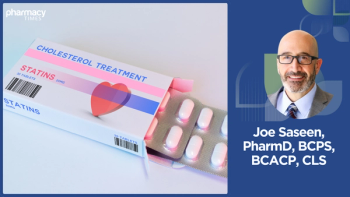
Joseph Saseen, PharmD, highlights how pharmacists can close treatment gaps in dyslipidemia by initiating appropriate statin intensity early, using combination therapy when needed, and proactively assessing adherence.
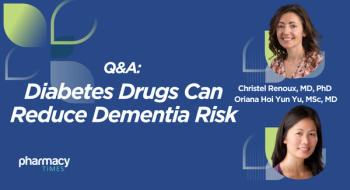
Incretin-based therapies were associated with a lower risk of dementia compared with sulfonylureas in older adults with type 2 diabetes, highlighting potential cognitive benefits relevant to long-term diabetes management.
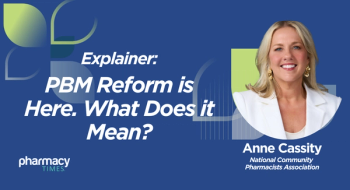
Anne Cassity of the NCPA outlines the historic passage of federal pharmacy benefit manager (PBM) reform and explains how new Medicare Part D contracting standards could reshape reimbursement and oversight for community pharmacies.

WADA tracks GLP-1s like Ozempic, Wegovy, and Zepbound at the Olympics as pharmacists weigh muscle-loss risks and sports pharmacy guidance.
Derek Webb and Dennis Williams discuss key global learnings from the FIP World Congress of Pharmacy, highlighting how pharmacists worldwide are leading proactive OTC allergy care and what practical strategies US community pharmacies can adopt.
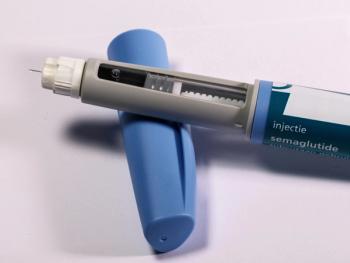
Study links GLP-1 receptor agonists plus progestin to lower endometrial cancer risk, hinting at new prevention and treatment paths with fewer hysterectomies.

Both formulations were also well-tolerated and withdrawal was rare.

MammaPrint genomic profiling guides personalized HR-positive breast cancer treatment, helping pharmacists and oncology teams reduce chemotherapy use while protecting outcomes.
Patients need evidence that reflects real benefit.

Explore emerging evidence on aspirin’s potential role in reducing cancer risk and improving survival.

The label change removes boxed warnings of cardiovascular disease, breast cancer, and probable dementia from certain hormone replacement therapy products.