

For the future of precision medicine, many health care providers hope to see a flood of new therapies for biomarker testing to be approved in the next few months.
For the future of precision medicine, many health care providers hope to see a flood of new therapies for biomarker testing to be approved in the next few months.
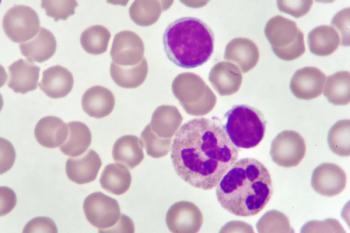
In a presentation at the Community Oncology Alliance 2021 Virtual Conference, Jeff Sharman, MD, summarized the most important developments in care for CLL.

A survey shows that 13% of respondents started or increased substance use to cope with pandemic-related stress or emotions.

Over the past 18 months, the FDA has approved 4 new regimens for HER2-positive metastatic disease.

The data were presented for the first time at the virtual 2021 American Association for Cancer Research (AACR) Annual Meeting, April 10-15, 2021.

The pharmacist is the last barrier between a patient and a drug, which is why it's critical for pharmacists to check for allergies, potential drug interactions, patient understanding of how to use the drug, and whether the prescription is appropriate for the diagnosis.

A new study published in Nature Communications used artificial intelligence (AI) to identify 3 new multiple sclerosis (MS) subtypes, which may help identify which individuals are more likely to have disease progression, according to the authors.

Among patients with HIV who had not been diagnosed with heart disease at the beginning of the study, the risk of developing heart disease, heart failure, or stroke for the first time was 90% higher among those taking beta-blockers.

This week on Pharmacy Times, there are a number of important topics that will be covered and posted throughout the week.

The researchers found that patients who reduced their calorie intake by 10% or more and adopted a moderate exercise program immediately after their diagnosis had, on average, 70% less chance of having lingering leukemia cells after a month of chemotherapy than those not on the diet-and-exercise regimen.

In the United States, non–small cell lung cancer accounts for 80% to 85% of all lung cancers, with most patients initially diagnosed with advanced or metastatic disease.

Many pharmacies and safety-net providers were preparing for the long-anticipated transition from Medicaid managed care to fee-for-service (FFS)—known as the carve-out—that was set to take effect on May 1, 2021.

The first step toward operationalizing the uptake of biosimilars is having a program-level discussion that not only describes what biosimilars are, but also assesses how they impact the bottom line and could get incorporated into treatment plans.
RET fusions and mutations drive many types of cancer.

For patients with no previous PARP treatment and multiple prior lines of therapy, PARPs may be an appropriate choice.

The study did not find significant associations between the intake of unprocessed red meat or poultry with either of these conditions, in contrast to prior studies that linked red meat to higher risks of cardiovascular disease.

The discovery points to a novel treatment target for shrinking brain tumors that arise secondary to breast cancer, according to the study authors.

Recent estimates suggest that 40% of near-poor individuals on Medicare spend at least one-fifth of their income on health care expenses, according to the study.

Pharmacists can lead to the charge to innovate in both 503A and 503B settings, which are poised to change and grow.

Trepanning is one of the oldest known forms of surgery that was historically used to address issues pertaining to the skull.

This study, published in eLife, is the first experimental evidence to demonstrate changes occurring between synapses in human cells, according to the authors.

COVID-19 has increased the demand for new, safer curbside conveniences and the health care industry—including the pharmacy—has transformed rapidly to meet patient needs and prioritize safety as a result of the pandemic.
Opdivo-based combinations show benefit for patients with esophageal cancer who are often diagnosed after their disease has spread and would benefit from new therapeutic options.

Megan May, PharmD, BCOP, Cecilia Lau, RPh, BCOP, APh, and Daneng Li, MD, share their thoughts on unmet needs in the management of neuroendocrine tumors.

The most common reason given for refusal of a COVID-19 vaccine was distrust of the health care system, correctional or government personnel, and institutions.

The unsung heroes of the coronavirus disease 2019 (COVID-19) pandemic are pharmacy technicians.

A session at the Community Oncology Alliance virtual 2021 conference noted that clinical trials have found promising new treatments for patients with breast cancer, offering opportunities for future new approvals and indications.

Developing an antimicrobial stewardship program is arduous but valuable; commitment from leadership is the first step.

In patients who received early palliative care, researchers noted a lower percentage of patients with depression, improved quality of life, and, significantly, longer survival.

Panelists at the Community Oncology Alliance (COA) virtual 2021 conference said the impacts of the pandemic on their day-to-day operations were challenging, although they all said they were proud of how their staff handled the rapid changes in spring of 2020.