
Nakia Eldridge, PharmD, MBA, shares insights for health system and community pharmacists attending the 2025 APhA Annual Meeting & Exposition.
Nakia Eldridge, PharmD, MBA, shares insights for health system and community pharmacists attending the 2025 APhA Annual Meeting & Exposition.

Patients with central nervous system (CNS) involvement achieved favorable outcomes with chimeric antigen receptor (CAR) T-cell therapy.

Non-high-density lipoprotein cholesterol was found to be more effective at predicting cardiovascular events such as stroke, myocardial outcomes, heart failure, and others compared with low-density lipoprotein cholesterol.

Sjögren's disease is one of the most common chronic autoimmune diseases that affects 4 million individuals around the world.

Allison Ju-Chen Hu, PhD and Yuhua Bao, PhD describe results of their landmark study that found significant differences in opioid prescriptions in racially and ethnically minoritized communities.

This subset of heart failure requires unique therapeutic considerations.
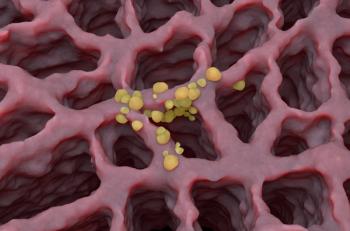
After decades without improvements, an expert with Baptist Health described the small cell lung cancer (SCLC) space as “exciting” following multiple innovations in the past few years.

The new indication for guselkumab in Crohn disease builds off a previous approval in ulcerative colitis, providing patients a treatment option for the major forms of inflammatory bowel disease.

Vutrisiran becomes the first and only therapeutic FDA-approved to treat cardiomyopathy of wild-type or hereditary transthyretin-mediated amyloidosis (ATTR-CM) in adults.

As cases rise, experts warn that vitamin A supplementation should not be used as a replacement for vaccination.

The agent is the only approved therapy designed to address the underlying mechanisms of the disease.
The FDA reviews NDAs and BLAs to approve medications for sale and marketing in the US with decisions required by the PDUFA date.

The launch of ustekinumab-stba following its FDA approval expands patient access to this therapy with a variety of indications.

Health care professionals in the study found it challenging to manage the complexities of disordered eating in patients with type 1 diabetes alongside their other responsibilities.
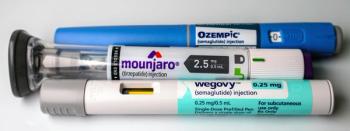
An expert roundtable discussed what consumers and pharmacists should be aware of as compounded versions of glucagon-like peptide-1 receptor agonists continue to proliferate.

Allogeneic stem cell transplant (allo-SCT) conditioning with busulfan/fludarabine with thiotepa and posttransplant cyclophosphamide induced improved 2-year progression-free survival and overall survival in patients with myelofibrosis, especially older adults.

BeeR is a bacterial protein from the family Verrucomicrobiota that influences cell shape and division.

Community pharmacists are uniquely positioned to assist with diabetes management using CGM devices.

Educating patients about the nutrition facts label and integrating food pharmacies are examples of pharmacist opportunities.

Symptoms occur when airborne irritants enter the eyes, nose, and throat, causing an allergic reaction.

As HIV treatment and prevention evolve, the use of long-acting injectables and their role in combating the HIV epidemic grows.
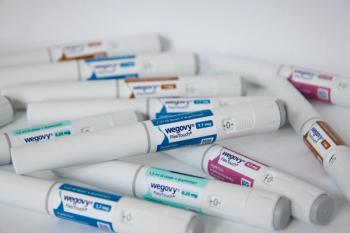
As demand for GLP-1 therapies grows, patients face rising costs and restrictive insurance policies.

Prioritizing preventive measures for high-risk individuals would effectively address half of RSV hospitalizations.
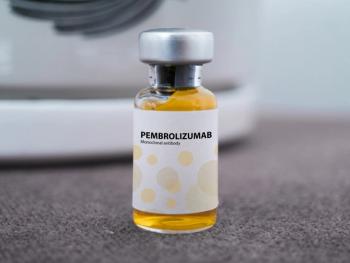
The combination was approved for treatment of patients with gastroesophageal junction (GEJ) adenocarcinoma.

Exidavnemab is a novel monoclonal antibody with disease-modifying potential.

Results highlight promising advancements in novel treatments for patients with HIV-1, including a combination regimen with broadly neutralizing antibodies and long-term data on bictegravir, emtricitabine, and tenofovir alafenamide (Biktarvy).

Patients with a disorder from this family of neurodevelopmental conditions face a lack of approved treatment options, making radiprodil poised to transform the treatment paradigm.

Ononogbu discusses research, health equity, and sickle cell advancements.

Approximately 74% of patients with chronic rhinosinusitis with nasal polyps receiving depemokimab across 2 trials did not need additional intervention.