

Taletrectinib demonstrated high response rates and was well tolerated among patients with ROS1+ non-small cell lung cancer (NSCLC).
Taletrectinib demonstrated high response rates and was well tolerated among patients with ROS1+ non-small cell lung cancer (NSCLC).

This abstract will be presented at the Oncology Pharmacists Connect (OPC) meeting in Austin, Texas, from June 19 to 20, 2025.

The authors wrote that a life course approach to the treatment and prevention of depression may help reduce individual burdens of dementia.

Retail pharmacies are undergoing a meaningful transformation into accessible, community-based health care hubs by expanding clinical services, embracing value-based care, and addressing gaps in access, technology, and reimbursement.
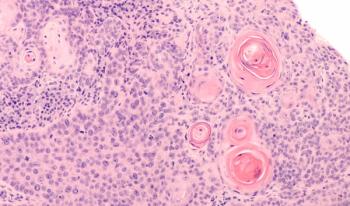
Building on positive event-free survival (EFS) and overall survival (OS) rates in the original analysis of CheckMate 77T, new results indicate sustained survival over 3 years following treatment with nivolumab compared with placebo in non-small cell lung cancer (NSCLC).

A multidisciplinary, technology-enhanced approach supported by executive leadership is essential for effective drug diversion surveillance and regulatory compliance in health systems.

Pharmacists have a unique opportunity to improve cardiovascular outcomes by integrating medication management with food-as-medicine approaches.
Asciminib shows superior tolerability over nilotinib in newly diagnosed patients with Philadelphia chromosome-positive chronic myelogenous leukemia in chronic phase, enhancing treatment options and patient outcomes.

Combining GLP-1 therapy with specific antibodies can reduce muscle loss during weight management, enhancing overall health outcomes.


Low uptake of vaccination to protect against invasive pneumococcal disease (IPD) was observed both before and after a pneumococcal-related hospitalization, with countless missed vaccination opportunities documented.

The restructuring of the Advisory Committee for Immunization Practices (ACIP) could impact recommendations for routine childhood and adult vaccinations.
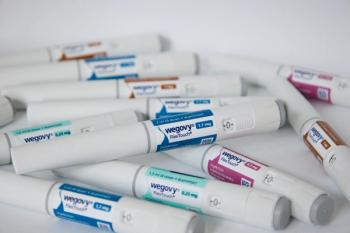
By translating clinical evidence and real-world data into meaningful care, pharmacists uniquely position themselves to guide patients on GLP-1 therapies in obesity.


Meloxicam injection gains FDA approval for effective management of moderate-to-severe pain, offering a nonopioid alternative in pain control strategies.


We should begin to refer to these pharmacists in direct-to-career paths accordingly as “primary care pharmacists.”


Practical strategies for pharmacy professionals to build a social media presence, expand their network, and advance their careers in the evolving digital landscape.

The FDA approves clesrovimab-cfor, a new RSV vaccine, offering infants effective protection against severe respiratory illness during their first RSV season.

Nivolumab plus relatlimab does not significantly improve recurrence-free survival in patients with stage 3, 4 melanoma.
As policy developments unfold rapidly at both the state and federal levels, Tom Kraus highlights the expanding scope of pharmacist practice through a wave of state-level legislation as a key opportunity.

Nivolumab (Opdivo) and chemotherapy demonstrated an overall survival benefit at 5 years, affirming its role as a standard of care option.

A new study reveals the combination therapy enhances safety and efficacy for high-risk BRAF-mutated stage II melanoma.

Cilta-cel shows promise as a CAR T-cell therapy, offering long-term remission for patients with relapsed/refractory multiple myeloma without maintenance treatment.

A multidisciplinary team enhances psychiatric care by empowering community pharmacists to administer long-acting injectable antipsychotics, improving patient adherence and outcomes.

The findings highlight the need for improved prescribing practices and patient outcomes.

Standardized online modules ensure consistent, high-quality care in collaborative practice agreements.

The FDA has approved a groundbreaking single-pill combination therapy for hypertension, enhancing cardiovascular health with triple-agent efficacy.