

Bosutinib (Bosulif) is indicated to treat pediatric patients with Philadelphia chromosome–positive chronic-phase chronic myelogenous leukemia that is newly diagnosed, resistant, or intolerant to previous therapy.
Bosutinib (Bosulif) is indicated to treat pediatric patients with Philadelphia chromosome–positive chronic-phase chronic myelogenous leukemia that is newly diagnosed, resistant, or intolerant to previous therapy.

Maintaining a purpose in life has the potential to reduce apathy related to dementia and cognitive decline.

Current federal statutes exclude anti-obesity medications for coverage when used for anorexia, weight loss, or weight gain.

Working together, pharmacies and labs can answer the call to align and back legislation that supports pharmacists as providers, help patients gain greater access to affordable care, and reap the benefits of improved health outcomes while growing business revenue.

Intravenous immunoglobulin found to provide fast and long-lasting relief for COVID-19-related neurological conditions, although investigators are still uncovering the pathology of many of these conditions.

Routine yoga therapy has shown endurance, strength, balance, symptom stability and quality of life improvements in individuals with heart failure.
The hydrogel injection has had a lasting drug concentration of 42 days with almost no adverse effects.

A patient with lung adenocarcinoma who was treated with an immune checkpoint inhibitor developed symptoms related to asthma and breathing obstruction.

This disease can, at the very least, help researchers to “identify” the floodgates to definitive tests and therapies for complex psychological and neurological diseases, expert says.

In clinical trials, lecanemab showed a reduction of amyloid beta plaque in patients with Alzheimer disease.

Researchers find correlation of increased anaphylaxis with the use of a-tryptase.

Functional exercise resulted in more improvements for individuals with PCC compared to standard treatment, although individuals must be monitored for adverse events.

Investigators reported that enfortumab vedotin-ejfv (Padcev; Astella Pharma Inc, Seagen Inc) in combination with pembrolizumab (Keytruda; Merck & Co Inc) met the dual primary endpoints of overall survival and progression-free survival in patients with previously untreated locally advanced or metastatic urothelial cancer.
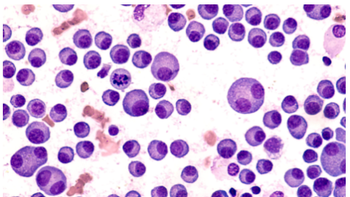
Most patients had improved clinical response within 90 days of receiving the dendritic cell vaccine and ASCT.

As the resident medication experts, pharmacists are qualified to answer any medication-related questions and conduct data analyses.
Tune in to this episode of the Independent Rx Forum to gain a comprehensive understanding of the enduring significance of independent and community pharmacies.

Physical symptoms of burnout can include headaches, digestive problems, sleep disturbances, and increased susceptibility to illnesses due to a weakened immune system.

Datopotamab deruxtecan (Dato-DXd; AstraZeneca, Daiichi Sankyo) also demonstrated improved overall survival compared to chemotherapy.

Only 1% of children experienced obesity remission and lower socioeconomic status was connected to a worsened trajectory.

An increase in cannabis use has led to growing concerns surrounding interactions between its components, THC and CBD, and prescription medications.

To promote positive mental health outcomes, researchers urge for policy interventions that focus on home connectedness, peer friendship, and school climate while avoiding full school closures.

Testosterone may protect the brain against dementia pathology, but the association has not been proven.

Nivolumab has also demonstrated efficacy in immunotherapy-based combinations for the treatment of certain types of melanoma and bladder cancers.

Chemotherapy, medication for attention deficit/hyperactivity disorder, glucagon-like peptide-1 agonists for weight loss and diabetes, and local anesthetics were among the drugs most affected by shortages.
Empagliflozin (Jardiance) demonstrated a 28% relative risk reduction, with an absolute risk reduction of 3.6% per patient-year at risk in the treatment of chronic kidney disease.

The people who come to the community pharmacy represent the surrounding population at large, making the pharmacy an ideal place to identify and recruit underrepresented patients.

The House Committee members examined pricing tactics by PBMs and how they are harming patients across the country.
Monoclonal antibody treatment resulted in suppression of HIV for more than 3 months, with some continuing to suppress the virus for more than 18 months after treatment stopped.
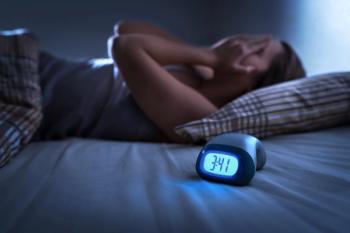
Standard amount of pre-workout should be taken at least 13.2 hours before bedtime to avoid sleep disruptions; however, there was no cut-off time for a cup of black tea.

Tune in to this episode of Pharmacy Focus to gain a deeper understanding of the AAPT Fall Seminar, the evolving landscape of pharmacy practice, and the crucial roles played by pharmacy technicians.