

Acalabrutinib shows improved safety and survival rates in chronic lymphocytic leukemia (CLL), reducing risks of mortality and cardiovascular complications.
Acalabrutinib shows improved safety and survival rates in chronic lymphocytic leukemia (CLL), reducing risks of mortality and cardiovascular complications.
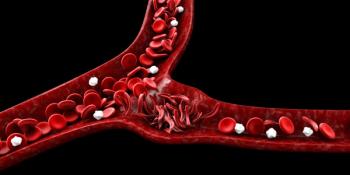
The designation is supported by promising results from the ongoing phase 1/2 BEACON clinical trial.

Pharmacists explore kratom's potential benefits and risks, emphasizing the need for education on its effects, safety, and patient guidance.
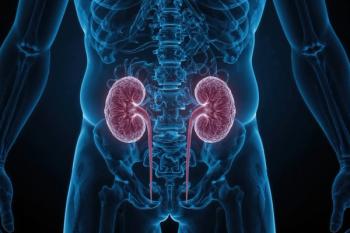
A collaborative care model enhances education and management for patients with chronic kidney disease, improving outcomes and understanding.

Stiff Person Syndrome has unique complexities, necessitating the role of pharmacists in managing its symptoms and treatment options.

Vitamins D and K work together to enhance bone strength and cardiovascular health, ensuring optimal calcium regulation for overall wellness.

Oncology pharmacists can lead value-based care integration under EOM with data-driven strategies.

Scott A. Soefje, PharmD, MBA, BCOP, FCCP, FHOPA, discusses how Medicaid payment changes could impact rural hospitals and local pharmacies, noting the importance of pharmacists staying involved as the situation develops.
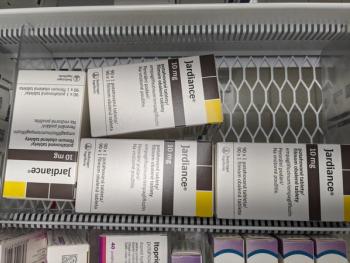
The number of patients prescribed SGLT2 inhibitors is growing.

Elicio Therapeutics' ELI-002 2P cancer vaccine shows promising survival benefits in patients with pancreatic and colorectal cancer, enhancing immune responses.
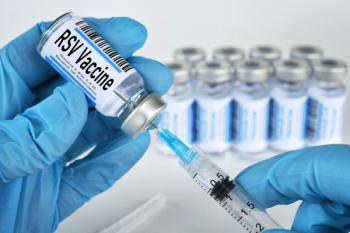
RSV vaccination rates among older adults remain low despite new vaccines, highlighting disparities in uptake and the need for targeted outreach.
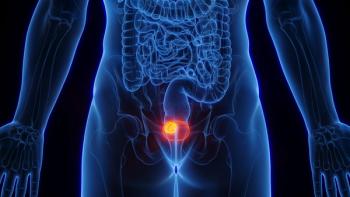
TAR-200 shows promise in treating BCG-unresponsive bladder cancer, achieving 82% tumor elimination and offering new hope for patients.

Weight loss before IVF enhances pregnancy chances for women with obesity, potentially improving reproductive outcomes and fertility success rates.

Health care automation enhances efficiency, yet medication inventory visibility remains a challenge.
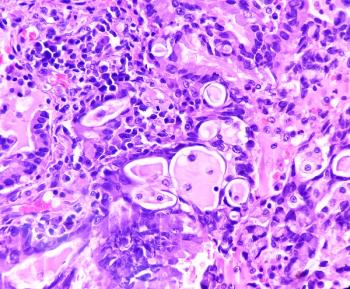
New research links high perilipin 2 expression in lung adenocarcinoma to aggressive disease progression and shorter survival, highlighting potential treatment targets.

In children and adolescents with overweight and obesity, exercise was demonstrated to reduce risk factors associated with cardiovascular disease, such as lipid and triglyceride levels.

By improving low-density lipoprotein cholesterol (LDL-C) levels, statins reduced complications after pipeline embolization device implantation for intracranial aneurysms.

Explore effective solutions for managing dry mouth, teething discomfort, dental abscess pain, and proper denture care in this comprehensive guide.

BV-R2 combination shows survival benefit across high-risk subgroups.

The JD Power 2025 US Pharmacy Study reveals rising satisfaction with mail-order pharmacies and supermarkets, driving a shift in prescription fulfillment preferences.

Natural compounds like Prunus armeniaca and bee venom enhance breast cancer treatment, boosting efficacy and reducing adverse effects.

Brensocatib emerges as the first FDA-approved treatment for non-cystic fibrosis bronchiectasis, revolutionizing care and targeting chronic inflammation.
New research reveals that novel biomarkers enhance risk prediction for kidney failure and mortality in chronic kidney disease (CKD), paving the way for personalized treatment.

Pharmacists play a crucial role in improving vaccination rates among patients with cancer, addressing barriers, and enhancing patient education in oncology care.
Host Craig Beavers reviews key studies and insights from the upcoming ESC Congress 2025, focusing on groundbreaking research in cardiology and treatment advancements.

Pharmacists help connect patients with the correct resources and help remove barriers so patients can receive continuous care.

Oncology pharmacists could be canaries in the coal mine of health care systems.

Prompt identification and appropriate clinical intervention are critical.
Glofitamab-GemOx improves survival in transplant-ineligible patients with R/R DLBCL.
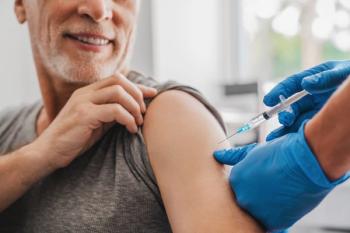
In a phase 3 trial, V116 demonstrated significant immunogenicity in older adults who had not before received a pneumococcal vaccination.