

Studies have shown that the presence of advanced pharmacy technicians in a pharmacy has a positive predictive validity to increased monthly immunizations.
Studies have shown that the presence of advanced pharmacy technicians in a pharmacy has a positive predictive validity to increased monthly immunizations.

Food pharmacies, in particular, can be a great opportunity for pharmacists to collaborate with other providers, improve access to nutritious foods, and find unique opportunities to counsel patients.

Shared decision making with patients is a key component of RSV vaccination, which can bring challenges and opportunities.

In addition to improved efficacy, newer generations of anti-obesity medications have significantly improved safety concerns.

Sa'ed Al-Olimat, PharmD, also discussed the potentially groundbreaking shift for MDMA expected later in 2024.

Pharmacogenomics could help streamline prescribing and dosing for psychiatric medications, avoiding the trial-and-error process common with these medications.

Pharmacists can educate patients on current clinical evidence of cannabis’s therapeutic benefit, as well as cannabis’s complexities, risks, and potential adverse effects.
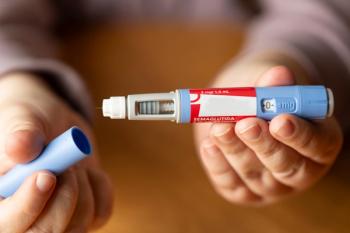
Expert Jennifer Clements discussed the evolving landscape of weight management medications, clinical considerations, and obstacles to use.

Bempedoic acid (Nexletol; Esperion) and bempedoic acid and ezetimibe (Nexlizet; Esperion) are the only LDL-C lowering non-statin drugs indicated for primary prevention patients.

The treatment is indicated for patients with FRα-positive, platinum-resistant epithelial ovarian, fallopian tube, or primary peritoneal cancers.

As more states have legalized cannabis use—both medicinal and recreational—Sera said pharmacists’ roles in counseling will become even more important.

Holloway discusses gender-affirming care, the challenging current legal landscape, and in particular how pharmacists can best serve their patients who are transgender or gender diverse.

The company has announced that the first participants have also been dosed in the ATHLOS phase 3 clinical trial, investigating budesonide/glycopyrronium/formoterol fumarate (Breztri Aerosphere).

Positive data were presented at the 13th Meeting of the International Society of Pneumonia and Pneumococcal Disease in Cape Town, South Africa.

Identifying the best uses for these tools, whether in patient education, data collection, improving efficiencies, or other uses, could significantly improve the future of pharmacy.

A lack of equity in clinical research has direct impacts on patient care and outcomes

Providing evidence-based literature and resolving medication-related problems are strategies for improving acceptance of clinical recommendations

The FDA recommends the dosage of givinostat (Duvyzat; Italfarmaco, ITF Therapeutics) should be based on the individual’s body weight and administered twice daily with food.

Lakdawala and Vernon’s session discusses the changing landscape of hormonal contraception and pharmacists’ roles within it.

Cranberry extract improved speed in the 1500-meter time trial by 1.5%.

When considering community-acquired pneumonia alone, the PCR test identified 113 bacterial detections compared with 57 for the standard of care test.

The data comes from 2 phase 4 trials, ENABLE and EMPOWER, which evaluated lanadelumab and the outcomes of treatment in adolescents with hereditary angioedema.

Rilpivirine (Edurant Ped; Johnson and Johnson) is indicated for the treatment of HIV in combination with other antiretroviral therapies in treatment-naïve pediatric patients.

As data continue to develop in this arena, β-lactam therapeutic drug monitoring is likely to become more routine, as it has with drugs like vancomycin and the aminoglycosides.

The FDA has only approved aprocitentan (Tryvio; Idorsia) in the 12.5 mg dosage as the effects were similar between the 25 mg and 12.5 mg dosages.

The BLA includes all indications for Xolair, including asthma, chronic rhinosinusitis with nasal polyps, immunoglobulin E-mediated food allergy, and chronic spontaneous urticaria.


Merck will also conduct clinical trials in both males and females to evaluate the efficacy of a single dose of their current human papillomavirus vaccine compared with the approved 3-dose regimen.

The agency is looking to regulate them as medical devices.

Methods of treating cervical intraepithelial neoplasia are limited and invasive. The need for better treatments is clear; however, there are several promising therapies under development.