

Cultivating balance and well-being is essential to prevent burnout and foster resilience for future practice.
Cultivating balance and well-being is essential to prevent burnout and foster resilience for future practice.
Bocunebart, a novel anti-PACAP antibody, targets a distinct neurological pathway from existing CGRP therapies.

Phase 3 METEOROID shows IL-6 blocker satralizumab cuts MOGAD relapses 68%, with rapid onset and placebo-like safety.
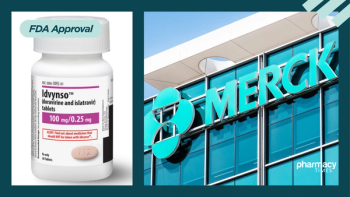
The approval of doravirine and islatravir marks a new 2-drug, once-daily oral option for HIV-1 management, with implications for treatment simplification, adherence, and pharmacist-led antiretroviral care.

PTCB credentialing elevates pharmacy technicians’ safety and career commitment, boosts patient trust, and enables efficient delegation—helping reduce medication errors in modern pharmacies.

Ferric carboxymaltose is effective and guideline-endorsed, yet underutilized due to high cost and system-level barriers.

A PharmD diploma is available to BSPh graduates based on time in education and training, licensure by examination, and an evolving professional curriculum.
Geopolitical conflict could affect drug manufacturing and global trade routes, with potential downstream impacts on medication costs and availability.
Cemdisiran’s RNA-targeting mechanism is a compelling new option in the generalized myasthenia gravis treatment landscape.

A new study supports the use of PREVENT equations in routine clinical practice, reinforcing their role in cardiovascular risk assessment and pharmacist-led prevention strategies.

The research highlights the influence of hormonal changes on treatment selection and the need for more tailored, life stage–specific care.

Pharmacy students can apply translational and clinical skills gained in their training to successfully transition into pharmaceutical industry roles.

Learn how pharmacists vet financial planners: CFP credentials, true fiduciary duty, fee transparency, and six questions to avoid costly mistakes.

The data, which were presented at the AAN 2026 Annual Meeting, support the agents’ neurological safety, but longer follow-ups and dedicated outcome trials are needed to confirm these findings.

A tailored APPE rotation combines practice exposures and guided reflections, fostering professional identity formation and personal growth in pharmacy students.

Phase 3 SYMPHONY clinical trial data show reboxetine eases narcolepsy type 1 symptoms, improving functional impairment due to excessive daytime sleepiness (EDS) as well as mood symptoms.

A federal directive to expedite FDA review and expand research pathways for psychedelic therapies signals a potential shift in mental health treatment.

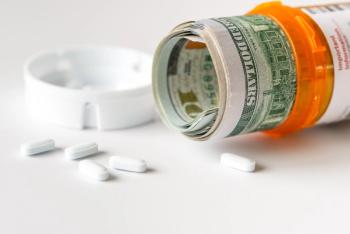
Lowering costs won’t improve health outcomes if the pharmacies dispensing those medications lack the authority, staffing, and infrastructure to function as clinical settings.

Oncology teams can address AI-driven cancer cures with empathy, evidence, and safer next steps to protect patients and trust.
Biological sex and societal gender factors independently—and differently—influence TBI mortality, discharge destination, and long-term cognitive recovery.
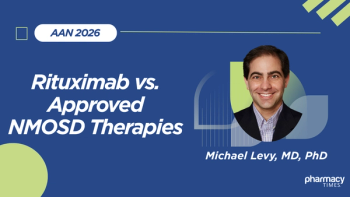
Despite the availability of 4 FDA-approved biologics, the majority of NMOSD patients remain on off-label rituximab.
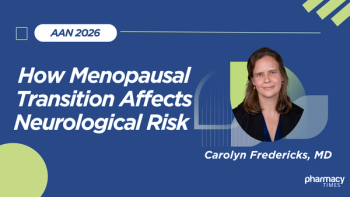
The menopausal transition alters brain circuitry and estrogen signaling in ways that may elevate risk for Alzheimer disease.
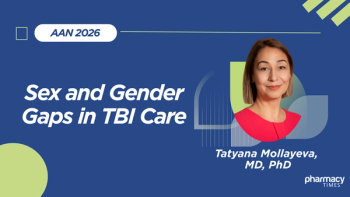
Sex and gender differences remain critically underrepresented in traumatic brain injury clinical guidelines.

Veterinary pharmacy blends human drug expertise with species-specific dosing, compounding, and One Health collaboration.
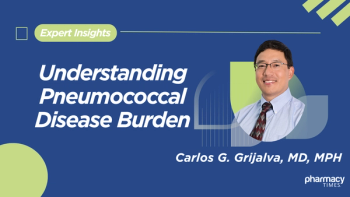
High pneumococcal community-acquired pneumonia burden in older adults highlights the critical role of pharmacists in driving 21-valent vaccine uptake and patient-centered prevention strategies.

FDA clears an oral TYK2 blocker for active psoriatic arthritis, delivering strong ACR20 gains with a familiar safety profile.

There is an increasing interest in de-escalation strategies for HER2-positive breast cancer aimed at decreasing toxicity exposure while maintaining efficacy.