

Additional risk factors included older age and advanced chronic kidney disease (CKD) stage.
Additional risk factors included older age and advanced chronic kidney disease (CKD) stage.

The new approval expands the portfolio of denosumab biosimilars, increasing access and improving costs for patients.

The decision is based on clinically meaningful results from a phase 3 trial.

Obinutuzumab is effective in reducing proteinuria and preserving kidney function in lupus nephritis, with consistent benefits across high-disease activity subgroups.

New results shed light on the ineffectiveness of the combination antiviral therapy in patients vaccinated against COVID-19.

ADI-101 targets CD20 for the treatment of autoimmune diseases and is advancing across 6 autoimmune indications.

Learning to strengthen and harness these skills is crucial to making the successful career transition from retail to a hospital pharmacy.

LAIs offer a variety of benefits, from improved medication adherence and relapse prevention to enhanced quality of life for individuals with schizophrenia.

In a clinical trial, tenecteplase was shown to be a comparable alternative to alteplase.

The decisions were made amid the United States worst flu outbreak in over 2 decades.

The feature is expected to be available to US users in late March 2025.

The data were released in the CDC’s Morbidity and Mortality Weekly Report.

Tuberculosis is a long-standing global health issue that requires continued public health vigilance to prevent a resurgence of this preventable and curable disease.

Pharmacists are integral to setting patient expectations, monitoring liver health, and ensuring adherence to long-term follow-up for optimal outcomes with etranacogene dezaparvovec.

Trastuzumab rezetecan is a novel antibody-drug conjugate.

The advanced therapy yielded superior enhanced mucus secretion compared with available therapies.
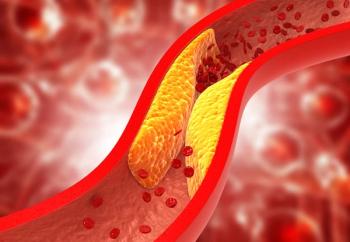
The results act as a contradiction to conventional wisdom of high-density lipoprotein (HDL) cholesterol being healthy and lowering the risk of heart disease, but more research is warranted.

RSV infection resulted in higher costs among specific age groups, especially patients aged 70 to 80 years.

The updated indication now includes pediatric patients aged 5 through 11 years.

Patients achieved an overall survival of 12.4 months.

Patients with metabolic dysfunction-associated steatohepatitis (MASH) receiving 300 mg of vitamin E daily presented improved steatosis, lobular inflammation, and fibrosis stages.
In this episode, Jill Simonian and Codi Peterson explore the evolving role of pharmacists in medical cannabis, addressing legal complexities, patient counseling, and key considerations for safe and effective use.

Health care professionals and patients must recognize that rapid administration of adrenaline is the only first-line treatment for anaphylaxis.

New drugs and collaborative care may be key to overcoming trial closures, weak guidelines, and inefficiencies.

If approved, gepotidacin (GSK) will be a new oral agent added to the treatment paradigm for urinary tract infections (UTIs).


Pharmacists play a crucial role in understanding and responding to these developments, ensuring patients remain informed about the latest advancements and potential threats.

Radon exposure during pregnancy was significantly linked to increased odds of gestational diabetes.

Glecirasib is a potent oral inhibitor of KRASG12C.

At week 8, significantly more children, adolescents, and adults who applied 1.5% ruxolitinib cream versus vehicle achieved IGA treatment success.