An increase of shingles vaccination was reported among individuals with asthma.

An increase of shingles vaccination was reported among individuals with asthma.

This marks the first and only therapy to receive this designation for Sjögren disease, which currently has no approved treatment.

Clinical trial analysis results studying VAD-44 in patients with hereditary hemorrhagic telangiectasia (HTT) will be presented at the 2024 American Society of Hematology Annual Meeting & Exposition.

Increased global capacity for surveillance could help monitor seasonal influenza to reduce the risk of vaccine mismatch and inform effective interventions.

Christine Formea, PharmD, MHI, BCPS, FCCP, FASHP, discusses the need for standardized pharmacogenomics education in pharmacy, highlighting opportunities for collaboration, professional growth, and integration of key competencies across curricula to advance the profession.

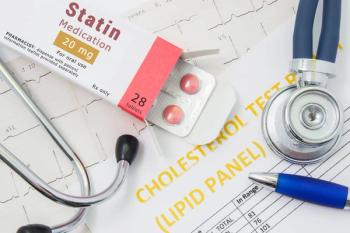
Harpreet Bhatia, MD, MAS, FACC, discusses emerging new approaches to lipid lowering therapies.

Pharmacists can bridge gaps through education, inclusive care, and streamlined access.

GNSC-001 is a first-in-class gene therapy designed to offer long-term relief of musculoskeletal diseases such as osteoarthritis.

Pharmacists can increase awareness about the value of monitoring glucose and the proper use of nonprescription blood glucose meters and continuous glucose monitors.

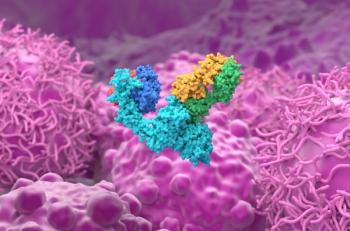
Abelacimab is an investigational, selective, fully human monoclonal antibody.

Lazertinib in combination with amivantamab displays positive outcomes for non–small cell lung cancer compared with standard first line treatment.

Factors such as age, race, marital status, years since diagnosis, and out-of-pocket costs show significance as predictors of quality of life.

Rachel Chandra, PharmD, MPH, FASHP, shares insight into the VALOR-QI program.

When compared to established diagnostic assays such as the basophil activation test, the Hoxb8 mast cell activation test demonstrates similar precision.

The encouraging results suggest this low-cost, scalable strategy should be considered for population-level outreach globally to improve flu vaccination rates.

Rachel Chandra, PharmD, MPH, FASHP shares methods for improving adherence to lipid lowering therapies discussed at the AHA 2024 Scientific Sessions.


The pipeline of hallucinogenic and nonhallucinogenic psychedelic medicines is exploding.

The disorder presents as severe lung disease, with lung transplantation as the only current therapeutic option for long-term survival.

This quality improvement initiative demonstrates that pharmacies were unable to use performance reports provided by the payer to improve performance scores and decrease direct and indirect remuneration (DIR) fees.

Adaptability, teamwork, and a culture of lifetime learning are required virtues in our rapidly evolving medical landscape.

Christian Ruff, MD, MPH shared the results of the AZALEA-TIMI 71 trial.

Leonard Egede, MD, MS, FACP discussed the association of historical redlining and contemporary structural racism on life expectancy.

Twice-yearly dosing could significantly improve adherence rates.

Rebekah Walker, PhD raises awareness of the long-lasting health implications caused by historic redlining.

Value-based payment models are becoming increasingly common, leading clinicians to find novel ways to engage patients and improve disease control with the goal of reducing morbidity, mortality, and cost.

Within the Veterans Health Administration System, primary care pharmacists are embedded in primary care panels and work alongside primary care physicians and nurses to optimize medication management for patients.

Improving collaboration and communication between all members of the health care team is one way to address these challenges.

Milind Desai, MD, MBA shares insight into the REMS program for patients with obstructive hypertrophic cardiomyopathy.

This is the first trial that tested the effect of any medication on major heart failure outcomes in patients with HFpEF and obesity, according to investigators.