

Statin use is not associated with a change in incident chronic kidney disease (CKD) and estimated glomerular filtration rate in adult patients aged 65 and older.
Statin use is not associated with a change in incident chronic kidney disease (CKD) and estimated glomerular filtration rate in adult patients aged 65 and older.

The diabetes treatment landscape is rapidly evolving, with new combination therapies and oral GLP-1 medications, positioning pharmacists to have an important role in personalizing care.

The approval includes indications for rheumatoid arthritis, giant cell arteritis, polyarticular juvenile idiopathic arthritis, systemic juvenile idiopathic arthritis, and COVID-19.

Donna Ryan, MD discusses GLP-1 medications and new developments on the horizon, while providing some best practices for patients initiating treatment, including important nutritional and lifestyle changes,

Atopic dermatitis significantly impacts quality of life, and requires personalized management through trigger identification, skin barrier maintenance, and a range of topical, oral, and biologic therapies to reduce symptoms and prevent flare-ups.

The drug is a selective NaV1.8 pain signal inhibitor and is the first new class of medication to treat acute pain in over 20 years.

Meloxicam and rizatriptan reduces migraine pain and help patients return to normal functioning with efficacy through 24 to 48 hours after a single dose for some patients.

Digoxen is the active ingredient found in the foxglove plant and is commonly used to treat heart failure.

Apitegromab is a muscle-targeted therapy for improvement of motor function in individuals with spinal muscular atrophy.

Lu-edotreotide (ITM-11; ITM) met its primary endpoint of prolonging progression-free survival (PFS).

Hypertrophic cardiomyopathy is caused by abnormal genes in the heart muscle, causing the left ventricle to become thicker and effecting blood flow.

Children and adults with cancer have differing immune system responses, mutational burdens, and tissue microenvironments.

Melody Chang, RPh, MBA, BCOP, explains how American Oncology Network leveraged its experience with the Oncology Care Model to address challenges when adopting the Enhanced Oncology Model.

The overall survival data were immature at the primary analysis of the study.

Diagnosing anemia, a serious and common complication of patients with myelofibrosis, could be made easier with the use of red cell distribution width assessment.

Additionally, the authors observe that childhood-onset epilepsy is associated with an earlier age at the onset of amyloidosis.

The court also addressed the employer’s basis for ordering a drug test.

Pharmacists can improve hyperkalemia management through collaboration and innovation.

The supplemental new drug application is based on objective response rate and duration of response results from a phase 2 study that assessed the efficacy and safety of belzutifan.
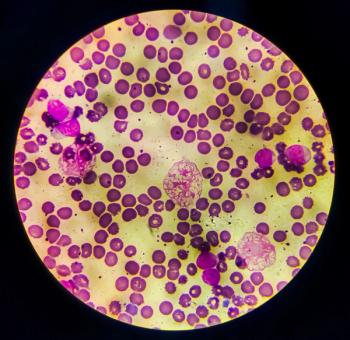
Leukemia biology may predict patterns of blinatumomab failure after initial response.

This marks the first US biologic license application filing acceptance for a biosimilar candidate to golimumab.
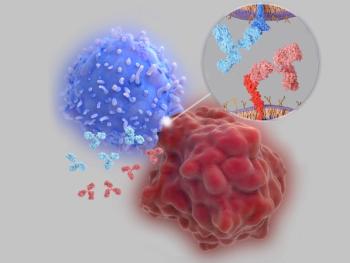
As lung cancer cases rise, there is a significant need for therapeutic options that meet the challenges and needs of individual patients.

Data indicates fedratinib’s role as an effective second-line treatment in patients with myelofibrosis who have been previously treated with a JAK inhibitor, such as ruxolitinib, though more research is necessary.

This follows the approval of everolimus tablets for patients aged 1 and older in January 2025.

MB-105 is a first-in-class CD5-targeted chimeric antigen receptor (CAR) T-cell therapy for the treatment of relapsed or refractory CD5-positive T-cell lymphoma.

Through similar targeting of the RdRp enzyme, these treatments could offer groundbreaking new options for patients with COVID-19 if proven effective in real-world trials.

Isatuximab is a CD38-targeting monoclonal antibody that has demonstrated significant clinical success in improving minimal residual disease rates and progression-free survival.

The authors note that transferrin saturation levels may be a modifiable risk factor of chronic kidney disease (CKD) progression and all-cause mortality.

Gender-affirming care and inclusive practices are essential for health equity.

In 2025, medically integrated dispensing pharmacies face significant challenges, including low reimbursements, restrictive pharmacy benefit manager practices, complex therapies, regulatory barriers such as the Stark delivery law, and the Inflation Reduction Act's financial implications, necessitating urgent advocacy, reform, and collaboration to sustain equitable, patient-centered cancer care.