

Compared with other indicators of cardiovascular risk, the ratio of non-high-density lipoprotein cholesterol (HDL-C) to normal HDL-C had a stronger association with the risk of hypertension and heart disease.
Compared with other indicators of cardiovascular risk, the ratio of non-high-density lipoprotein cholesterol (HDL-C) to normal HDL-C had a stronger association with the risk of hypertension and heart disease.

Even for patients with myelofibrosis who could otherwise proceed directly to hematopoietic cell transplantation, pre-transplant treatment with ruxolitinib led to improved survival benefits.
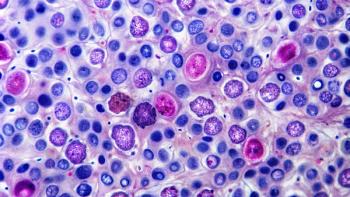
This CAR T-cell therapy has revolutionized the management of high-risk and relapsed or refractory disease.

Pharmacists must consider drug Interactions, allergies, and comorbidities when treating patients with urinary tract infections (UTIs).

When educating patients, emphasize the importance of buying drugs from only licensed pharmacies.

Fred Saad, MD, discussed findings from the phase 3 ARANOTE and ARASENS trials.
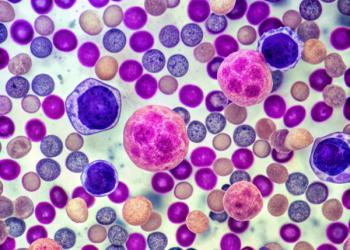
Risk stratification remains a challenge when selecting patients for treatment of smoldering multiple myeloma.

The newly-approved intrauterine device (IUD) prevents pregnancy in people of reproductive potential for up to 3 years.

Clinical pharmacists can optimize treatment through effective medication management and therapeutic drug monitoring.
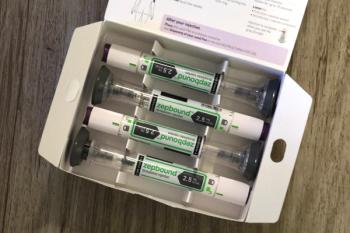
New options for tirzepatide provide a transparent, out-of-pocket choice for patients by streamlining the supply chain and bypassing insurance.

Although tenofovir amibufenamide and tenofovir disoproxil fumarate (TDF) had similar effects, the former resulted in better renal safety and did not impact lipid levels.

Research has demonstrated a reduction in hospitalization risk associated with the use of LAIs, but some barriers can prevent the wider adoption of this approach.

Pembrolizumab is a humanized monoclonal antibody that targets PD-1.

The ongoing "quad-demic" of influenza, norovirus, RSV, and COVID is creating heightened health risks, making prevention through hygiene, masking, and vaccination critical.

Intravenous immunoglobulin therapy for patients with CIDP requires navigating insurance coverage and prolonged therapy.
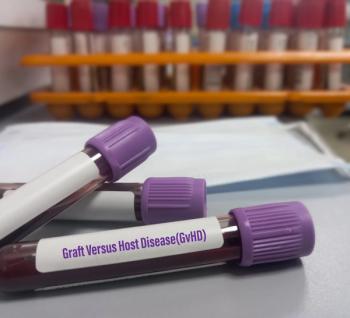
Pharmacists play a crucial role in medication management for these complex patients.


The administration of immunotherapy in adjuvant, neoadjuvant, and perioperative settings offers distinct benefits and challenges in resectable cancers, with recent clinical trials highlighting its potential to improve long-term outcomes and the need for further research into biomarkers and combination strategies.

The label changes to buprenorphine extended-release injections can increase convenience and adherence for patients with moderate to severe opioid use disorder.
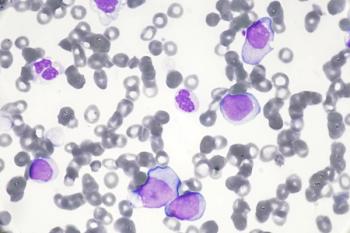
The drug solidifies its place as a first-line treatment option in AML.

Phil Vigeant shares benefits and considerations of plant-based protein powders, highlighting the pharmacist's role in recommending quality plant-based protein powders.

The authors note that this lack of inclusion can leave important safety and efficacy questions unanswered.

The designation is supported by pooled data from 4 clinical trials.

Nadofaragene firadenovec led to most patients with Bacillus Calmette-Guérin-unresponsive non-muscle invasive bladder cancer (NMIBC) experiencing a complete response (CR) at 3 months.

Levonorgestrel-releasing intrauterine devices were not found to increase women’s risks of these conditions.

Lawsuits were initiated against the pharmacy and prescriber.

According to Pranav Garimella, pharmacists are essential in counseling patients with CKD on the appropriate use of semaglutide.
The FDA’s accelerated approval of lifileucel (Amtagvi; Iovance Biotherapeutics) marks a major milestone in immunotherapy for metastatic melanoma, building on decades of research in tumor-infiltrating lymphocyte therapy.
Immunotherapy pioneer James P. Allison, PhD, revolutionized cancer treatment by discovering immune checkpoint blockade, leading to significant advances in survival rates and ongoing efforts to optimize immuno-oncology strategies.

Advancements in neoantigen vaccines and immunotherapy are transforming cancer treatment by leveraging genomic sequencing to overcome tumor heterogeneity and therapeutic resistance.