
Study indicates that patients with asthma should continue taking their asthma medications during the COVID-19 pandemic.
Study indicates that patients with asthma should continue taking their asthma medications during the COVID-19 pandemic.

Alterations in the amino acid profile of children with attention-deficit hyperactivity disorder may support further research into potential new treatment strategies.

The results of a recent Aging-US study show that these additives provide anti-inflammatory and neuroprotective glial subpopulation benefits.

Following a phase 2 study, Moderna submitted initial data to the FDA for the approval of its COVID-19 booster shot that would be administered 6 months after an individual’s second dose.

Calls to poison control centers regarding the use of ivermectin for the prevention or treatment of COVID-19 have increased 5-fold since its baseline before the COVID-19 pandemic.

A study found individuals receiving probiotics had a decrease in C. difficile diagnosed in stool samples than those who did not receive probiotics.

Umeā University in Sweden finds a connection between the two, due to the intestinal micobiome.

Vaccinations are a huge success story in global health care and have helped eliminate smallpox and nearly eradicate polio.

The FDA has approved a second drug, zanubritinib, for the treatment of adult patients with Waldenström’s macroglobulinemia.

In addition to changing the organization's mission and vision, strategic planning actually helps define the business.

Compared to women who followed the Portfolio Diet less frequently, those with the closest alignment were 11% less likely to develop any type of cardiovascular disease, 14% less likely to develop coronary heart disease, and 17% less likely to develop heart failure.

The study authors note that they cannot conclude that there is a causal relationship between the COVID-19 vaccines and any of the individual incidents of Bell palsy reviewed.

AZD7442 reduced the risk of developing symptomatic COVID-19 by 77% compared to placebo.
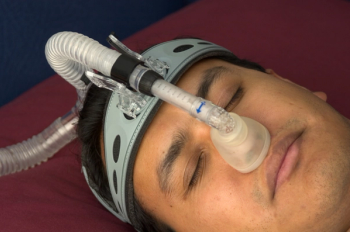
Inspiratory muscle training was originally devised to be used by athletes and individuals with breathing problems such as chronic obstructive pulmonary disease, asthma, and bronchitis.
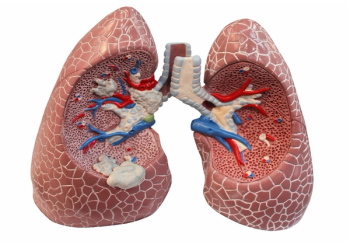
Ten quiz questions to assess your knowledge on common treatments for chronic obstructive pulmonary disease.
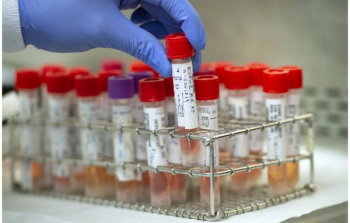
Lab values for sodium, potassium, chloride, magnesium, BUN, creatinine, glucose, and CO2.

Individuals with COVID-19 were more likely to be asymptomatic if they contracted the virus from a primary case that was also asymptomatic.

Atezolizumab was granted accelerated approval for the mTNBC indication in March 2019, making it the first immunotherapy agent to be approved in this setting.

Published results indicate that marriage, urban living put people less at risk for cardiovascular problems.

The FDA's green light for the Alzheimer medication is worrisome, as clinical trials proved inconclusive.

Christie Boutte, PharmD, RPh, also discussed how the FDA approval gives pharmacists more tools to encourage patients who may be hesitant about vaccination.

Collaborative efforts between patients, physicians, pharmacists, and other essential personnel can further promote the effectiveness of PrEP regimens.

Peptides that cause migraine pain can influence insulin production in mice, possibly by regulating the amount of secreted insulin or by increasing the number of pancreatic cells that produce it.

Further, their status was evaluated at 14, 21, and 28 days after treatment, and at each point, the numbers of hospitalization were significantly lower in the treated group.
According to the CDC, immunization against deadly diseases saves 2 million to 3 million lives per year.
The investigators, from Washington University School of Medicine in St. Louis, note that the responses measured were one-third as strong as those mounted by healthy individuals.

The FDA has also converted the indication for pembrolizumab from an accelerated to a full, regular approval for patients with urothelial carcinoma.
FDA’s green light for biopharmaceutical company’s drug candidate builds upon previous approval to treat pancreatic cancer.

The Pharmacy Times® Pharmacy Focus podcast provides the latest industry news and information, thought-leader insights, clinical updates, patient counseling tools, and innovative solutions for the everyday practice and business of pharmacy.

Pharmacy Times spoke with Ilisa Bernstein, APhA senior vice president, Pharmacy Practice and Government Affairs, about the latest FDA approval of the Pfizer-BioNTech COVID-19 vaccine.