FDA Approves Insulin Icodec-abae, First Once-Weekly Basal Insulin for Adults With T2D
Insulin icodec-abae injection becomes the first and only once-weekly basal insulin option, offering personalized care for adults with type 2 diabetes (T2D).

Insulin icodec-abae injection becomes the first and only once-weekly basal insulin option, offering personalized care for adults with type 2 diabetes (T2D).
New data, emerging targets, and evolving ADC use are reshaping second-line decisions.

Experts discuss the 340B Pricing Program, sharing updates, ongoing challenges, and solutions for pharmacists.

ABBV-744 BD2-selective BET inhibitor shows early spleen and symptom gains with manageable cytopenias in a phase 1b trial.

Matthew Warrick, PharmD, BCPS, BCOP, discusses mechanisms, safety nuances, and practical considerations shaping bispecific antibody use in lymphoma care.

Jacinda “JAM" Abdul-Mutakabbir, PharmD, MPH, discusses the adult burden of respiratory syncytial virus (RSV) and the critical role of pharmacists in vaccine access and education—especially for marginalized populations.

A panel of neurology pharmacy specialists discusses the expanding clinical role of pharmacists in multiple sclerosis care.

The FDA ramps up action on compounded GLP‑1 weight‑loss drugs, targeting telehealth ads as Novo Nordisk sues Hims & Hers and regulators hint at seizures.

Late-stage Lyme disease vaccine candidate VLA15 boosts immunization hopes as tick infections rise.

Tarlatamab, a DLL3 T‑cell engager, advances treatment of extensive‑stage SCLC.

Insights from the 2026 HOPA Annual Conference highlight the pharmacist's role in operationalizing belantamab mafodotin.

Key risks, overlooked toxicities, and real-world monitoring strategies for bispecific T-cell engagers.

Oncology pharmacist Emma Jones, PharmD, BCOP, outlines how clinicians can recognize and manage these complex cases.

The approval is a milestone for rare disease that has lacked treatments capable of crossing the blood-brain barrier and introduces a new class of agent that pharmacists will need to understand.

A dual-center retrospective study compares 2 fludarabine washout strategies to assess their impact on neutrophil engraftment, infections, growth factor use, and hospital length of stay.

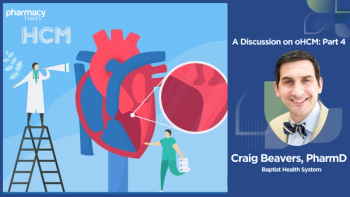
Craig Beavers urges pharmacists to engage with obstructive hypertrophic cardiomyopathy (oHCM) management and explains how the alignment between mavacamten's clinical trial data and real-world outcomes validates its role as a safe, effective, and sustainable long-term therapy.

The indication is for patients who have received 1 to 3 prior systemic treatment regimens, of which at least 1 includes bevacizumab.

Disha Patel, PharmD, discusses current data on G-CSF use during HiDAC consolidation for AML, addressing relapse concerns, infection risk, clinical decision-making, and why practice patterns remain divided across institutions.

Albuminuria (uACR) flags early vascular damage linking chronic kidney disease and cardiovascular risk.

Independent pharmacies produce some of health care’s most valuable data, yet much of the profit and power they create bypasses the pharmacies entirely.

A new 2026 American Heart Association study shows COVID-19 infection sharply raises heart attack risk, whereas vaccination appears safe—key guidance for patient counseling.

Ahead of the Sports Pharmacy Summit, a pharmacist weighs GLP-1s for athlete weight management benefits.

Pharmacists play a key role in modern obesity care through education, access support, and collaboration.

Long-acting HIV injections and twice-yearly PrEP reshape care, while pharmacists tackle stigma, insurance hurdles, and adherence to close access gaps.

Clinical pharmacists reshape PBMs with medication optimization, cutting drug spend and improving outcomes through smarter, safer prescribing.

Swapping 30 minutes of teen sedentary time for vigorous activity or extra sleep cuts insulin resistance by 15%, aiding type 2 diabetes (T2D) prevention.

Joseph Saseen, PharmD, breaks down how the new PREVENT ASCVD calculator improves on its predecessor and what the expanded LDL-C goal framework means for treatment decisions in pharmacy practice.

Pharmacists guide HR+ breast cancer CDK4/6 therapy, tackling interactions, costs, and toxicity monitoring, and applying new clinical trial insights.

From bispecifics to real-world evidence, Amy Seung previews the science, community, and advocacy opportunities defining this year's meeting.