
In PD-L1-positive patients, tislelizumab improved median overall survival by 3.5 months with a 46% decrease in the risk of death compared with chemotherapy.
In PD-L1-positive patients, tislelizumab improved median overall survival by 3.5 months with a 46% decrease in the risk of death compared with chemotherapy.

Jonathan Strosberg, MD, section head of the Neuroendocrine Tumor Program and vice president of Medical Oncology at the Moffitt Cancer Center, gives an overview of the phase 3 trial assessing lutetium Lu 177 dotatate for midgut neuroendocrine tumors.

New research presented at the American Society of Clinical Oncology 2021 annual meeting has found encouraging results with the use of 177Lu-PSMA-617 in patients with advanced prostate cancer.

Andrea Apolo, MD, a Lasker clinical research scholar and head of the Bladder Cancer Section at the National Cancer Institute, detailed some of the AEs experienced by patients with aRCC who were given either nivolumab plus cabozantinib or sunitinib.

Results from the phase 3 TITAN study shows a combination therapy that includes apalutamide may achieve survival benefit without significant burden of adverse effects.
Andrea Apolo, MD, a Lasker clinical research scholar and head of the Bladder Cancer Section at the National Cancer Institute, explained how the phase 3 CheckMate 9ER trial was conducted in order to assess the outcomes by baseline disease characteristics for patients with aRCC.

Andrea Apolo, MD, a Lasker clinical research scholar and head of the Bladder Cancer Section at the National Cancer Institute, discusses her presentation on nivolumab plus cabozantinib versus sunitinib for aRCC.

Frequent prostate-specific antigen screenings may lower the risk of metastasis at the time of diagnosis and lower mortality risk from prostate cancer among younger African American men.

Rates of death among patients with breast cancer due to any cause were 31% higher in states with Medicaid income eligibility limits no greater than 50% of the federal poverty level.

This is the first and only oncology immunotherapy to show positive phase 3 results in the adjuvant lung cancer setting.

Other HPV-associated cancers were found to have increased over the study period, linking this trend to lack of guidelines and other resources.

Ripretinib is a kinase inhibitor indicated for adults with advanced GIST, approved by the FDA in May 2020.

Apalutamide in combination with ADT prolonged median OS by 14 months and decreased the risk of death by 22%. Further, median OS was significantly longer, with 73.9 months for patients receiving treatment with apalutamide in combination with ADT compared with 59.9 months for patients receiving placebo in combination with ADT.

The recent analysis of VB-111 was a phase 3 potential registration study conducted with 400 patients and 95 sites around the world.

“Providing quality of care in a field of cancer risk, genetics, and prevention revolves around 3 essential interdependent components,” said presenter Erin Wysong Hofstatter, MD.

At the 2020 ASCO Annual Meeting, speaker Leslie R. Ellis, MD, MSHPEd, FACP, discussed the results of studies in a session looking into current research on leukemia, MDS, and allotransplant.

Results of the COVID-19 and Cancer Consortium cohort study were presented during the virtual science program of the 2020 American Society of Clinical Oncology (ASCO) Annual Meeting.

A study found that nurse-led follow-up and mobile health app leads to improved relative dose intensity, patient experiences, hospitalizations and their duration, and the rate of treatment-related grade 3 or higher toxicities.

The presence of ongoing SHM or CSR in the context of CLL may support the functionality of DNA damage repair pathways, with potential relevance to therapeutic strategies.

Osimertinib is a third-generation EGFR tyrosine kinase inhibitor and is approved in the United States for first-line treatment of patients with metastatic NSCLC with tumors that have EGFR mutations (exon 19 deletions or exon 21 L858R mutations).

This study was the first to demonstrate efficacy of front-line treatment in the period after initial chemotherapy.

The results of the new study were presented during the virtual scientific program of the 2020 American Society of Clinical Oncology (ASCO) Annual Meeting.

Daunorubicin and cytarabine liposome for injection is a dual-drug liposomal encapsulation of cytarabine and daunorubicin approved by the FDA and EMA for the treatment of adults with newly diagnosed therapy-related AML or AML with myelodysplasia-related changes.

The recent analysis studied 400 patients with thoracic cancers who received chemotherapy within 3 months of being diagnosed with COVID-19.
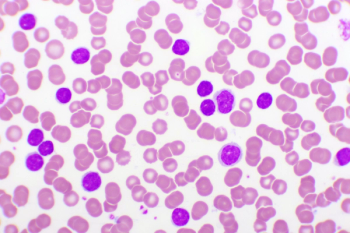
At the 2020 American Society of Clinical Oncology Virtual Scientific Program, researchers presented a recent study that is the largest to date analyzing CLL treatment patterns among VHA patients between 2013 and 2018.

Trastuzumab deruxtecan (T-DXd) (Enhertu) demonstrated strong efficacy in a phase 2 trial for treatment of HER2-positive metastatic breast cancer.

Treatment with avelumab (Bavencio) potentially cured 8 of 15 women in a trial with gestational trophoblastic tumors resistant to single-agent chemotherapy.

In 2017 alone, there was an estimated 785 fewer cancer deaths in states that adopted Medicaid expansion.

At 5 years follow up, the data showed that the OS for women on olaparib was 42.1%, while the placebo OS was 33.2%.

Lenvatinib (Lenvima, Eisai) plus pembrolizumab (Keytruda, Merck) showed significant response rates in unresectable hepatocellular carcinoma and in patients with metastatic clear cell renal cell carcinoma who progressed following immune checkpoint inhibitor therapy.