



























































































Although the use of dietary supplements is growing, exact data describing who takes what are difficult to find.
Although the use of dietary supplements is growing, exact data describing who takes what are difficult to find.

Bethel Nutritional Consulting, Inc, is voluntarily recalling 1 lot of both SLIM-K Capsules and B-Lipo Capsules due to undeclared drug ingredients in each product.

Routine pediatric multivitamin use is not endorsed by any major medical association because it is considered unnecessary for almost every young patient. Regardless, many parents rely on multivitamins for their children, especially in households where balanced nutrition is difficult or impossible due to time or money constraints.

Bariatric surgery patients may require vitamin A supplementation to avoid ophthalmic complications.


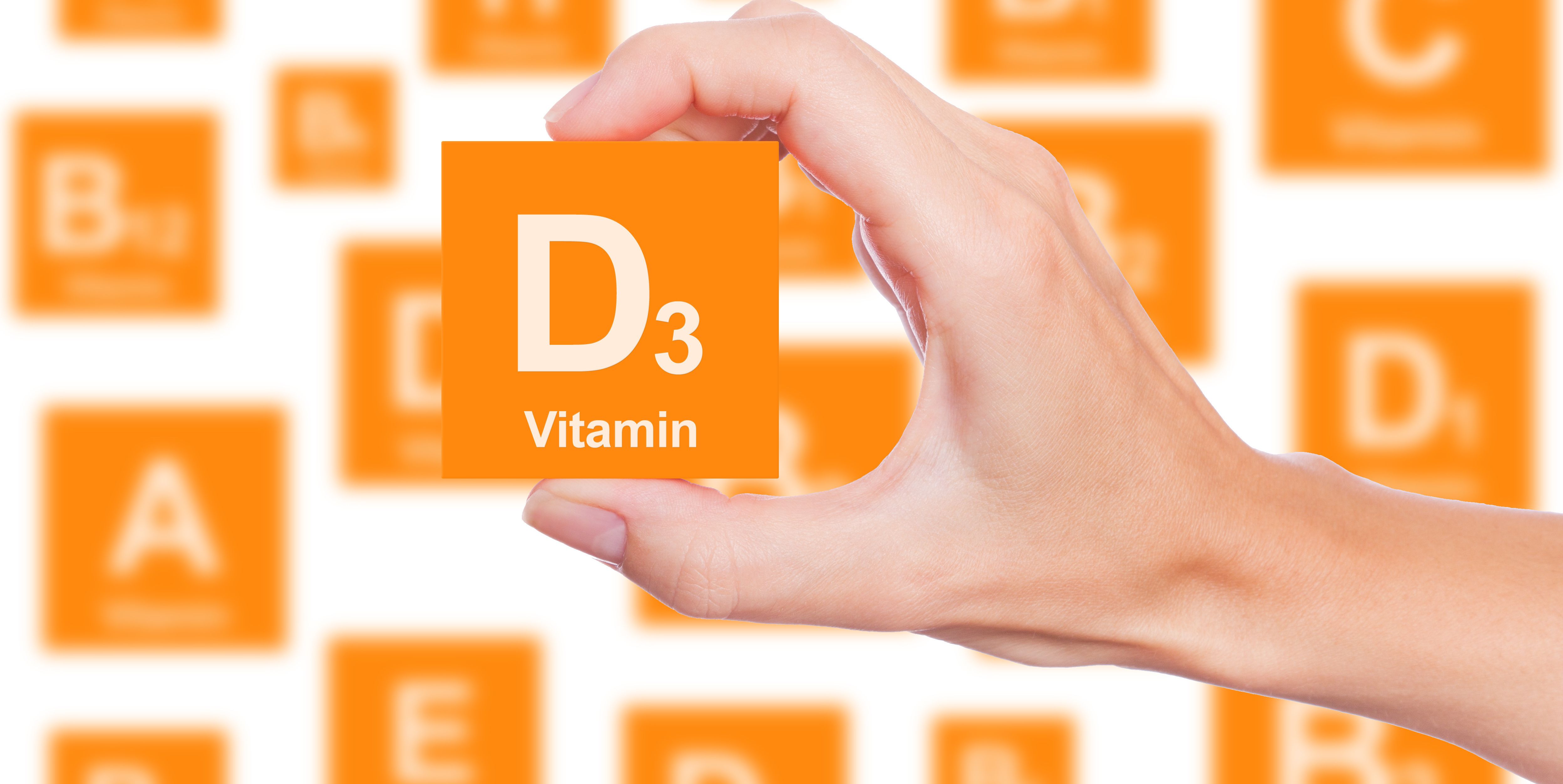
The media has been quick to discuss research findings on vitamin D supplementation's potential role in combating osteoporosis, correcting deficiency in chronic kidney disease, improving heart health, and extending life, which raises the question of whether patients should be screened routinely for vitamin D deficiency.
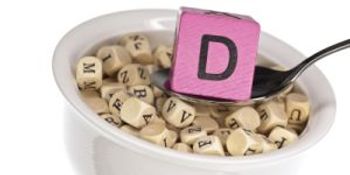
Vitamin D supplements can reduce the severity and duration of chronic obstructive pulmonary disease flare-ups by more than 40%.

Vitamin D may have a regulative role in seasonal affective disorder development.

Up to 15% of patients who receive a statin experience muscle pain, for which clinicians have only a few options: prescribing a different statin, reducing the dose of the current statin, or stopping statin therapy entirely.
Vitamin D deficiencies are causally associated with increased mortality rates.

Compared with a one-size-fits-all approach, personalized dietary recommendations based on an individual's genetic makeup improve his or her eating habits.

Although most pharmacies carry a line of natural products, patients often turn to the Internet to find information on those supplements and purchase them.

Vitamin B12 and folic acid supplementation does not improve cognitive performance in elderly patients with elevated levels of an amino acid linked to Alzheimer's disease and memory loss.

Pharmacist-based nutrition support teams play a crucial role in correcting vitamin deficiencies in hospitalized patients.

A comprehensive, policy-driven approach to decreasing food access disparities is needed to improve disabled Americans' diets.
Asthmatics with vitamin D deficiency are significantly more susceptible to acute asthma attacks.
Supplements sold after FDA recalls are still contaminated with banned pharmaceutical ingredients.
A new study indicates that high doses of fish oil supplementation fails to prevent the recurrence of atrial fibrillation.

Neuroprotective nutrients appear to enhance cognition, memory, and other impaired functions seen in patients with Alzheimer's disease.
Study shows administration of high-dose vitamin D to intensive care unit patients did not significantly reduce length of hospital stay or hospital mortality.

A multidisciplinary group of medical and nutrition experts hopes to shed light on misconceptions about vitamin and mineral supplementation.
Research suggests that vitamin D supplementation may boost skeletal muscle function and enhance athletic performance.

Selenium and vitamin E supplementation will not prevent cataracts in men, a new study suggests.

Postmenopausal women who consume adequate amounts of potassium have reduced stroke risk.
Patients with restless legs syndrome saw significant improvement in symptoms after vitamin D supplementation.