





Mental Health
Latest News
Advertisement
Latest Videos


























































































Advertisement
More News

There are 3 main medication-related issues for mental health care, which includes polypharmacy, nonadherence to prescribed medication, and underutilization of medications.

A specialist in adult, child, and adolescent psychiatry discusses the challenges in ADHD treatment for both patients and providers, as well as insights from a recent survey of health care professionals.

In the clinical setting, psychedelic medicine has promise as a safe and efficacious treatment for PTSD, TBIs, and other mental health issues.

Adolescents with mental health conditions must be monitored as they are at a higher demand for the need of mental health care.

Study Uses Data to Examine Mental Health Trends in Patients With HIV Before, After COVID-19 Outbreak
Study shows that interventions may help to personalize care that meets the individual needs of patients with HIV and to improve mental health outcomes.

Patients under the care of psychiatric facilities, particularly those taking antipsychotic and antidepressant medications, face the risk of prolonged QTc intervals.

With walkouts across the country and other efforts to raise public awareness, pharmacists are working to find solutions to understaffing and workload challenges.

Within this care model, pharmacists can serve an important role in caring for patients, whether it is identifying adverse medication interactions or pushing patients to seek additional support.

Individuals treated with esketamine were more likely to reach remission and remain relapse-free at 8 weeks of treatment.
Use of antidepressants and other classes of prescription drugs can increase the risk of driving impairment compared to nonuse, so clinicians and pharmacists should review these risks with older adults.

The use of psilocybin, repeated at a low dose, could offer a new form of treatment for individuals with differing forms of mental disorders.
Ketamine topical cream may alleviate symptoms of PTSD without causing the adverse effects and abuse potential often associated with other forms of ketamine administration.

Gepirone hydrochloride ER (Exxua; Fabre-Kramer Pharmaceuticals Inc) is in a new class of antidepressants, making it the first and only approved antidepressant that selectively targets serotonin 1A receptors.

Study findings showed a 10% increase in the proportion of individuals staying home due to COVID-19 policy restrictions being associated with a 0.27 increase in PHQ-9 scores for depression.

Physical symptoms of burnout can include headaches, digestive problems, sleep disturbances, and increased susceptibility to illnesses due to a weakened immune system.

To promote positive mental health outcomes, researchers urge for policy interventions that focus on home connectedness, peer friendship, and school climate while avoiding full school closures.

Pharmacists can help to usher in a new era of patient-centered end-of-life care.

Study results could lead to an FDA approval for MDMA to treat post-traumatic stress disorder by the end of 2023.

The wellness pharmacist uniquely focuses on patient quality of life and personalized care to help patients achieve health beyond a prescription alone.

California is possibly on the verge of signing a bill that would decriminalize the personal possession of natural psychedelics for those aged 21 years and older.
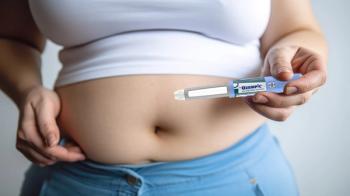
Although GLP-1 receptor agonists have shown promise in promoting weight loss, they are prescription medications and should be used under the guidance of health care professionals.

Although findings indicate a relationship between vitamin D and mood disorders, further research is needed to clarify efficacy of specific vitamin D levels, as well as supplement dose and form.

Although it has some daunting adverse effects, Glenn Short, PhD, said ibogaine offers unique biological and therapeutic effects.

SSRI treatment for postnatal depression brought long-term benefits for mothers and their offspring in the following years after childbirth, study findings showed.

When children got less than the recommended 9 hours of sleep or took more than 30 minutes to fall asleep, there was a strong link to impulsive behaviors later in life.
Advertisement
Advertisement