

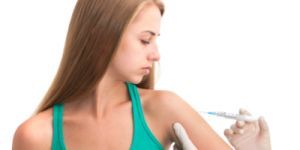



















































































































A new study out of the Mailman School of Public Health and Columbia University Medical Center has found that text message reminders increase the chances that children will receive their second dose of the influenza vaccine.
A new study out of the Mailman School of Public Health and Columbia University Medical Center has found that text message reminders increase the chances that children will receive their second dose of the influenza vaccine.

Long-term care residents benefit more from the high-dose flu vaccine than the regular flu shot.

Flu activity tends to peak in January or later and can sometimes go into May, so it's not too late for individuals to protect themselves by getting vaccinated.
The FDA today approved the human papillomavirus 9-valent vaccine recombinant for the prevention of 5 more types of HPV than the previously approved Gardasil.
In light of new data that shows the 2014-2015 flu season could be severe, the US Centers for Disease Control and Prevention is urging immediate influenza vaccination for all unvaccinated individuals, as well as prompt antiviral drug treatment for those who develop flu and have a high risk of complications.
In support of National Influenza Vaccination Week, Rite Aid is reducing the price of flu shots by $5 to encourage people who have not yet received their annual flu shot to get vaccinated. From now through December 13, flu shots will be available from Rite Aid certified immunizing pharmacists at Rite Aid pharmacies nationwide at a reduced price of only $26.99*, subject to state regulations. Flu shots are covered by most insurance plans, including Medicare Part B.

A powdered measles vaccine delivered by a puff of air triggered no adverse side effects during early human testing, and future clinical trials will likely establish its efficacy.

The first and only FDA-approved vaccine for active immunization to prevent invasive serogroup B meningococcal disease in patients aged 10 to 25 years is now available for order by retail pharmacies.
Thanks to Participating Mutual Member Pharmacies, Over 2700 Vaccines will be donated to children in Haiti for the month of October 2014.
The World Health Organization is criticizing the drug industry for delaying the development of an Ebola vaccine.
The FDA has expanded its approval of Protein Sciences Corp's Flublok influenza vaccine to cover patients aged 50 years and older, thus permitting its use in all adults.

One of the most crucial roles in the fight to stop the spread of Ebola may be played by a mouse.
The FDA today approved the first vaccine licensed in the United States to prevent invasive serogroup B meningococcal disease in patients aged 10 to 25 years.
Tracking influenza vaccination among health care personnel through an automated system enhances their immunization compliance while reducing their administrative burden.
The FDA is reviewing a Biologics License Application for the first pediatric combination vaccine designed to help protect against 6 diseases.
The US Centers for Disease Control and Prevention uncovered clusters of high vaccination exemption at the local level, which leaves communities vulnerable to vaccine-preventable diseases.
The vaccine that prevents illness and death from pneumococcal infection also combats severe antibiotic-resistant disease in young children.

World Health Organization officials are stressing that clinical trials on Ebola vaccine candidates need to be expedited.
Parents who know about the human papillomavirus are not more likely to get their adolescent daughters vaccinated.
In many cases, children between the ages of 6 months and 8 years should receive 2 doses of the influenza vaccine separated by a minimum of 4 weeks.
Officials from the US Centers for Disease Control and Prevention are urging all Americans aged 6 months and older to receive flu shots for the impending influenza season.

Pregnant women exhibit a more powerful immune response to influenza, but only half are currently vaccinated.