








































































Clean needle programs have reduced HIV incidence among injection drug abusers by 80% from 1990 to 2006.
Clean needle programs have reduced HIV incidence among injection drug abusers by 80% from 1990 to 2006.
Higher number of unprotected sexual encounters correlates with enhanced cell expressions.
Likelihood of co-infection linked closely to intravenous drug use more often than risky sexual activities in patients with HIV and hepatitis C.
Micronutrient deficiencies in patients with HIV causes high prevalence of anemia and inflammation.

The $750 per pill price of pyrimethamine could soon be undercut by a new compound selling for $1 per pill.
How pharmacists can have a positive impact on the treatment of patients with HIV.

As today is World AIDS Day, pharmacists across the globe may be renewing their interest in quashing HIV infection and providing support for infected patients.

To mark World AIDS Day, the Bristol-Myers Squibb Foundation today announced 16 grants totaling $3.5 million for programs in Africa that strengthen HIV services for adolescents and the elderly.

When the virus enters the nervous system it can affect attention, memory, and language.

Chlamydia, gonorrhea, and syphilis are on the rise for the first time since 2006, according to the US Centers for Disease Control and Prevention.

In intravenous drug users, macrophages are among the first cells infected by HIV.
Patients treated with HIV therapy less likely to get infected with HBV.
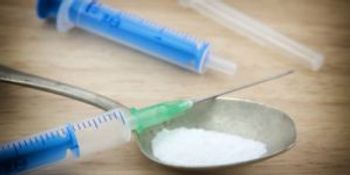
In addition to facing the risk of fatal overdose, kidney disease, and pneumonia, heroin users also have a greater likelihood of acquiring HIV.
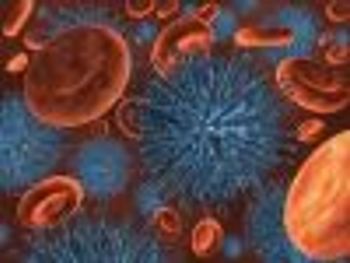
Patients treated with HIV therapy less likely to get infected with HBV.

Antiretroviral drug interactions now included due to high prevalence of HIV coinfection among patients with hepatitis C virus.
Specific vaccine-induced immune responses correlate with reduced HIV infection.
Study finds many silver plans have higher out-of-pocket costs for most the commonly prescribed HIV treatments.

HIV drug Tenofovir may carry a risk of nephrotoxicity.
Inspired by her volunteer work at an AIDS foundation, a pharmacy student investigates HIV PEP therapy across 3 continents.
Nanoforumulated protease inhibitor protects HIV drug from being degraded by the liver and removed by the kidney.

Database supports HIV research by increasing sample power and decreasing study biases.

Rectal microbicide formulated as an enema may inhibit the spread of HIV and other sexually transmitted infections.
HIV-1-associated neurocognitive disorders afflict almost half of all patients with HIV.
Gilead's Genvoya is the first TAF-based regimen approved by the FDA.

Guidance addresses the development of clinical trials to test novel antiretroviral drugs for the treatment of HIV.