






























































































In a session at the 2012 Academy of Managed Care Pharmacy Educational Conference, Aimee Tharaldson, PharmD, identified the top specialty drugs in the pipeline and highlighted the most recent therapeutic trends within each medication class.
In a session at the 2012 Academy of Managed Care Pharmacy Educational Conference, Aimee Tharaldson, PharmD, identified the top specialty drugs in the pipeline and highlighted the most recent therapeutic trends within each medication class.

A free source of evidence-based information for health care professionals and for researchers studying liver injury associated with prescription and over-the-counter drugs, herbals, and dietary supplements is now available from the National Institutes of Health.

Health care professionals are sometimes a part of the drug diversion and abuse problem.
An analysis of the top 200 drugs by prescriptions dispensed and total sales reveals key trends in today's pharmaceutical market.

The FDA recently approved the first DNA test to help health care professionals gauge the progress of antiviral treatment in solid organ transplant patients undergoing cytomegalovirus (CMV) antiviral therapy.

A recent FDA study determined that current nucleic acid testing (NAT) of the plasma of donated blood is adequate for the detection of the hepatitis C virus (HCV).

Testing baby boomers could help identify more than 800,000 new cases of hepatitis C and address the largely preventable consequences of the condition.

Testing this sample of the population could help identify more than 800,000 new cases of hepatitis C and address the largely preventable consequences of the condition.

New triple-therapy regimens for hepatitis C are expensive, but they can be cost-effective for many patients.

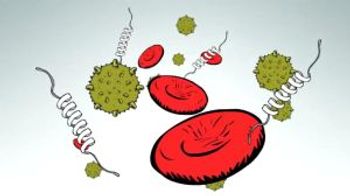
Could treatment for hepatitis C viral infection become an all-oral supplement?
Organs and tissue donated by a Kentucky man infected with the hepatitis C virus causes disease transmission to multiple organ recipients.
The Department of Health and Human Services action plan calls for better strategies and methods of treating and diagnosing viral hepatitis.
With an all-oral combination therapy and a hepatitis C vaccine on the horizon, pharmacists and patients will soon have new resources against this prevalent infection.
The FDA sent out a "Drug Safety Communication" from their Division of Drug Information on February 9, 2012, listing the important new drug interactions between Victrelis (boceprevir) and ritonavir-boosted HIV protease inhibitor drugs.
New guidelines for the human papillomavirus and hepatitis B vaccines impact young boys and elderly patients with diabetes.
Adherence for targeted therapies is even more essential now than it ever has been. This case study of services offered at a specialty pharmacy illustrates the impact of hepatitis C patients.
Pharmacies in the community setting have led the way in patient compliance, but have been largely ignored by MCOs and the pharmaceutical industry.

Findings from a new study point to the need for interventions to help patients take medications properly and manage their disease more effectively.