






Hepatitis/MASH
Latest News
Advertisement
Latest Videos








Advertisement
More News

Biosimilars are also expanding rapidly, offering new opportunities for payers, patients, and providers.

Any living person with HIV should be screened for hepatitis B and C upon diagnosis, with annual screenings recommended for those with additional risk factors.

Currently, APHA has a policy on its books that opposes both drug legalization and decriminalization.

Atea’s drug candidate is considered safe and effective against the viruses that cause COVID-19 and hepatitis C, according to new data presented at ICAR 2023.

Prior to the development of vaccines and direct-acting antivirals, hepatitis infections were treated through methods of prevention.
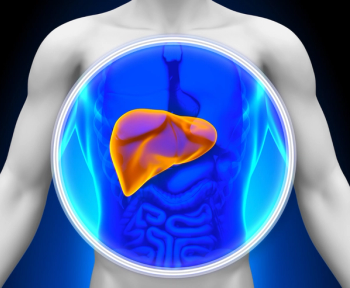
Overall survival data were immature at the time of interim analysis and follow-up will continue to the next analysis.
Individuals with higher caffeine levels were less likely to have liver fibrosis, while higher levels of non-caffeine coffee components were associated with reduced fatty liver index scores.

Data are based on tests using low-cost, simple blood tests for helping decide which individuals with the disease need treatment.

Distinguishing between atypical hepatocellular carcinomas and intrahepatic cholangiocarcinoma can be difficult, but researchers identified several reliable MRI features to assist in differentiation.

Study finds a strong decline in hepatitis C incidence in the years immediately following broad access to direct-acting antiviral drugs.
While the use of direct-acting antiviral treatment for hepatitis C virus increased from 2014 to 2018, treatment rates have declined since 2019 and remain suboptimal.
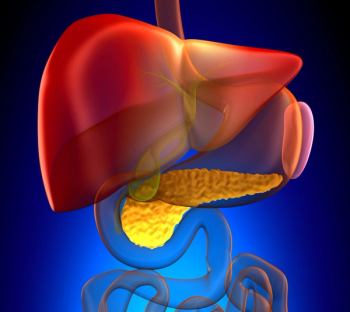
It remains a challenge to understand how to stratify risk of liver diseases before they have reached the advanced stage.

Tenofovir alafenamide (Vemlidy; Gilead Science) approved for the treatment of chronic hepatitis B virus infection in pediatric patients aged 12 years and older with compensated liver disease.

Implementing screening tools, conducting brief interventions, and involving pharmacists can help manage alcohol use disorder and Alcohol Withdrawal Syndrome.

Data suggest that few US adults are aware that wine can increase the risk of cancer.
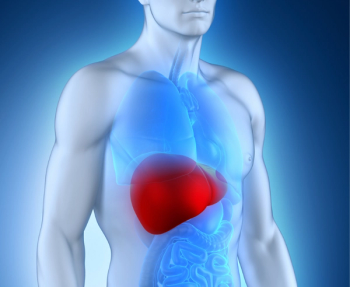
Bepirovirsen produced sustained clearance of hepatitis B virus and hepatitis B surface antigens.
Direct-acting antivirals have high efficacy for hepatitis C, however, patients with advanced liver scarring are at risk for the development of secondary diseases.
The most common cause of death for patients with non-alcoholic fatty liver disease is cardiovascular disease, but it also increases the risk of hepatocellular carcinoma and may surpass hepatitis B and C as the leading cause of this cancer.

Although fentanyl is potent and often deadly, it is not passively absorbed into the bloodstream.
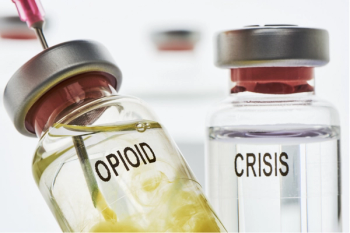
Beth Macy, author of New York Times-bestselling book Dopesick and executive producer and writer on the Hulu series “Dopesick,” explains how FDA-approved drugs that treat opioid use disorder still aren’t getting into the hands of patients who need it most.

WHO has released a global plan for hepatitis B elimination by 2030, including goals to increase pediatric and maternal immunization and to improve screening and treatment.
Tenofovir alafenamide is a nucleoside analog reverse transcriptase inhibitor specifically indicated to treat HBV in adults with compensated liver disease.

The approval includes a novel dose and schedule of the combination, with a single dose of both drugs followed by durvalumab every 4 weeks in patients with unresectable hepatocellular carcinoma.

An ASCP 2022 session presenter explains some recent updates on vaccination guidance for the older adult population.

Males are more likely to suffer from the sexual dimorphism of hepatitis B infection, suggesting that sex hormones have a role in complication risk.
Advertisement
Advertisement
Trending on Pharmacy Times
1
Flu Vaccination Linked to Fewer Severe Outcomes in Older Adults, Fewer ED Visits in Children
2
CKM Syndrome Stage Linked to CKD Odds, But Primary Care Hurdles Remain
3
FDA Approves Bepirovirsen, First ASO for Chronic Hepatitis B
4
FDA Approves Awiqli, Once-Weekly Insulin, for Children Aged 10 Years and Older With T2D
5