






Future of Pharmacy
Latest News
Advertisement
Latest Videos






























































































Advertisement
More News

Peer Reviewed
Student pharmacists should use practical tips to responsibly use artificial intelligence tools for studying, clinical simulations, exam preparation, and time management while ensuring ethical and effective usage.

Martha Thorne discusses the operational, financial, and patient care challenges pharmacies face under the 340B rebate pilot and the need for advocacy, automation, and transparency to sustain access.

For American Pharmacists Month, see how recent instances of conflicting medical advice show the importance of pharmacists as trustworthy health care professionals.

In an announcement at the White House, Pfizer said it will reduce drug prices in the United States to match those of other countries.

In a recent study, machine learning demonstrated its ability to predict progression to end-stage renal disease among patients with chronic kidney disease (CKD).

Pharmacists face challenges as recent federal policy changes threaten their expanded roles in vaccination and public health, impacting patient access to care.

Don’t be asleep at the wheel. AI is coming, and it’s coming fast.
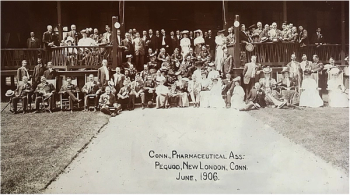
This milestone celebration not only honors CPA’s legacy but also underscores the profession’s future—one defined by collaboration, innovation, and a steadfast commitment to patient care.

Drug shortages challenge US health care, driven by systemic issues like low pricing and manufacturing concentration, impacting patient care and safety.
Christopher Lis, senior director at JD Power, shared key insights about the report and what the pharmacy landscape currently looks like.

Virtual health care enhances patient experiences, integrates complex data, and ensures medication access through provider-pharmacist collaboration.

In pharmacy, this model encourages taking responsibility and the open reporting of errors and near-misses without fear of punishment.

The JD Power 2025 US Pharmacy Study reveals rising satisfaction with mail-order pharmacies and supermarkets, driving a shift in prescription fulfillment preferences.

The bill promises lower drug costs and greater innovation, but critics still have concerns.

Brad Cochran of Cardinal Health explains the One Voice Initiative, which aims to bolster independent pharmacies.

AI is transforming oncology by enhancing clinical trials, personalizing treatments, and improving pharmacy practices, promising faster, more precise cancer care.
Lawmakers across the country can learn from examples in states like Arkansas and Texas.


Expert explores the expanding role of FDA-approved Prescription Digital Therapeutics (PDTs).


New executive orders and legislation aim to lower prescription drug costs and enhance access to pharmacist services for seniors across the US.
Yes. But that doesn’t tell the whole story.

We should begin to refer to these pharmacists in direct-to-career paths accordingly as “primary care pharmacists.”

A novel solution can strategically control the release of the drug in vivo.

Pharmacists lead the charge in implementing advanced therapeutics, navigating complex challenges and shaping the future of health care innovation.
Advertisement
Advertisement
Trending on Pharmacy Times
1
Beyond Cost Avoidance: Advancing Unit-Level Pharmaceutical Economics in Health Systems
2
Pharmacist Care Gets BP Patients to Goal Faster, Safer
3
Higher Pulmonary Microplastic Burden Observed in Patients With Lung Cancer
4
How Pharmacists Overcome PCSK9 Inhibitor Access Barriers
5