






The designation was granted after positive results from the phase 1 STOMP-I clinical trial (NCT01915927).
The designation was granted after positive results from the phase 1 STOMP-I clinical trial (NCT01915927).

New data from the longest known trial of pediatrics and adolescents in the postacute phase of COVID-19 show they are at a heightened risk of gastrointestinal tract symptoms.

The authors are optimistic that these findings may help develop defenses to prevent food allergies in at-risk infants.

The authors are optimistic that this method can be replicated to identify other allergens that manifest into eosinophilic esophagitis (EoE).

BR55, an injection of perfluorobutane/nitrogen lipopeptide-coated microbubbles, could aid in the detection of angiogenesis and allow for earlier diagnosis in patients with Crohn disease.

The decision offers patients with antimicrobial resistance, who have limited or no treatment options, a new alternative.

This is mirikizumab’s second FDA-approved indication in inflammatory bowel disease.

The tablets are indicated for treatment of adults with chronic idiopathic constipation, with further research needed to assess efficacy and safety in children.

The medication, glepaglutide, is in development for the treatment of adults with short bowel syndrome with intestinal failure who are dependent on parenteral support.
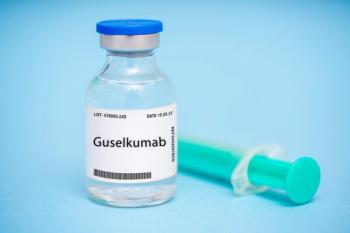
Recently announced trial results demonstrate the efficacy of the biologic in multiple disease indications.

The risk of developing lymphoma remained nearly the same between patients with Crohn disease and ulcerative colitis.

Pharmacists will likely be the first contact for many affected patients, and they should be able to provide evidence-based advice on how to manage their infection.

The FDA previously accepted the biologic license application for CT-P13 as a subcutaneous formulation.

Currently, the CDC recommends the recombinant zoster vaccine (Shingrix, RZV; GSK) for the prevention of herpes zoster and related complications.

Although psychotherapy is the cornerstone, nutritional education and pharmacotherapies can also help patients recover

Eosinophilic granulomatosis with polyangiitis is a rare and immune-mediate vasculitis that can damage multiple organs and be fatal if left untreated.

Investigators obtained real-world evidence to evaluate the clinical outcomes of non-medical switching from the infliximab (Remicade; Janssen Immunology) to a biosimilar.

Guselkumab (Tremfya; Johnson & Johnson) is the first and only approved fully human and dual-acting monoclonal antibody blocking interleukin-23 and binding to CD64 receptors.

Chronic fatigue is a related symptom with inflammatory bowel disease (IBD).

Although small intestinal bacterial overgrowth (SIBO) and irritable bowel syndrome (IBS) share many of the same symptoms, SIBO affects the small intestine and IBS affects the large intestine.

Inflammatory conditions such as celiac disease can require care consideration and monitoring to manage iron deficiency

The primary end point of clinical remission at week 26 was met, with 36.7% of individuals treated with RHB-104 achieving clinical remission.

A large portion of the population of patients in the United States with GERD have the non-erosive type of the disease.

Unique gut flora were found in children with autism spectrum disorder (ASD).

Mirikizumab met both co-primary end points and all secondary end points at week 52, according to results presented at Digestive Disease Week in Washington DC.